
Château de Fontainebleau and Forest: What to Expect on a Day Trip from Paris

A Renaissance royal château with gardens, a carp pond and a vast forest, 40 minutes from Paris by train.
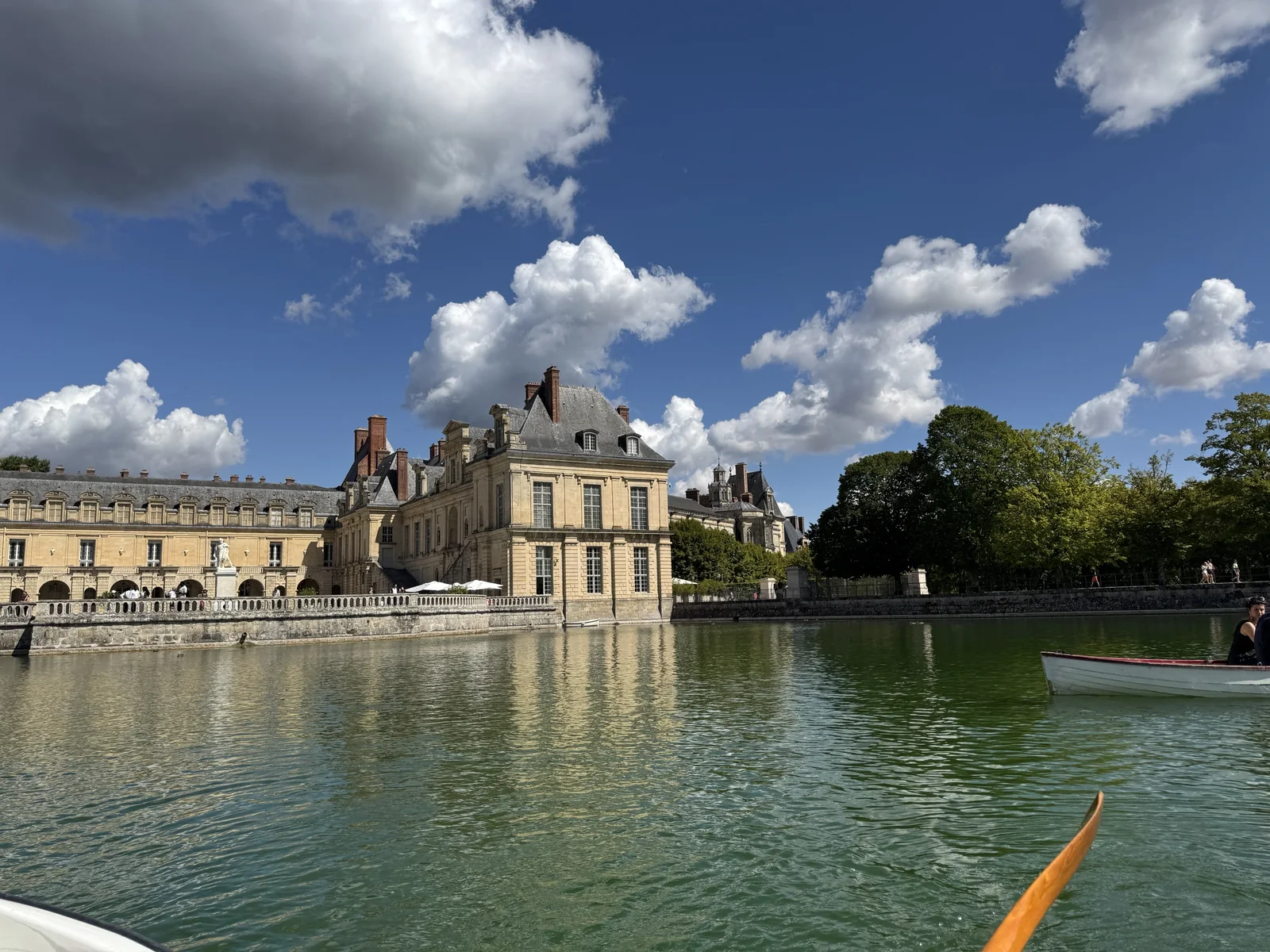
Château de Fontainebleau and its pond seen from a boat, with a rowing boat on the water under a blue sky
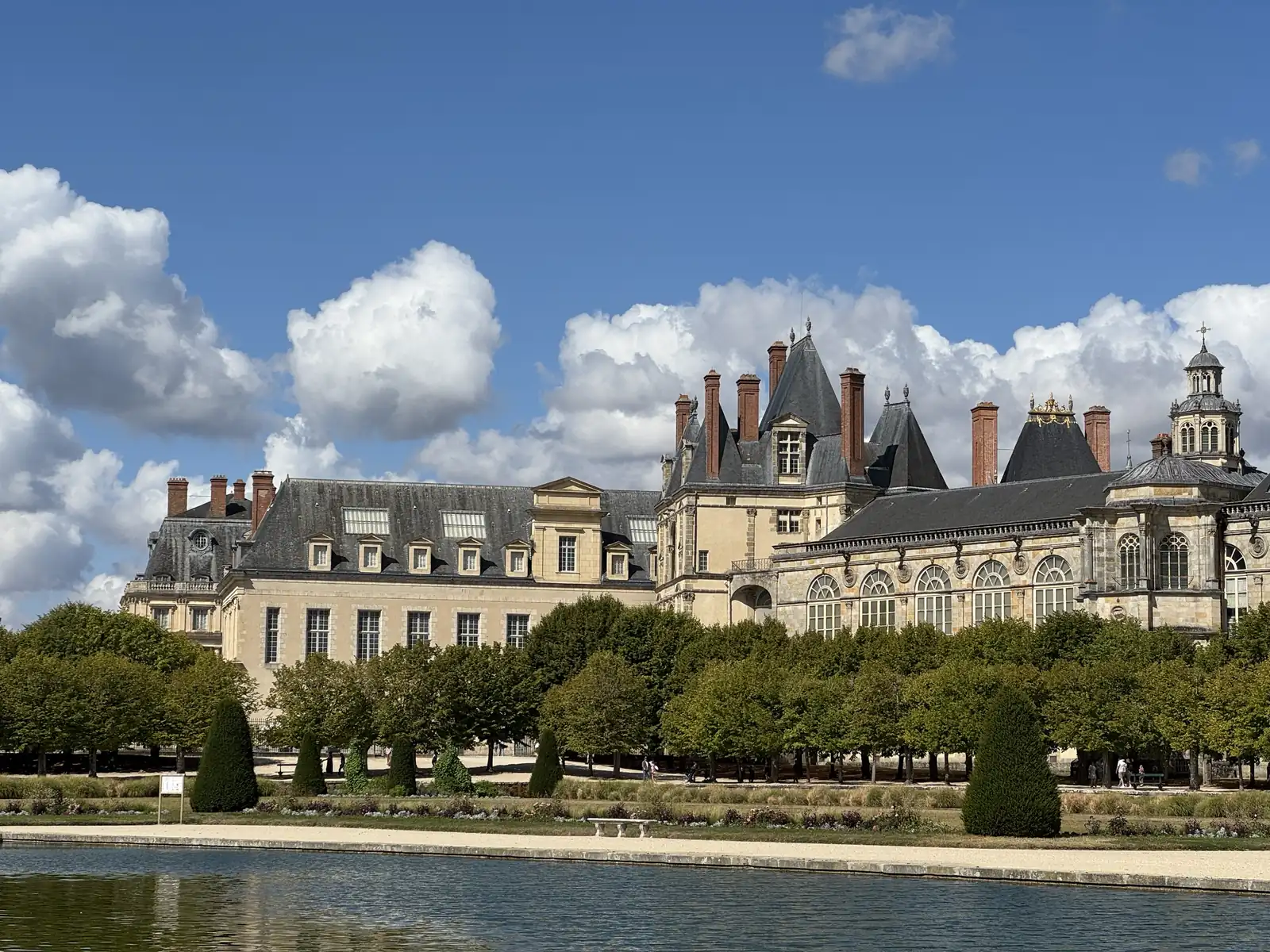
Rooftops and chimneys of the Château de Fontainebleau behind clipped trees, with a bench by the pond
Staircase leading to the entrance of the Château de Fontainebleau

Smart Tips Before You Go

Prepare for a smooth and enjoyable experience

Getting There

Train from Gare de Lyon to Fontainebleau-Avon, about 40 minutes.

Closed Tuesdays

Also closed 1 January, 1 May and 25 December.

Allow Time

Plan about two hours for the château alone.

Free Gardens

The park and gardens are free to enter.

Free Entry

Under 18s and EU residents under 26 enter free.

Forest Walks

Wear sturdy shoes for sandy forest trails.

Work Schedule

Wednesday – Monday, April – September9:30 a.m. – 6:00 p.m.

Wednesday – Monday, October – March9:30 a.m. – 5:00 p.m.

TuesdayClosed

1 January, 1 May and 25 DecemberClosed

Last entry is at 5:15 p.m. from April to September and 4:15 p.m. from October to March. Courtyards and gardens open at 9:00 a.m. and close between 5:00 p.m. (winter) and 7:00 p.m. (summer); the park is open around the clock. The château is closed on Tuesdays, but it can open on some public holidays, so check the official website before you go.

Quick Tips

Best Visit Times: Arrive at opening (9:30 a.m.) on a weekday; the first Sunday of the month is free but busy.

Suggested Duration: Allow about 2 hours inside the château, a half day with the gardens, a full day with the forest.

Don’t Miss: The Gallery of Francis I, the Gallery of Diana, the horseshoe staircase, the Napoleon I museum and the Carp Pond.

Ticket Options: General admission €17 for the Grands Appartements, with the Napoleon I museum on a date of your choice; book online to skip the queue.

Audio Guide: The video guide costs €4 and comes in 11 languages.

Forest Walks: The Fontainebleau Forest is free and open every day. Some burnt areas around Trois Pignons are closed, so stay on marked trails and never light fires.

On-site Amenities

Restaurant open daily for lunch

Restrooms and cloakroom

Gift shop

Accessible with assistance

Parking nearby
Price

Full price

€17

Free admissions

Audio guide:

Video guide available in 11 languages, €4

You’ll be redirected to our official ticketing partner

Plan Your Paris Trip in 60 Seconds!

Get a personalized itinerary created by locals in 60 seconds. We'll tell you the best time to visit, hidden viewpoints, and how to avoid crowds.

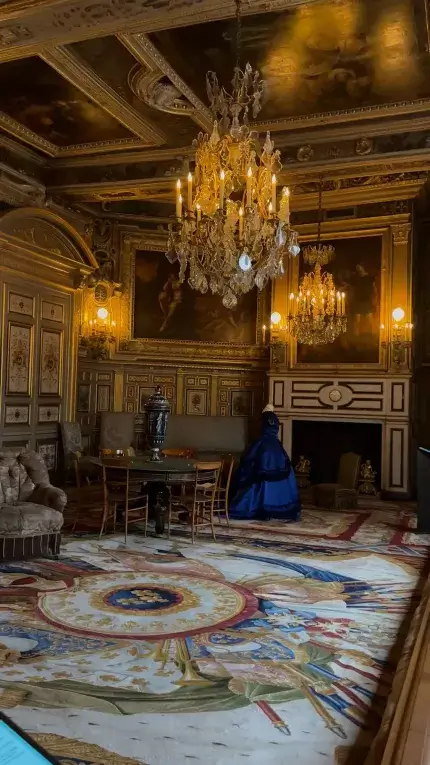
Interior view of a beautiful room at Fontainebleau with elegant lighting

History

Discover how this historic landmark evolved over centuries

Fontainebleau began as a royal hunting lodge in the forest and grew into one of France’s grandest residences. From 1528, Francis I rebuilt it and brought in Italian artists Rosso Fiorentino and Francesco Primaticcio, who decorated the Gallery of Francis I, a landmark of the French Renaissance. Nearly every ruler left a mark: Henry IV added courtyards, Louis XIII the famous horseshoe staircase, and Marie-Antoinette her private boudoir. Napoleon, who called it the true home of kings, restored the château after the Revolution, held Pope Pius VII here and bid farewell to his Guard in the courtyard in 1814. Empress Eugénie later created a Chinese museum, and Napoleon III added a theatre. Today the château sits beside formal gardens, a carp pond and the vast forest, and has been a UNESCO World Heritage Site since 1981.

How to get there

Address

Place du Général de Gaulle, 77300 Fontainebleau

How to get to the Château de Fontainebleau: Transilien R at Fontainebleau-Avon station, then bus 1 to the Château stop.