Search to Discover Top Places in Paris
Explore Attractions for Tag: culture & history
Notre-Dame de Paris: What to Expect Inside the Reborn Cathedral
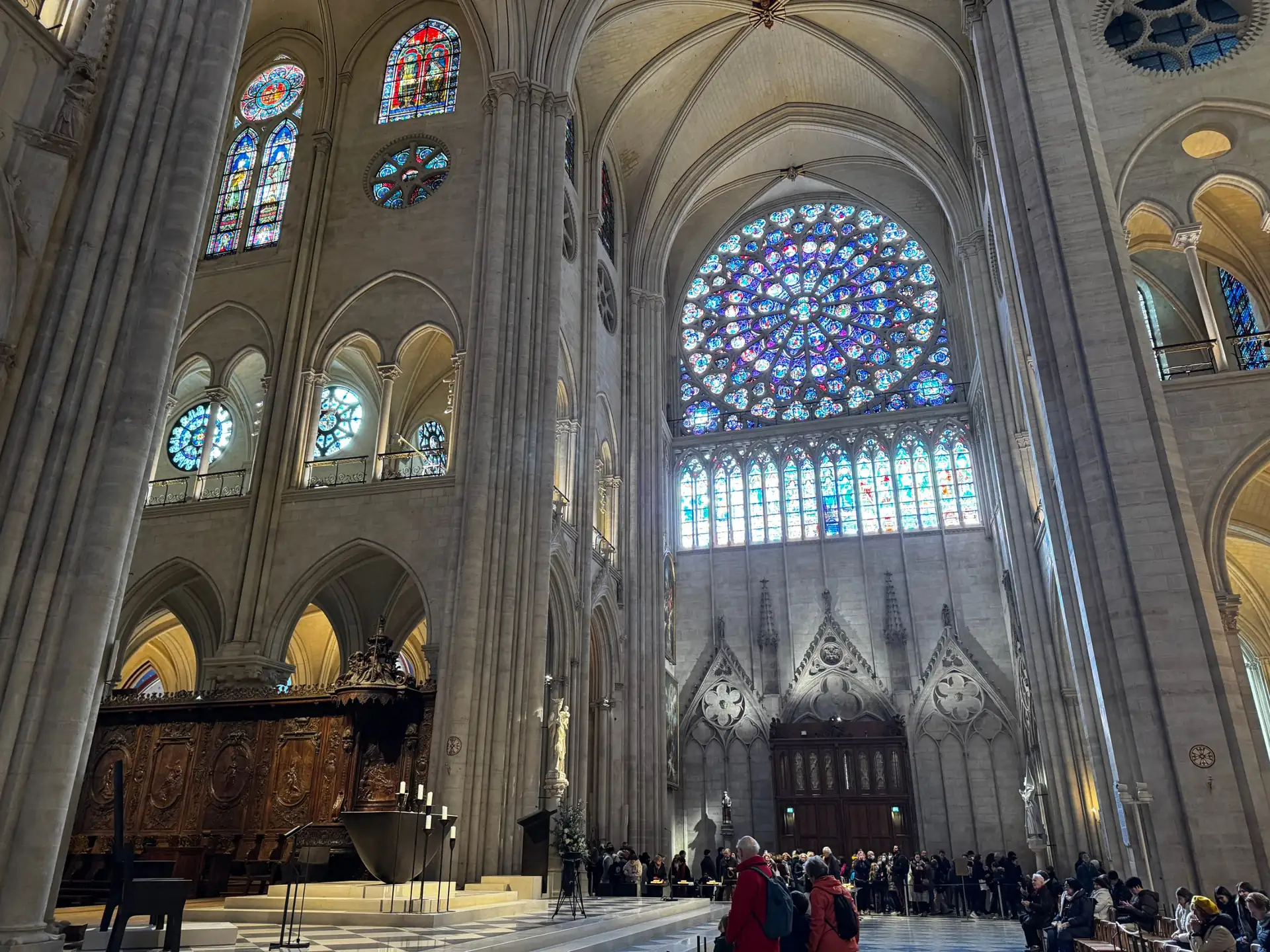
Notre-Dame de Paris rises on the Île de la Cité, the island where Paris was born. Bishop Maurice de Sully launched its construction in 1163, and over nearly two centuries masons, sculptors and glaziers shaped a model of French Gothic: flying buttresses, a carved western façade and three great rose windows. Kings prayed and married here, Napoleon crowned himself emperor in 1804, and Victor Hugo’s 1831 novel rescued the neglected building by turning the whole country’s attention to it. Architects Lassus and Viollet-le-Duc restored it in the 19th century and added the famous spire. On 15 April 2019 a fire destroyed the roof and spire, yet most of the stone vaults held. After five years of work by about 2,000 craftspeople, the cathedral reopened on 7 December 2024 and welcomed some 11 million visitors in its first year.
Château de Fontainebleau and Forest: What to Expect on a Day Trip from Paris
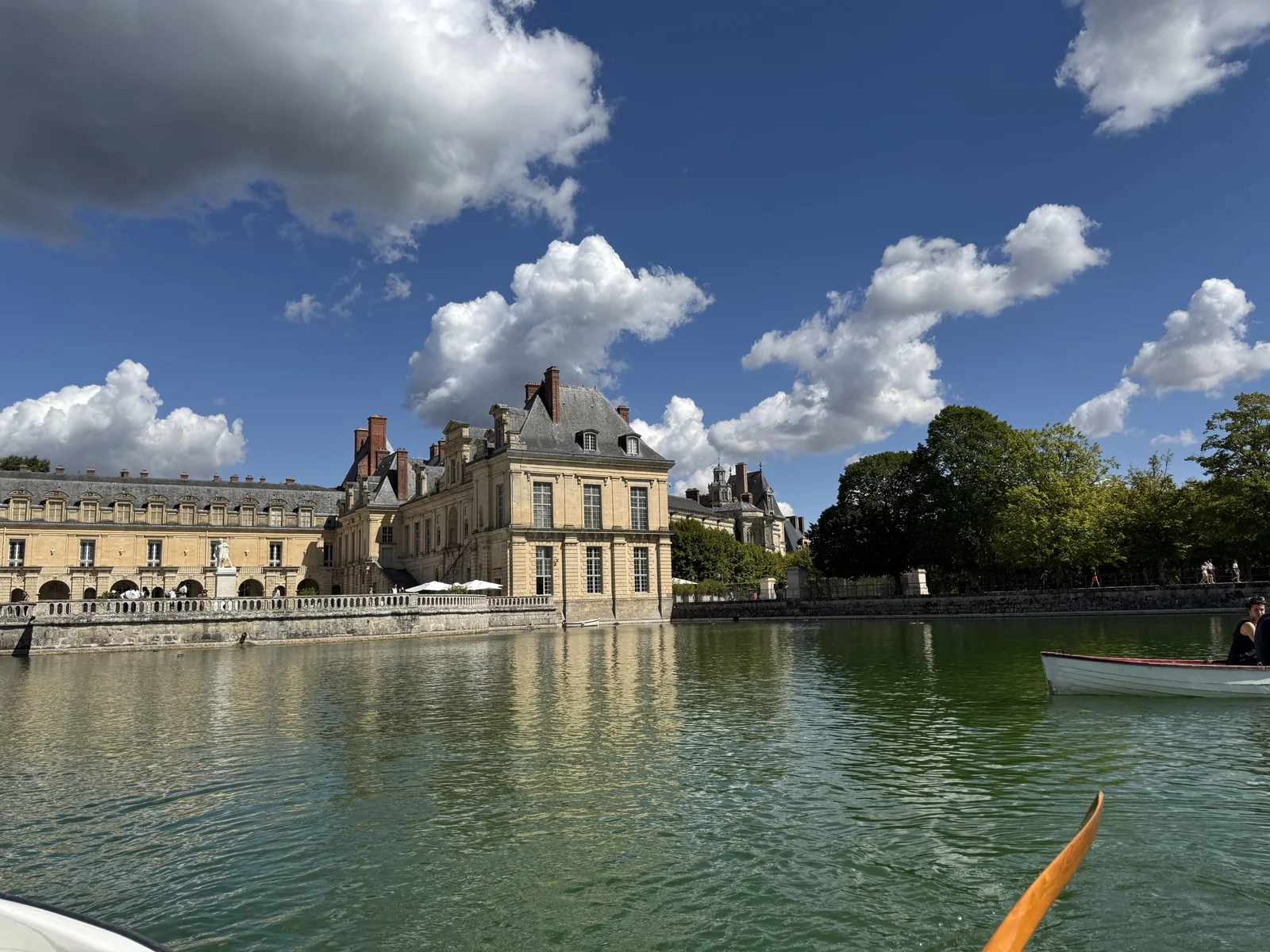
Fontainebleau began as a royal hunting lodge in the forest and grew into one of France’s grandest residences. From 1528, Francis I rebuilt it and brought in Italian artists Rosso Fiorentino and Francesco Primaticcio, who decorated the Gallery of Francis I, a landmark of the French Renaissance. Nearly every ruler left a mark: Henry IV added courtyards, Louis XIII the famous horseshoe staircase, and Marie-Antoinette her private boudoir. Napoleon, who called it the true home of kings, restored the château after the Revolution, held Pope Pius VII here and bid farewell to his Guard in the courtyard in 1814. Empress Eugénie later created a Chinese museum, and Napoleon III added a theatre. Today the château sits beside formal gardens, a carp pond and the vast forest, and has been a UNESCO World Heritage Site since 1981.
Hôtel de la Marine Paris: What to Expect Inside This Hidden Royal Palace
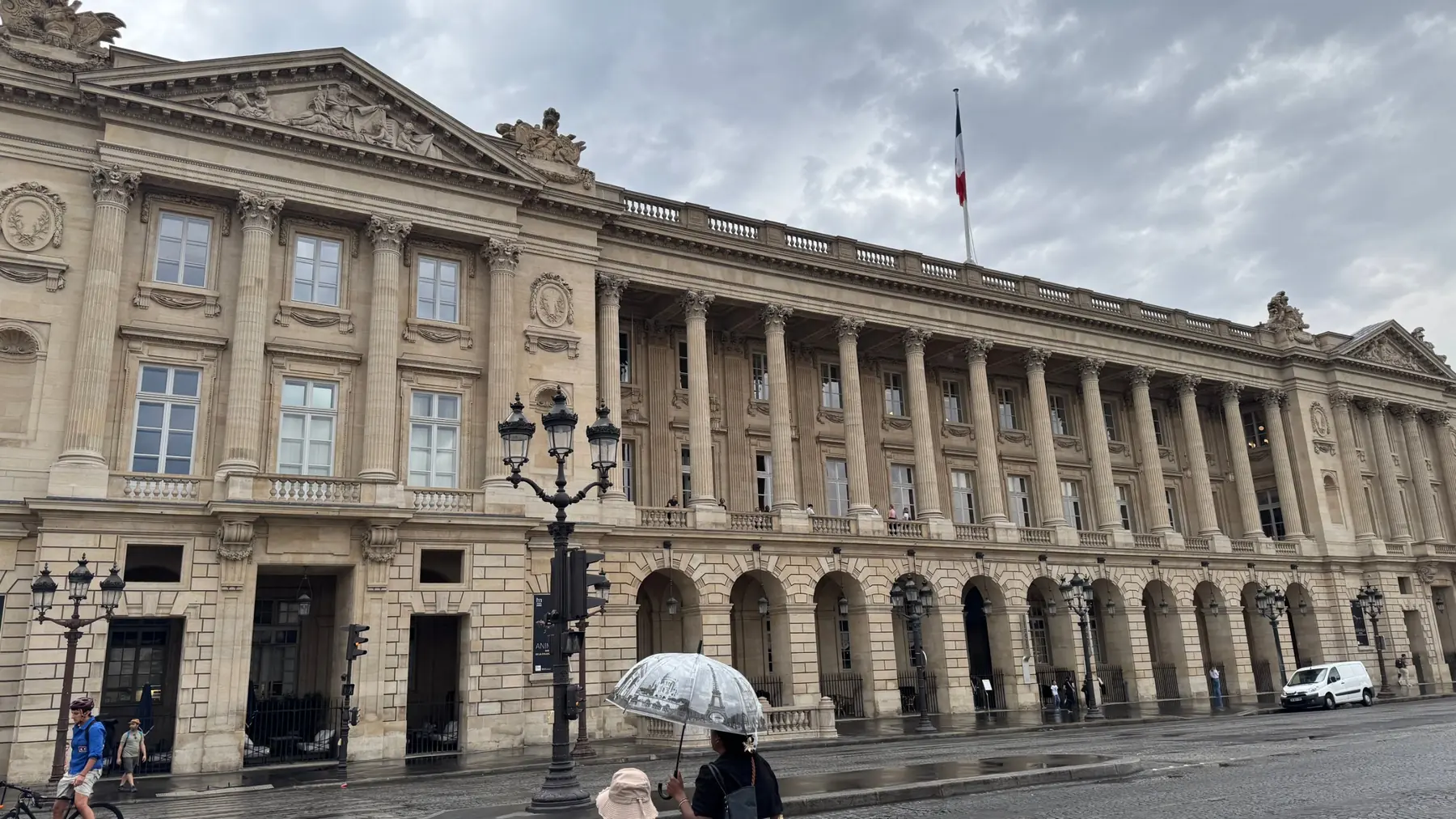
Long before it reopened as one of Paris’s most talked-about museums, the Hôtel de la Marine stood watch over the newly laid-out Place Louis XV — today’s Place de la Concorde — as the royal Garde-Meuble, the storehouse charged with furnishing every residence of the French crown. Cannon seized from its courtyard in July 1789 fired the opening shots at the Bastille, and the crown jewels vanished from its vaults in a brazen 1792 heist. For over two centuries afterward, the building served as the headquarters of the French Navy, witnessing Napoleon’s coronation ball and Nazi occupation during the Second World War. The Navy moved out in 2015, clearing the way for a six-year, €135-million restoration that returned the 18th-century Intendant’s apartments to their original splendor and installed the Al Thani Collection’s rotating trove of decorative art.
Conciergerie de Paris: Marie-Antoinette’s Prison Inside a Medieval Royal Palace
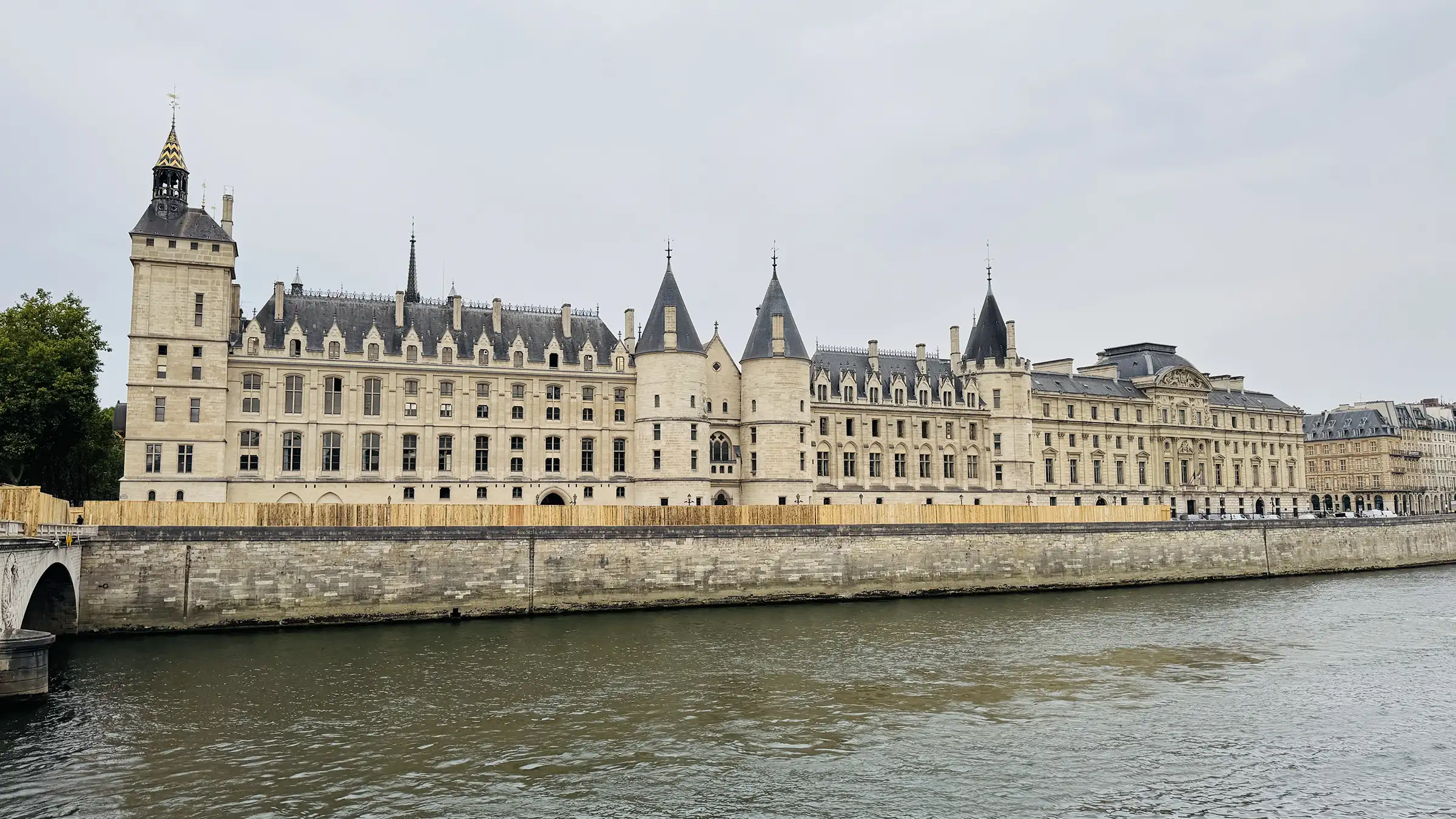
Long before it became one of the French Revolution’s most infamous prisons, the Conciergerie was the beating heart of medieval royal power in Paris. Built as part of the Capetian royal residence on the Île de la Cité, its Gothic halls and soaring Tour de l’Horloge — home to Paris’s oldest public clock — witnessed the transformation of the Palais de la Cité from a king’s home into the seat of French justice. When the Revolutionary Tribunal took over in 1793, the building’s cold stone cells held over 2,700 prisoners condemned to the guillotine, including Queen Marie-Antoinette herself. Today, visitors can walk through the vast medieval Grand’Salle, see a faithful reconstruction of the queen’s final cell, and use an interactive Histopad tablet to picture the palace as it stood eight centuries ago.
Musée des Arts et Métiers: Paris’s Hidden Museum of Inventions
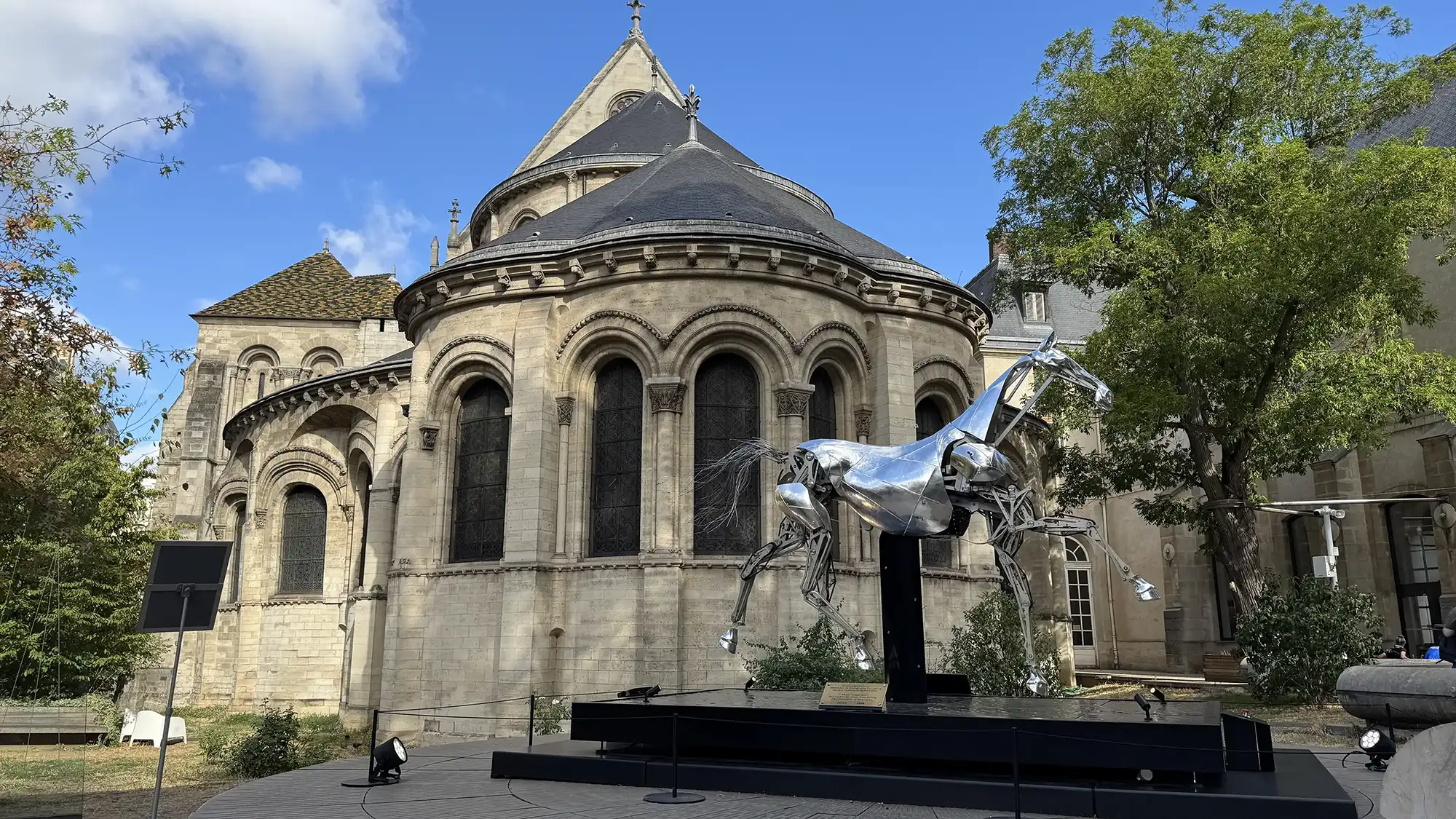
The Musée des Arts et Métiers occupies the former priory of Saint-Martin-des-Champs, a medieval monastery whose church dates back to the 12th century. After the French Revolution the site became home to the Conservatoire national des arts et métiers (Cnam), founded in 1794 to preserve and share scientific and technical knowledge, and the museum opened to visitors in 1802.
Today the collection counts around 80,000 objects, of which roughly 2,500 are on display in Paris. Highlights include Blaise Pascal’s calculating machine, Clément Ader’s Avion III, Louis Blériot’s Blériot XI, Lavoisier’s laboratory instruments and Nicolas Cugnot’s steam-powered « fardier » of 1770.
Grande Mosquée de Paris
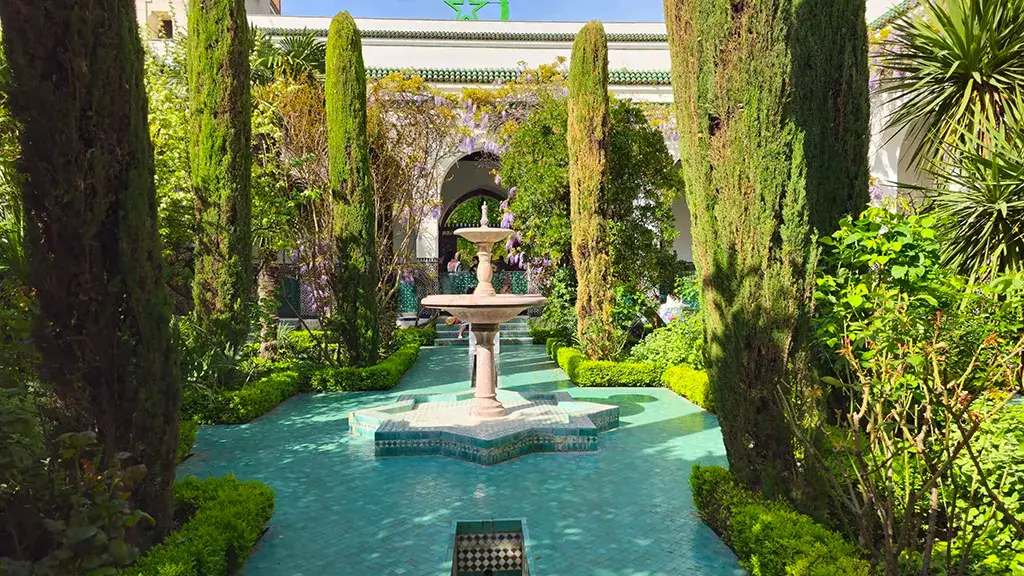
The Grande Mosquée de Paris was built between 1922 and 1926 and officially inaugurated in 1926.
Its construction was commissioned by the French government to honor the approximately 100,000 Muslim soldiers from French colonies who died fighting for France during World War I. At the time, it became one of the first major Islamic monuments built in modern Western Europe.
Musée de la BnF: Discover France’s Historic Library
The Bibliothèque nationale de France (BnF), founded in 1368 under King Charles V, is one of the oldest and most prestigious libraries in the world. The Richelieu site, opened in 1721, served as the historical home of the national collections for manuscripts, prints, maps, and coins.
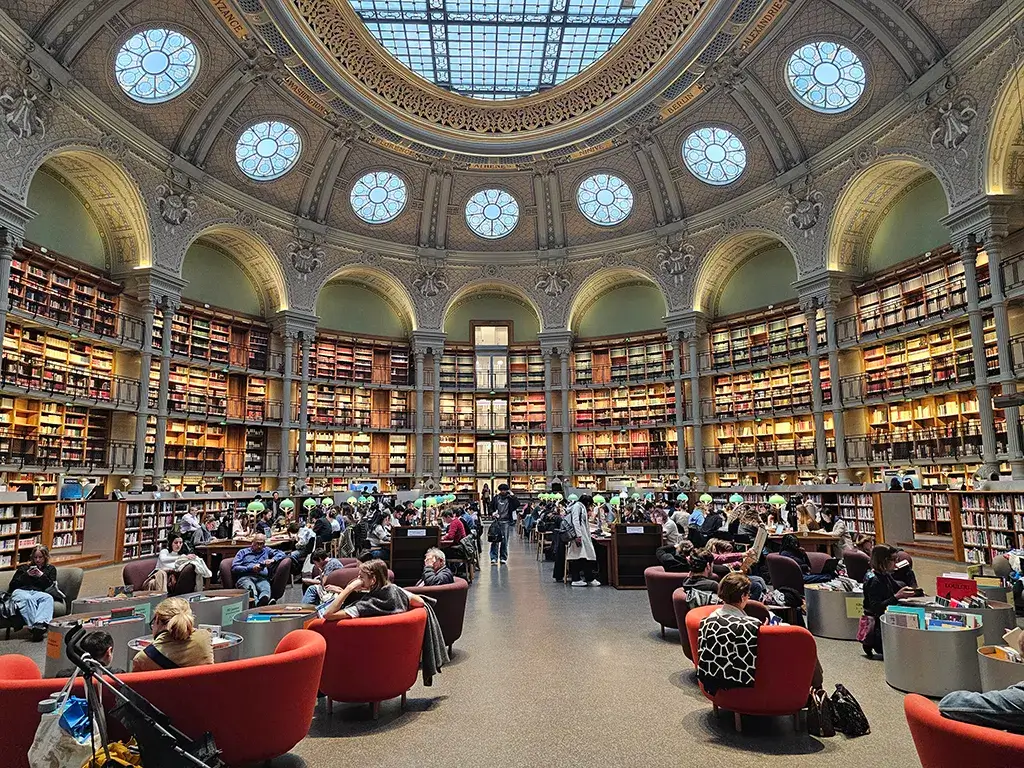
The building’s 19th-century renovation by Henri Labrouste introduced the breathtaking Oval Reading Room, a symbol of French academic architecture. After decades of expansion, a major restoration project (2010–2022) revitalized the site, leading to the reopening of the Musée de la BnF, a museum dedicated to showcasing the nation’s artistic and intellectual treasures.
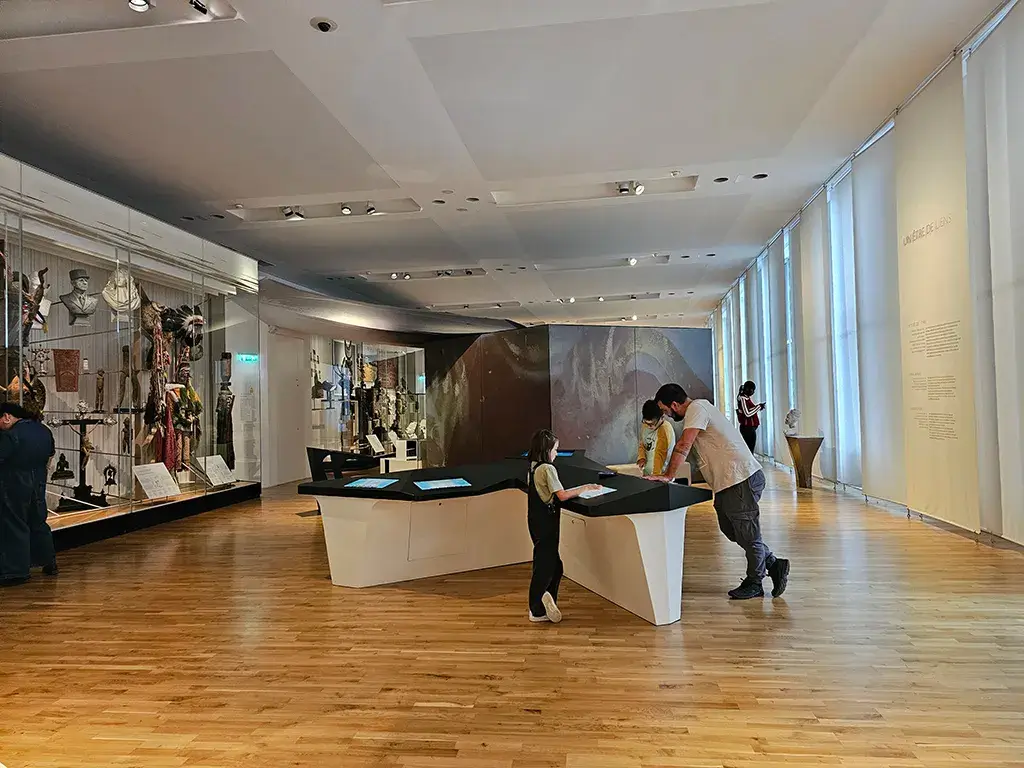
Musée de l’Homme Paris: Explore Human Evolution
Founded in 1937 by the visionary ethnologist Paul Rivet, the Musée de l’Homme was established to showcase humanity’s biological, cultural, and social evolution. It replaced the former Musée d’Ethnographie at the Trocadéro and became a hub for anthropological research. After a major renovation between 2009 and 2015, the museum reopened with a modern, interactive layout that connects visitors to the story of humankind — from prehistoric origins to global cultural diversity.
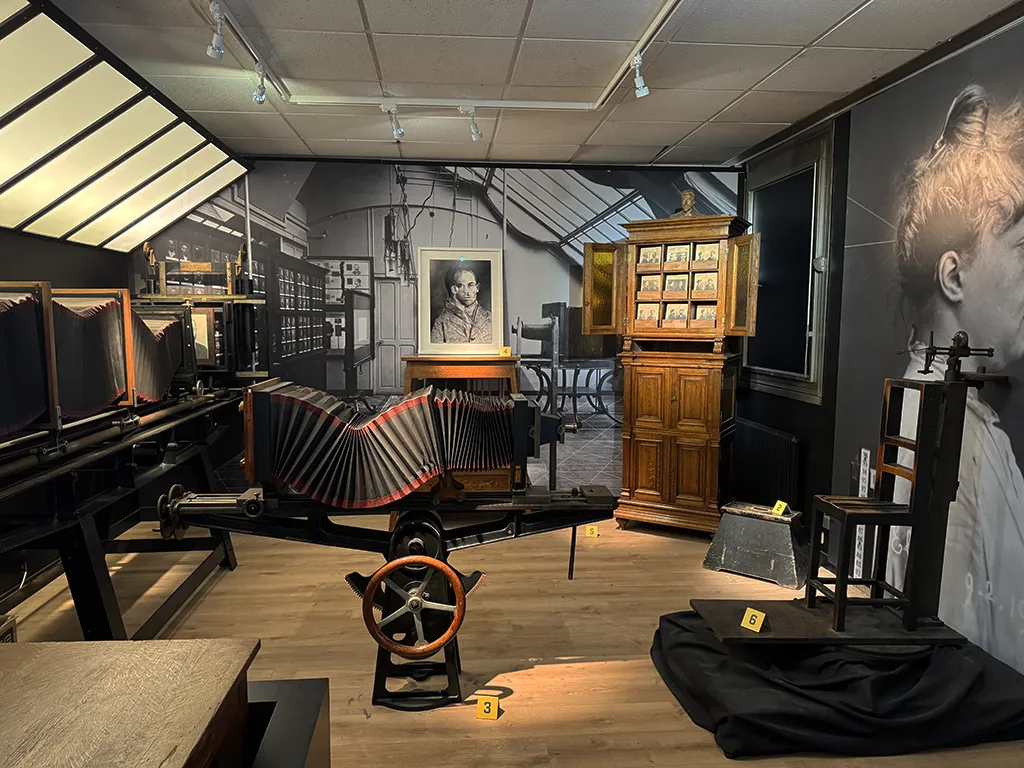
Police Prefecture Museum
The Musée de la Préfecture de Police was founded in 1909 by Police Prefect Louis Lépine, who wanted to create a public archive of the Paris police’s history. The museum traces the evolution of law enforcement, criminal investigations, and famous cases in Paris, from the Middle Ages to modern times. It showcases artifacts such as ancient weapons, police uniforms, forensic tools, and documents from legendary cases like the Affair of Landru and the French Resistance during WWII. Today, the museum is a unique window into the history of crime, order, and justice in the French capital.

Gallery of Mineralogy and Geology
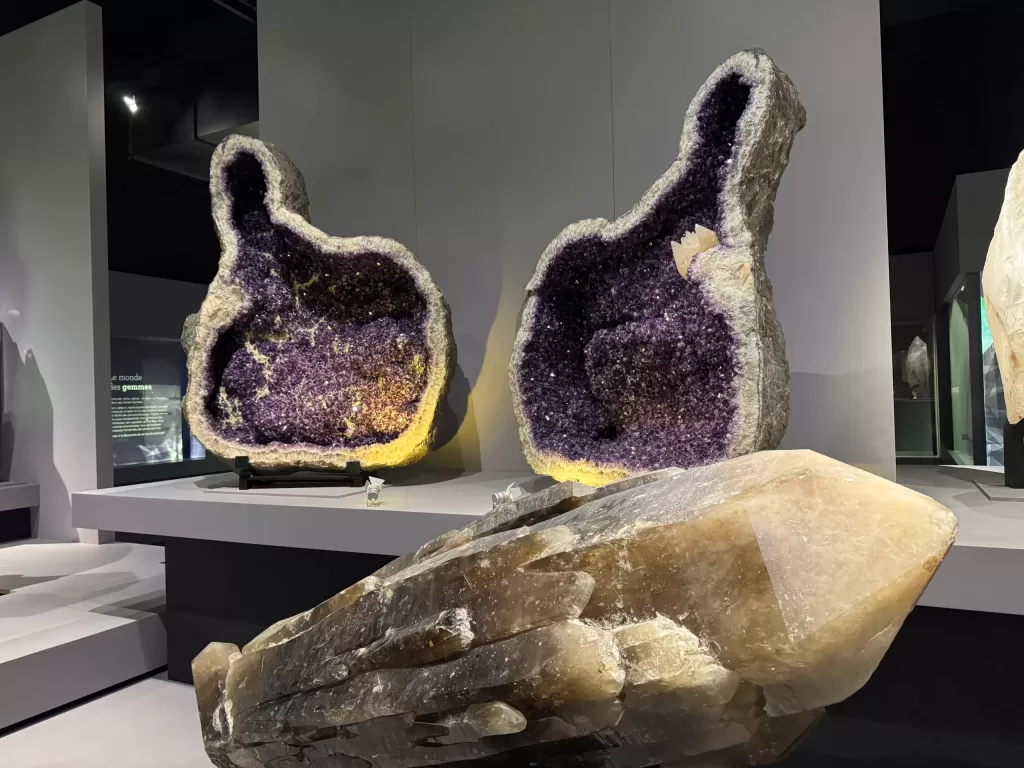
Founded in 1833, the Gallery of Mineralogy and Geology was created to house one of the world’s most prestigious collections of minerals, crystals, gemstones, and meteorites. As part of the Muséum national d’Histoire naturelle, it became a scientific hub for geology and mineralogy research. Over the centuries, the collection grew to include tens of thousands of specimens, including extraordinary gems once belonging to French royalty. Today, it serves as both a research center and a dazzling exhibition space for the public.
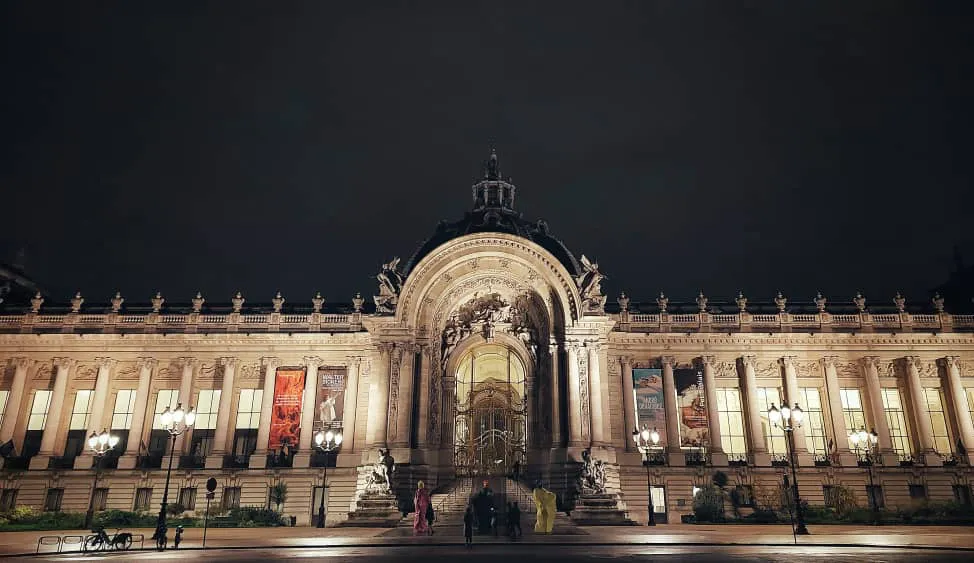
Petit Palais Paris: What to Expect Inside This Free Fine Arts Museum
The Petit Palais was built for the 1900 Exposition Universelle, on the new avenue linking the Champs-Élysées to the Invalides across the Pont Alexandre III. Architect Charles Girault, winner of the design competition, raised it between 1897 and 1900 around a semicircular garden, mixing stone, metal and then-new reinforced concrete with mosaics, stained glass and painted ceilings. After the fair it became the City of Paris Museum of Fine Arts in 1902, the same year the Dutuit brothers gave nearly 20,000 works. Today its free permanent collection runs from Greek vases to 1914, with Rembrandt, Rubens, Fragonard, Delacroix, Courbet, Monet and Cézanne, Art Nouveau rooms by Gallé and Guimard, and a rare group of Orthodox icons. Renovated from 2001 to 2005, it welcomed nearly 1.2 million visitors in 2023.
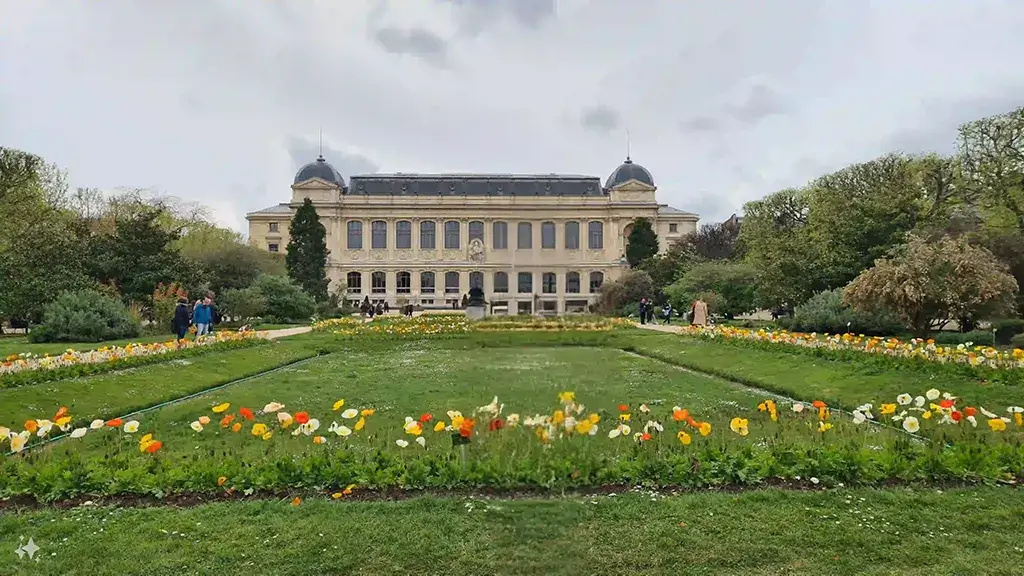
Jardin des Plantes
Founded in 1626 as a royal medicinal herb garden for Louis XIII, the Jardin des Plantes opened to the public in 1640. It later became part of the French National Museum of Natural History during the Revolution. Today, it is not only a vast botanical garden but also houses the Menagerie Zoo, the Grande Galerie de l’Évolution, mineralogy and paleontology galleries, and several historic greenhouses. It remains a center of science, education, and recreation for locals and visitors alike.