Search to Discover Top Places in Paris
Explore Attractions for Tag: culture & history

Rodin Museum
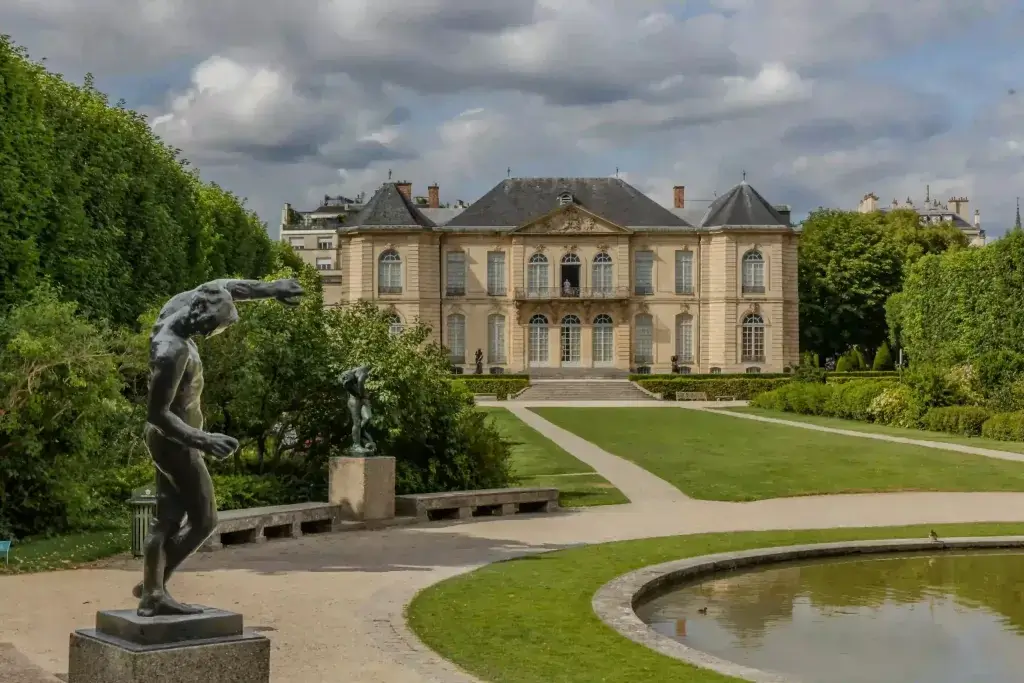
The Musée Rodin was inaugurated in 1919 inside the Hôtel Biron, an 18th-century mansion where Auguste Rodin once lived and worked. Rodin donated his entire collection of sculptures, drawings, and archives to the French state on the condition that the Hôtel Biron be turned into a museum dedicated to his art. Today, it showcases masterpieces such as The Thinker, The Kiss, and The Gates of Hell, alongside works by Camille Claudel. The gardens display monumental sculptures, making it one of the most unique art museums in Paris.

Carnavalet Museum: Paris History & City Secrets
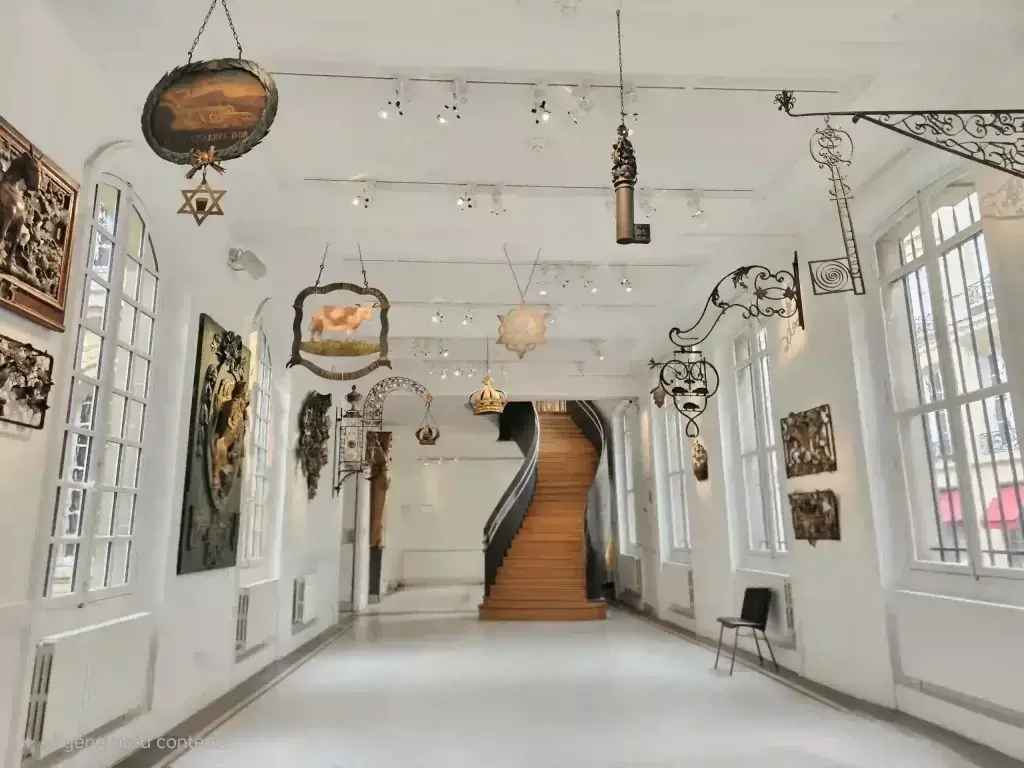
One of the oldest museums dedicated to Paris’s story, Musée Carnavalet opened in 1880 in the Renaissance Hôtel Carnavalet (built 1548–1560) and expanded over time—including the annexation of Hôtel Le Peletier de Saint-Fargeau in 1989. Closed for major renovations in 2016, it reopened in March 2021 with rich new displays and modernized visitor paths, offering over 625,000 artifacts chronicling Paris from prehistory to today.
Victor Hugo House Paris: Explore the Life of a Literary Icon
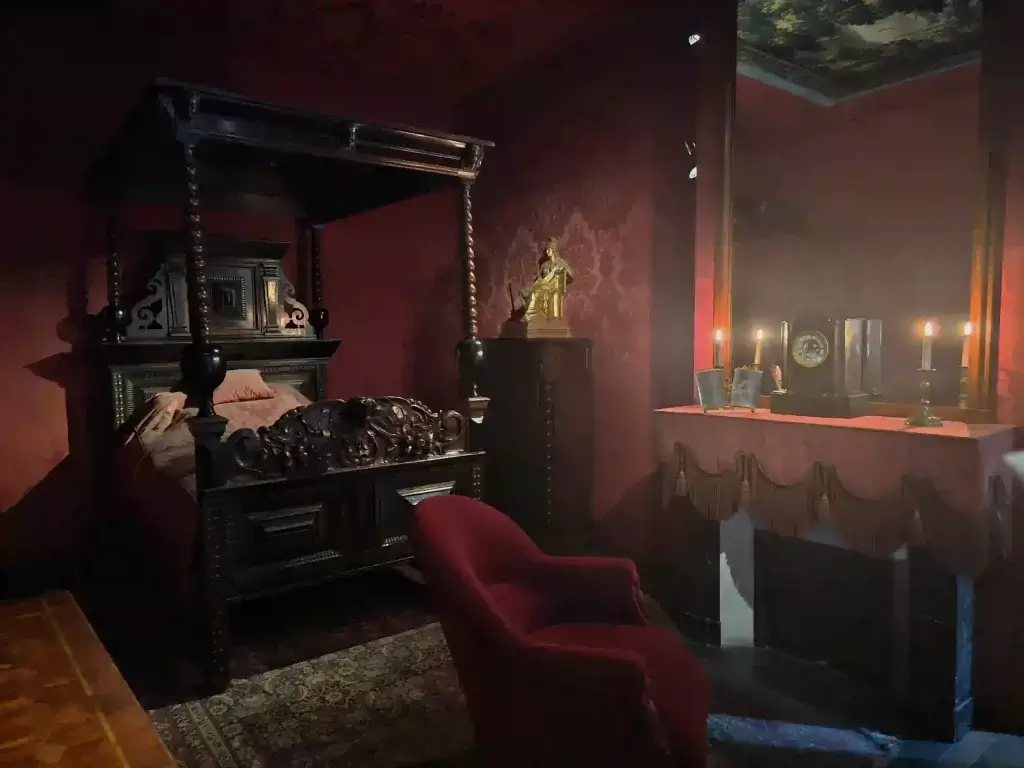
Housed since 1903 in the very apartment where Victor Hugo lived from 1832 to 1848, the museum emerged thanks to the generosity of writer friend Paul Meurice, who donated his collections to Paris. Hugo wrote iconic works like Les Misérables and Ruy Blas within these walls. After major renovations (closed 2019–2020), the house now welcomes visitors with restored rooms, a pedagogical space, and a café overlooking the courtyard.
Panthéon Paris: Monument of French History
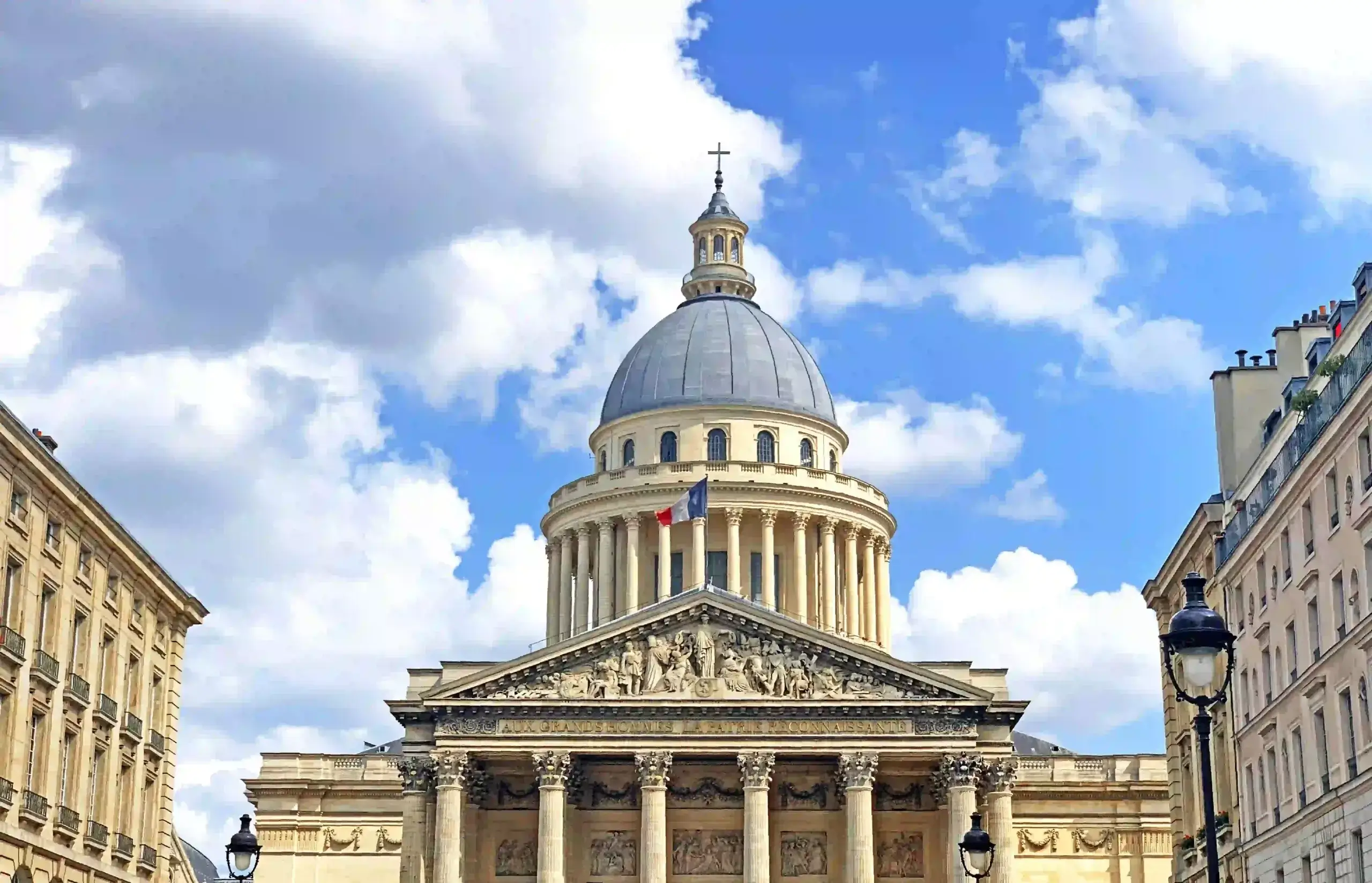
The Panthéon, originally built between 1758 and 1790 by Jacques-Germain Soufflot as a church, was secularized during the Revolution in 1791 to honor France’s greatest citizens. It oscillated between religious and civic use before becoming a steadfast mausoleum in 1885 with Victor Hugo’s entombment. Notable features—including Foucault’s Pendulum and the crypt—make it a monument to France’s intellectual legacy.
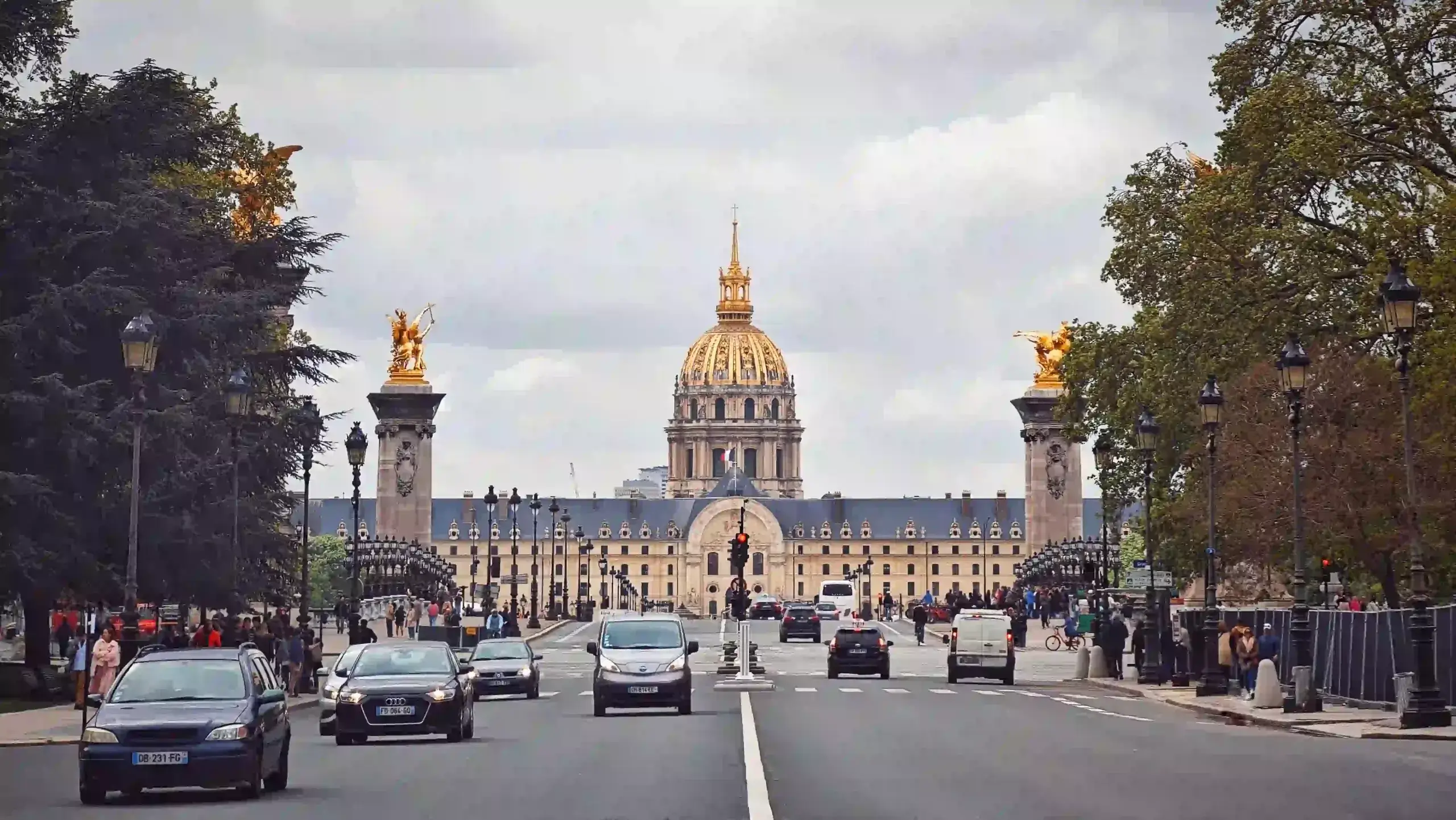
Hôtel des Invalides
Founded by Louis XIV in 1670 as a royal hospital and retirement home for wounded soldiers, Hôtel des Invalides was designed by architect Libéral Bruant, with the iconic golden-domed Église du Dôme completed by Jules Hardouin-Mansart in 1706.
After the French Revolution, the building was renamed Hôtel national des Invalides and gradually evolved into a patriotic symbol. In 1840, the tomb of Napoleon I was placed under the Dôme. The Musée de l’Armée, one of the world’s leading military history museums, was established in the complex by 1905.
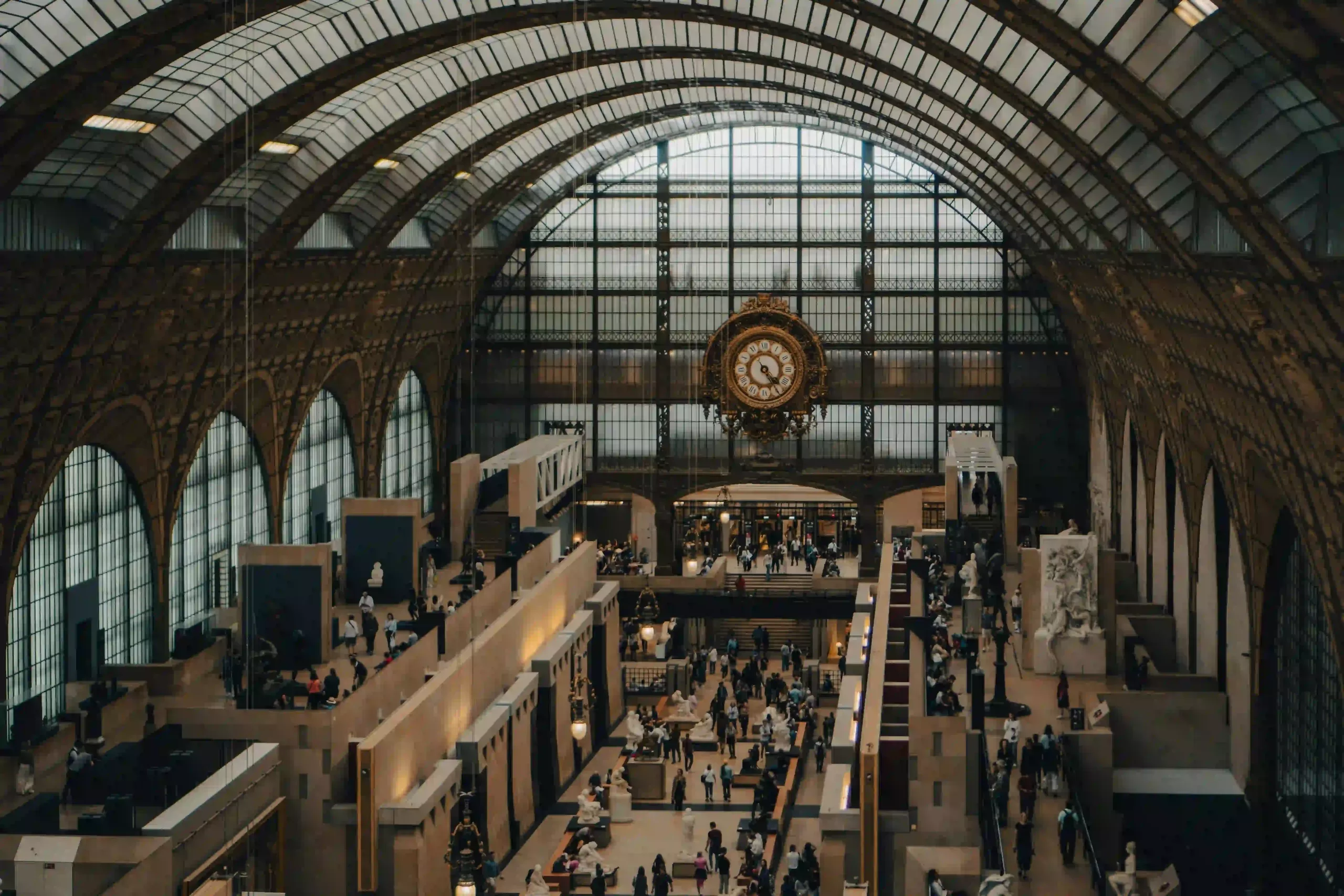
Musée d’Orsay
Housed in what was once the Gare d’Orsay, a 1900 Beaux-Arts train station, the Musée d’Orsay transformed into a museum and officially opened in December 1986 after a bold renovation by Gae Aulenti and team under a plan initiated in the 1970s. It was envisioned to bridge collections between the Louvre and Centre Pompidou. Today, it hosts the world’s largest collection of Impressionist and Post-Impressionist art, set under soaring glass ceilings and original clocks of the old station. A major expansion, funded in part by a €20 million donation, is underway to extend gallery and educational spaces by 2026.
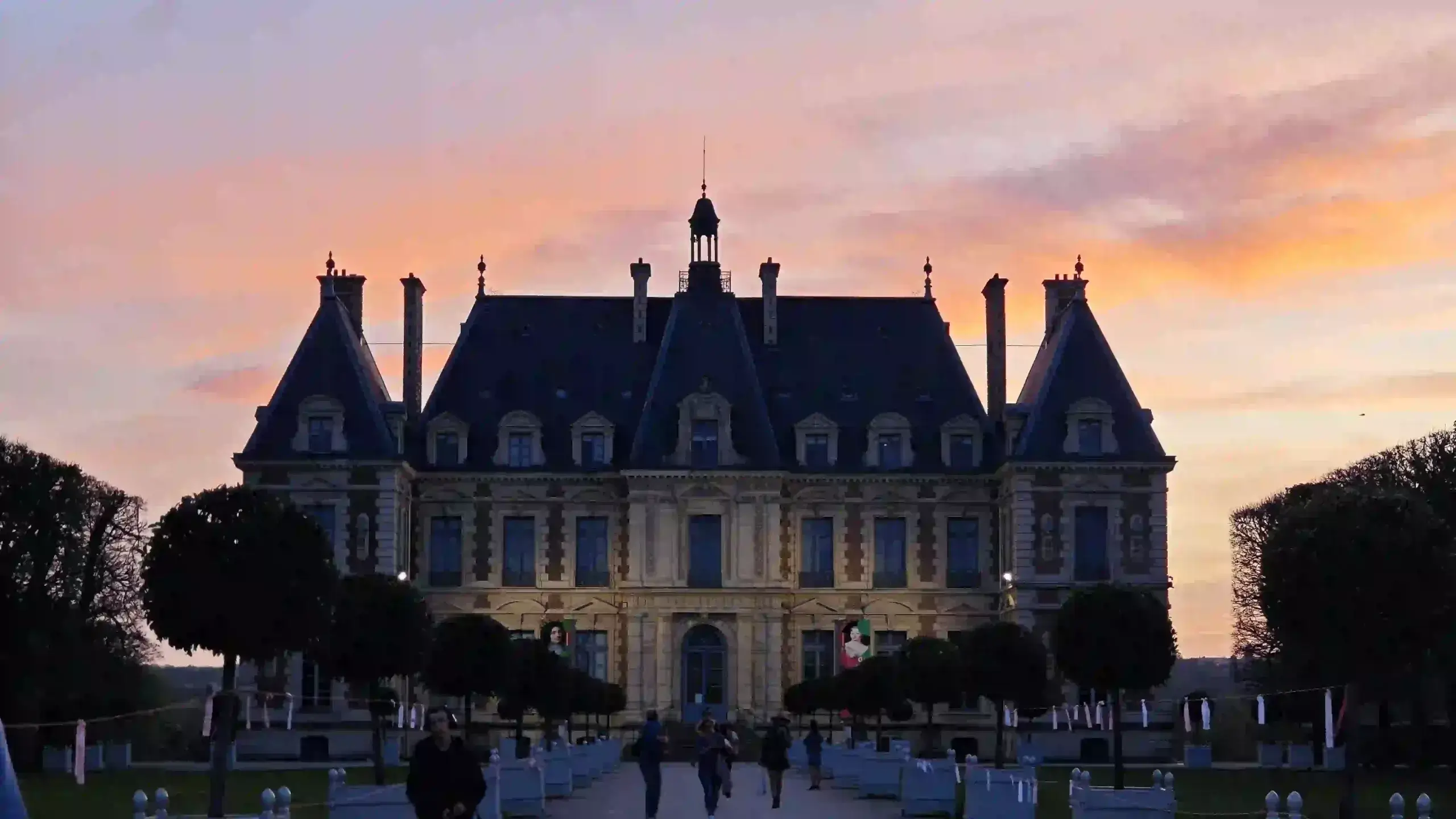
Parc de Sceaux
The Parc de Sceaux, designed in the 17th century by the legendary landscape architect André Le Nôtre, remains one of France’s finest examples of classical garden art. Its grand north-south and east-west perspectives, monumental hydraulic works like the Grand Canal (over one kilometer long), the Octogone, and the Petit Canal still dominate the landscape four centuries later. Historic structures—including the Pavillon de l’Aurore, the Orangerie, castle basins, moats, and the Petit Château—enrich the park’s character and reflect the elegance of the Grand Siècle.
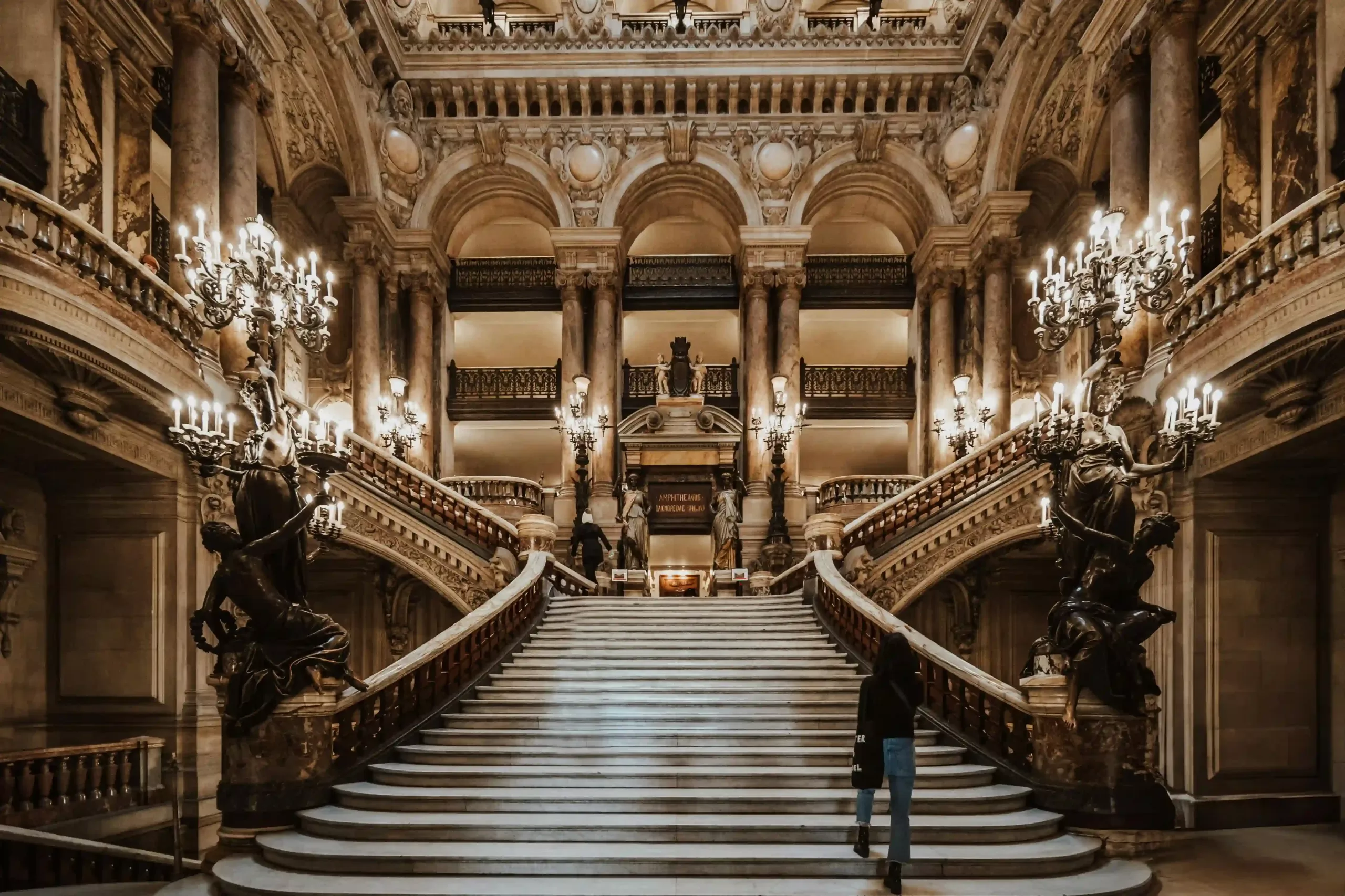
Palais Garnier
Commissioned by Napoleon III and designed by Charles Garnier, the Opéra Garnier was inaugurated in 1875. Its opulent Beaux-Arts architecture, dramatic staircase, and lavish interiors have inspired works like Gaston Leroux’s “Phantom of the Opera.”
With its fusion of sculpture, painting, and gold-leaf ornamentation, the building remains a temple of performing arts, hosting ballets, concerts, and operas.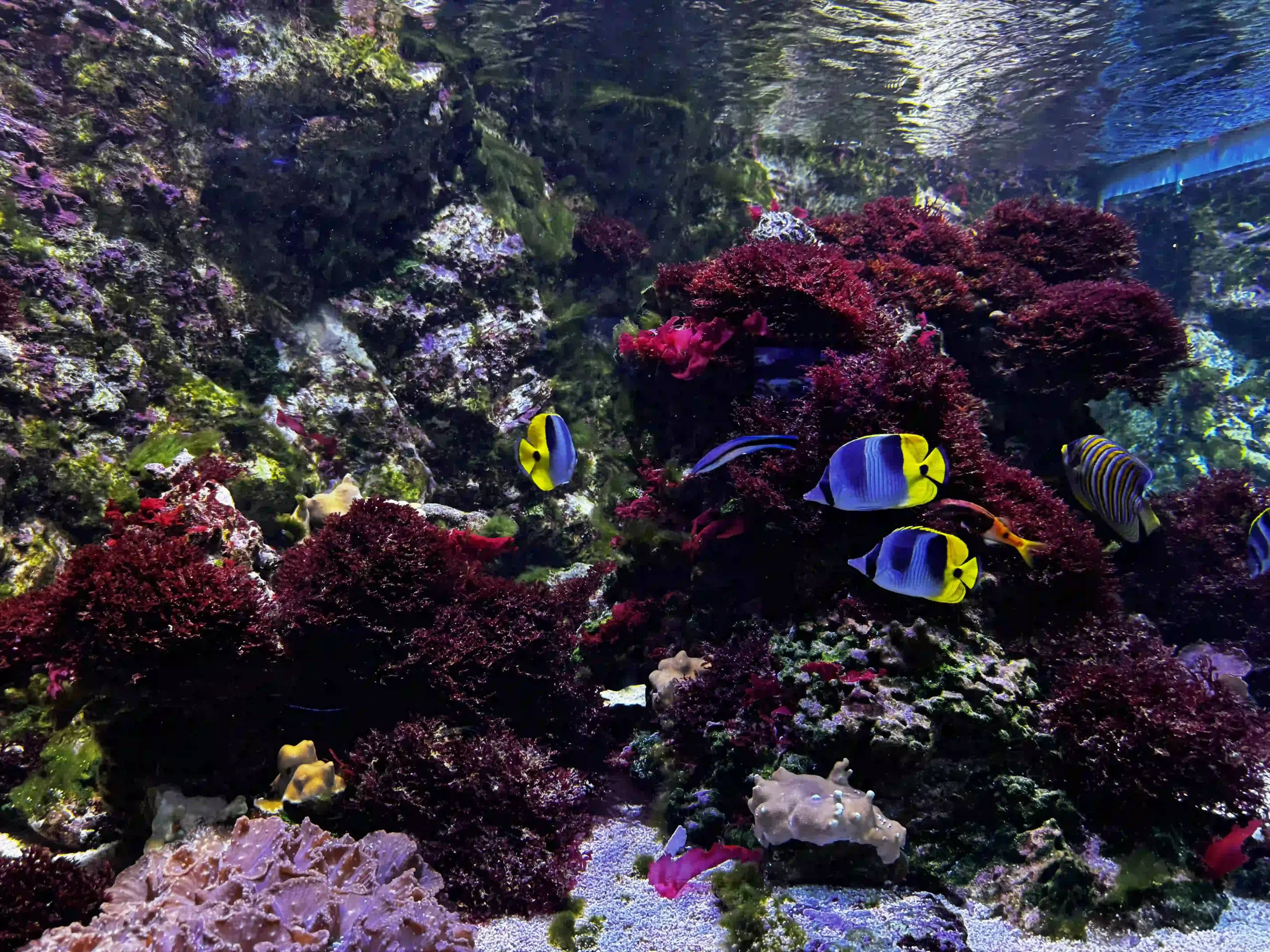
Tropical Aquarium
Founded in 1931 for the Paris Colonial Exhibition, the Tropical Aquarium is located in the Palais de la Porte Dorée, a stunning Art Deco building in eastern Paris. It was one of the first public aquariums in France and remains a popular educational site for biodiversity and marine conservation.
The aquarium hosts over 5,000 animals from 300 species across ecosystems including Amazonian rivers, African lakes, Indo-Pacific coral reefs, and mangroves.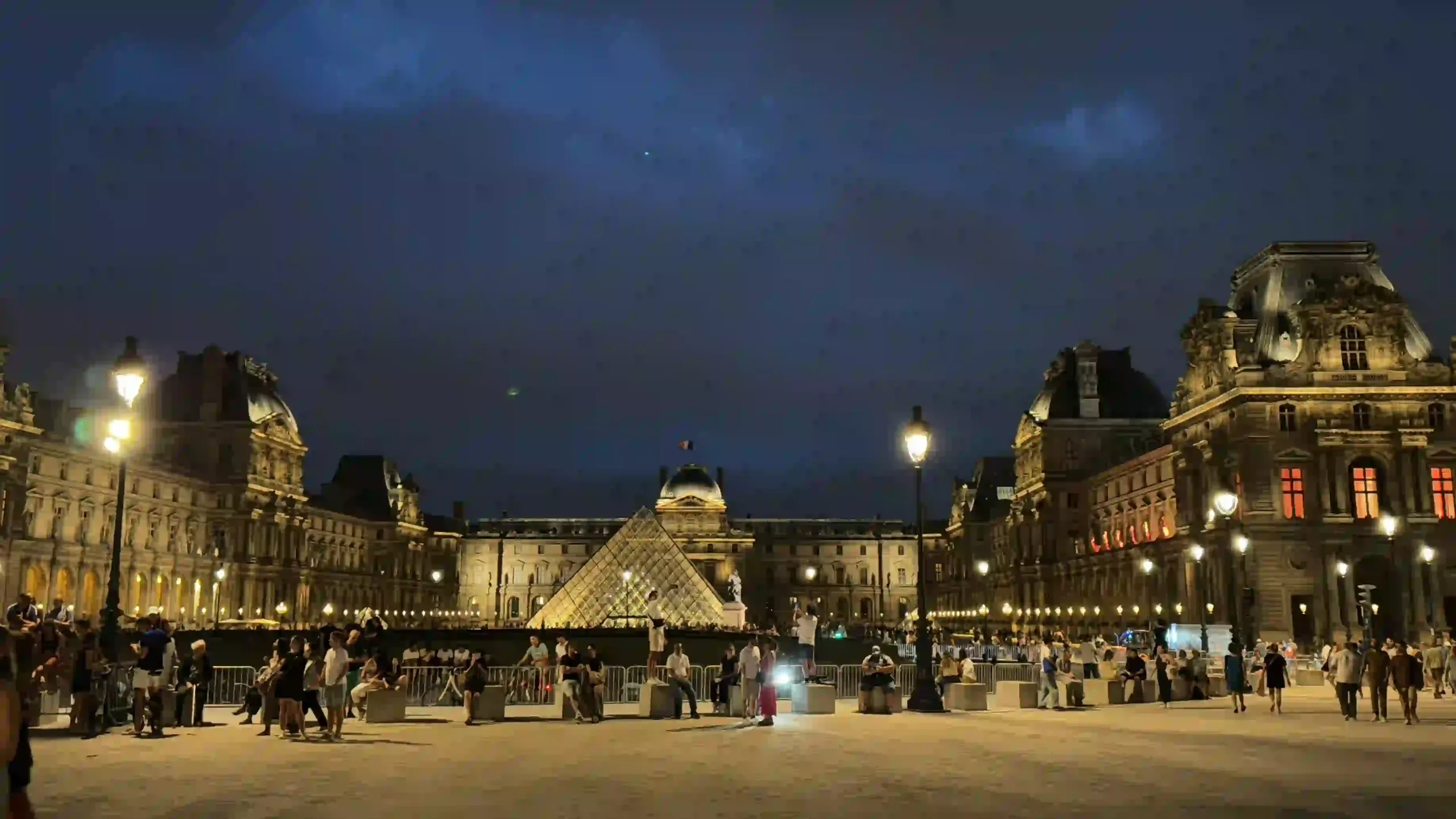
Louvre Museum
The Louvre Museum (Musée du Louvre) in Paris is the world’s most visited art museum and one of the city’s most iconic landmarks. Originally built as a medieval fortress in the late 12th century and later transformed into a royal palace, it became a public museum during the French Revolution. Officially opened on August 10, 1793 as the Musée central des arts de la République, the Louvre has since grown into a global cultural treasure. Its vast collections span from ancient civilizations to the 19th century, featuring masterpieces like the Mona Lisa and the Venus de Milo. Today, the Louvre is not only a symbol of Parisian heritage but also a must-visit destination for art, history, and architecture lovers worldwide.
Church of the Madeleine Paris: History & Architecture
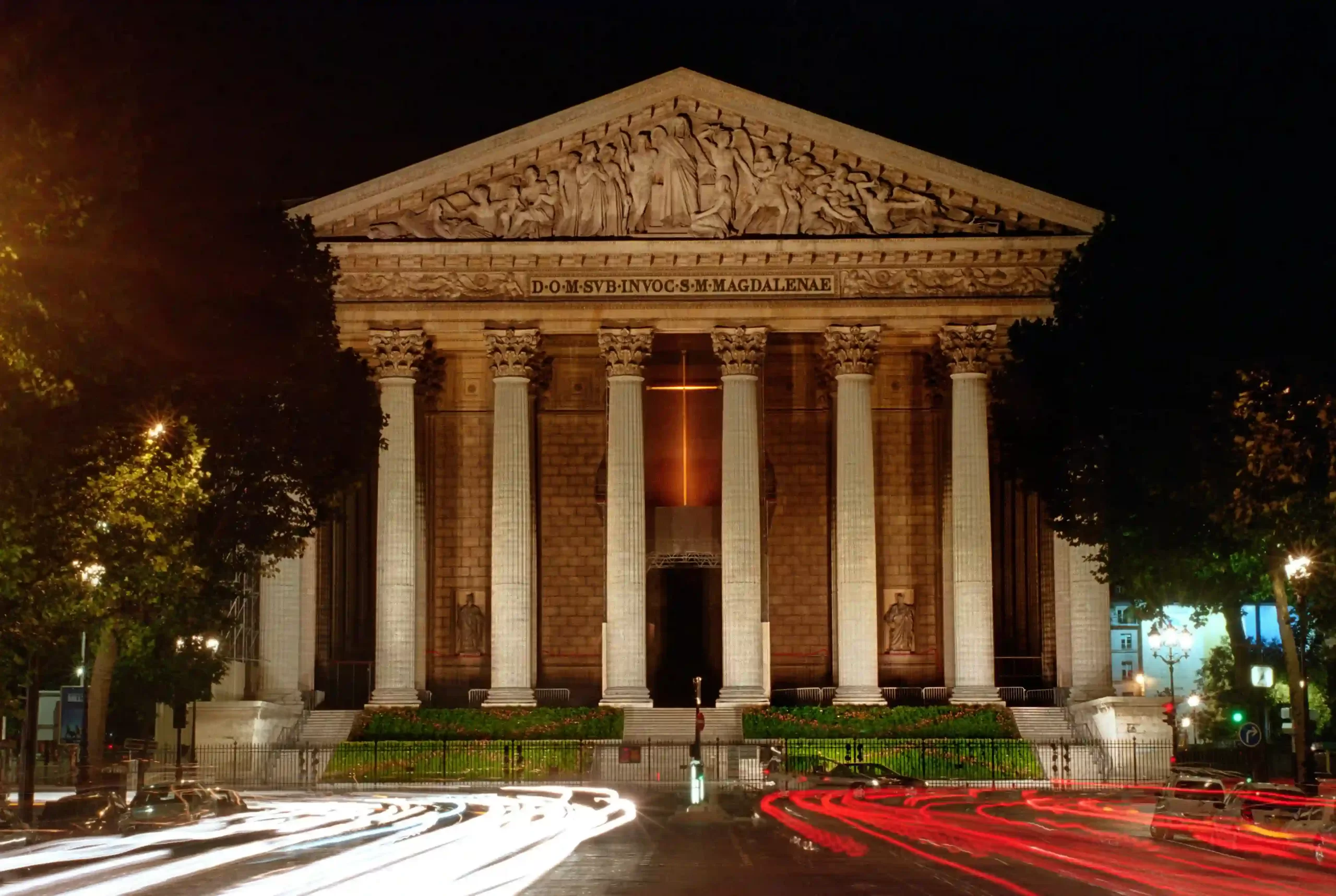
La Madeleine Church in Paris, an iconic neoclassical monument near Place de la Concorde, has a fascinating history spanning over 80 years of construction. Originally planned as a parish church in the 18th century, its purpose shifted through France’s political upheavals—from a revolutionary oratory to Napoleon’s envisioned “Temple to the Glory of the Great Army”—before finally being consecrated as a Catholic church. Blending the grandeur of ancient temples with Parisian elegance, La Madeleine stands today as both a place of worship and one of the city’s most striking historic landmarks.
Luxembourg Garden Paris: Travel Tips & Opening Hours
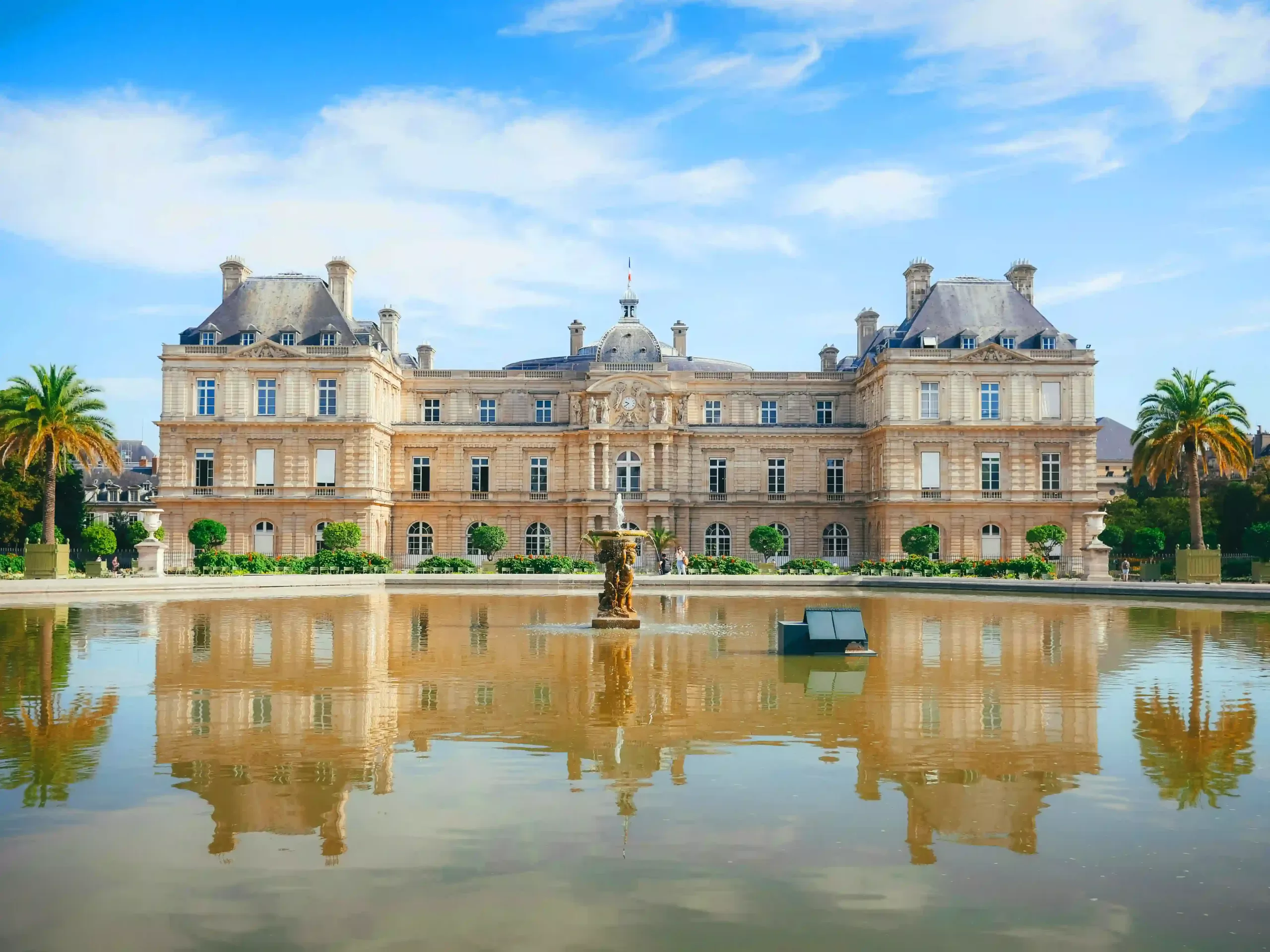
Commissioned by Queen Marie de Medici in 1612,
the Jardin du Luxembourg was inspired by the Boboli
Gardens of Florence. Centered around the Palais du
Luxembourg (now the French Senate), the 25-hectare
park offers classical French and English-style gardens,
ornamental fountains, and nearly 100 statues.
A beloved Parisian retreat, the garden serves as a
vibrant cultural and social hub, featuring art exhibitions,
concerts, and public leisure spaces.