Discover Paris like a local
and plan your trip in 60 seconds
No endless tabs, no overthinking — just a plan built around your mood.
60 seconds, 5 simple questions
Get a plan that fits your vibe
No signup, no email
What’s Trending in Paris
How to Visit Paris on a Budget ( Without Missing the Magic )
Carnaval Tropical de Paris: What to Expect at the Free Parade on the Champs-Élysées

La Marche des Animaux: Paris’s Pet Parade for World Animal Day — What to Expect
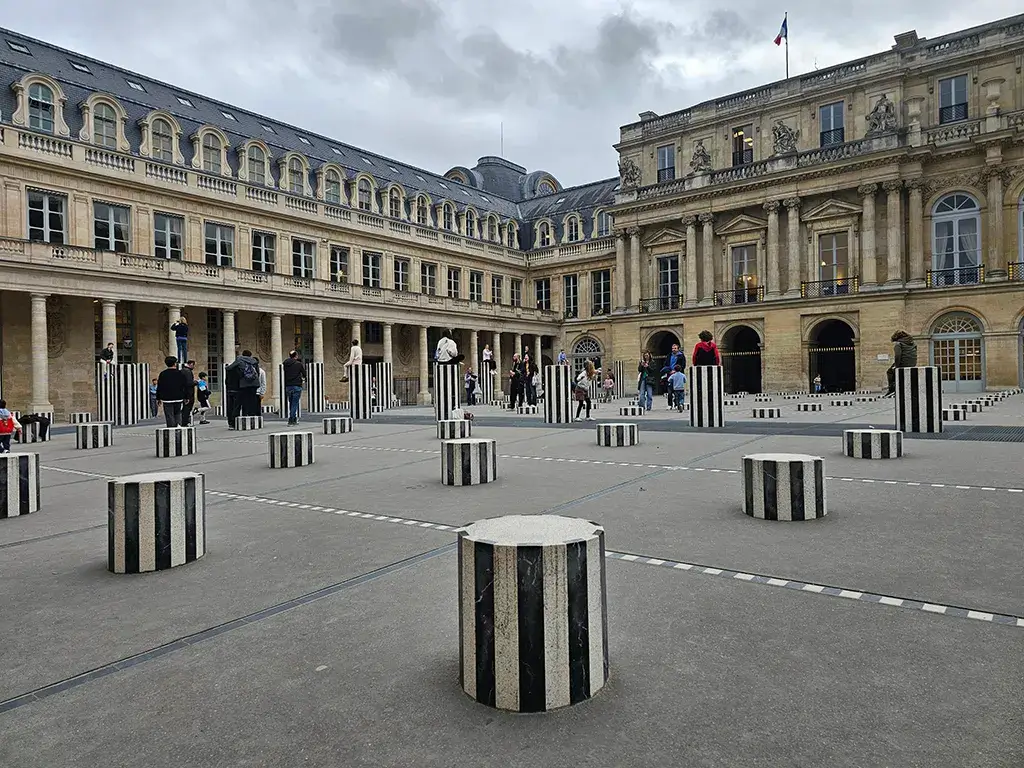
Hidden Paris You Can Only See Once a Year: Journées du Patrimoine 2026
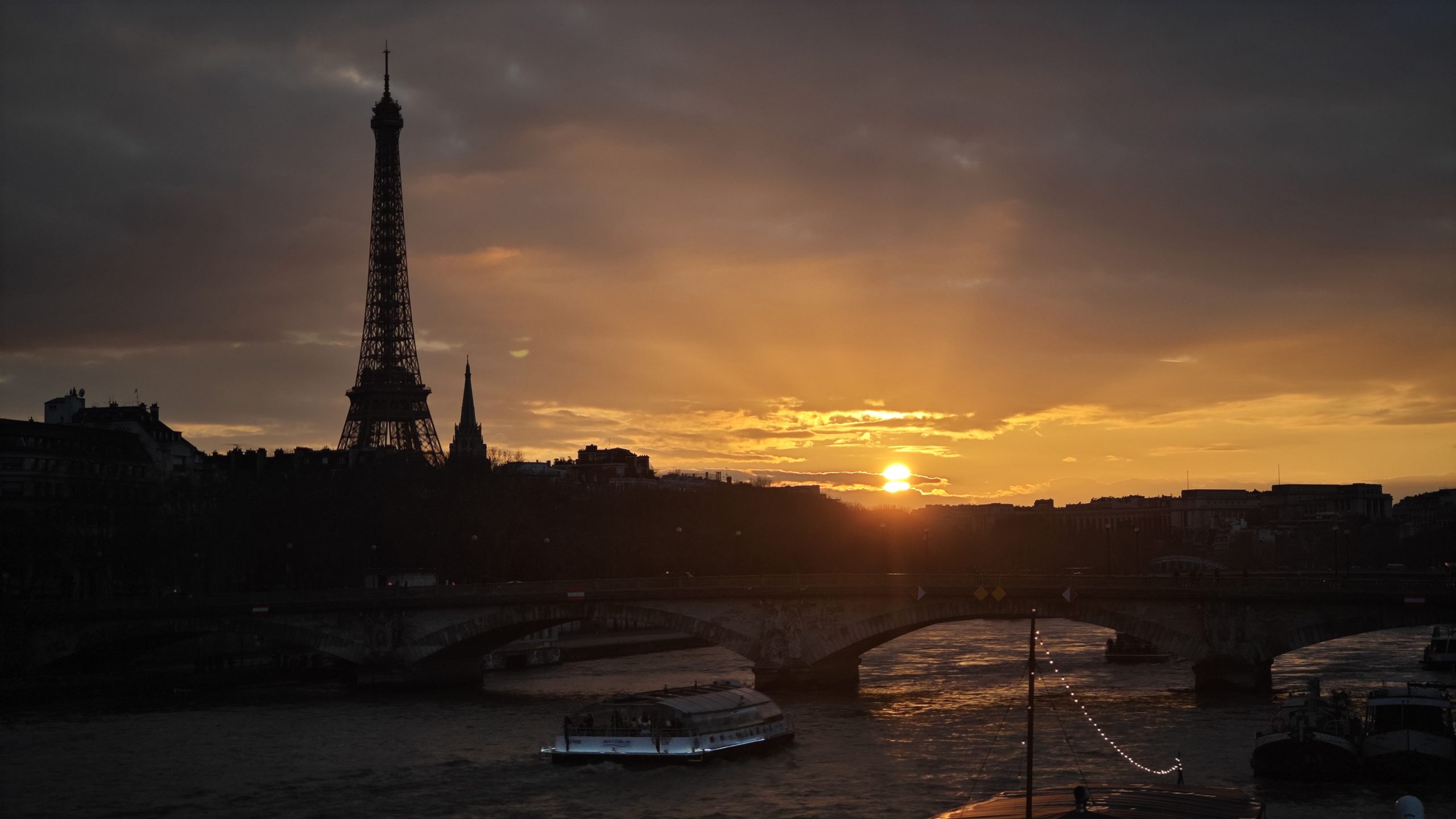
10 Common Tourist Mistakes in Paris ( And How to Avoid Them )
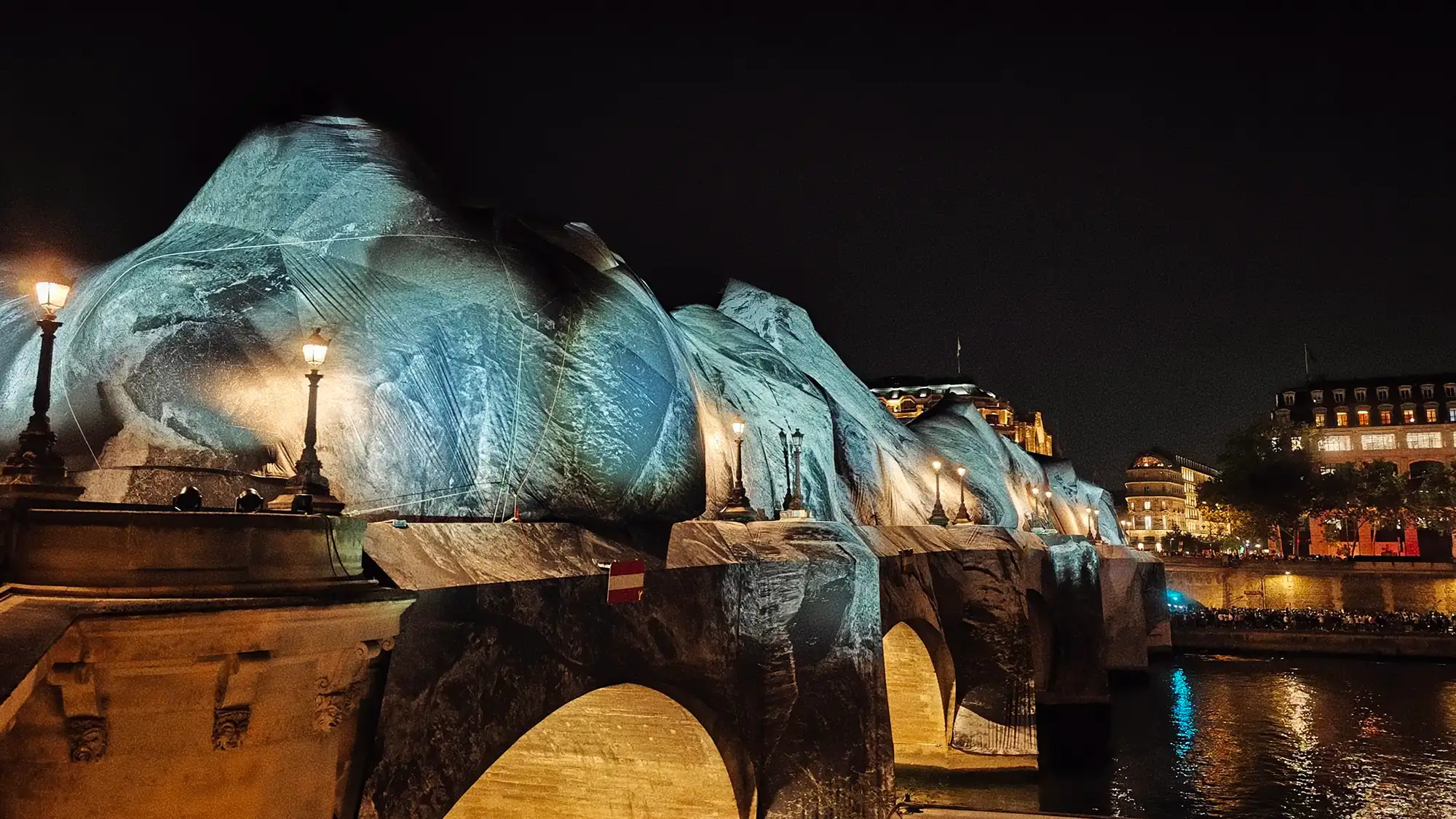
JR’s La Caverne du Pont Neuf Paris 2026: Best Time to Visit & Complete Guide
Editor’s Picks
How to Visit Paris on a Budget ( Without Missing the Magic )
Paris often carries a reputation as one of the world’s most expensive cities, and it’s true that dining, attractions, and accommodations can quickly add up. But the reality is, with a few smart choices, you can explore the City of Light without draining your savings. From free museums and scenic walks along the Seine to hidden cafés and bakeries off the beaten path, Paris offers countless ways to enjoy its magic on a budget.
10 Common Tourist Mistakes in Paris ( And How to Avoid Them )
Paris is one of the most visited cities in the world, attracting millions of travelers every year. Even seasoned visitors, however, can fall into classic tourist traps. From overpaying for a coffee near the Eiffel Tower to misunderstanding local dining etiquette or choosing the wrong metro route, small mistakes can add up and make your trip less enjoyable than it could be.
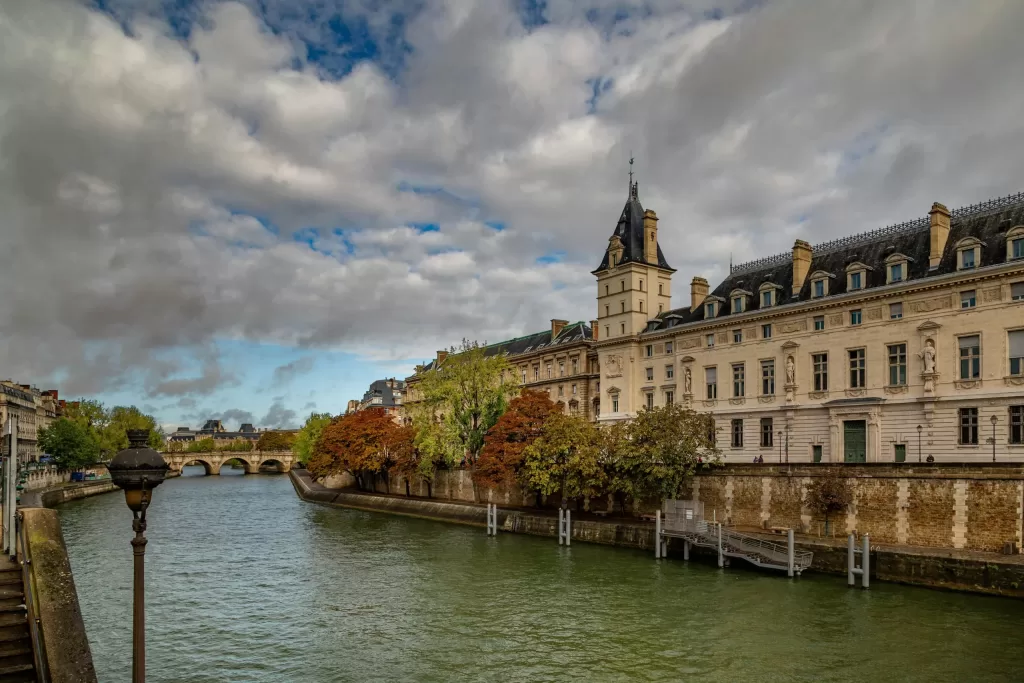
Best Neighborhoods to Stay in Paris and Why?
Paris is one of the most diverse cities in the world — offering everything from buzzing nightlife and trendy neighborhoods to quiet family-friendly streets, romantic hideaways, and lively student districts. With so many different vibes packed into one city, choosing where to stay in Paris isn’t just about budget or travel style — it’s also deeply connected to your age, lifestyle, and travel priorities.
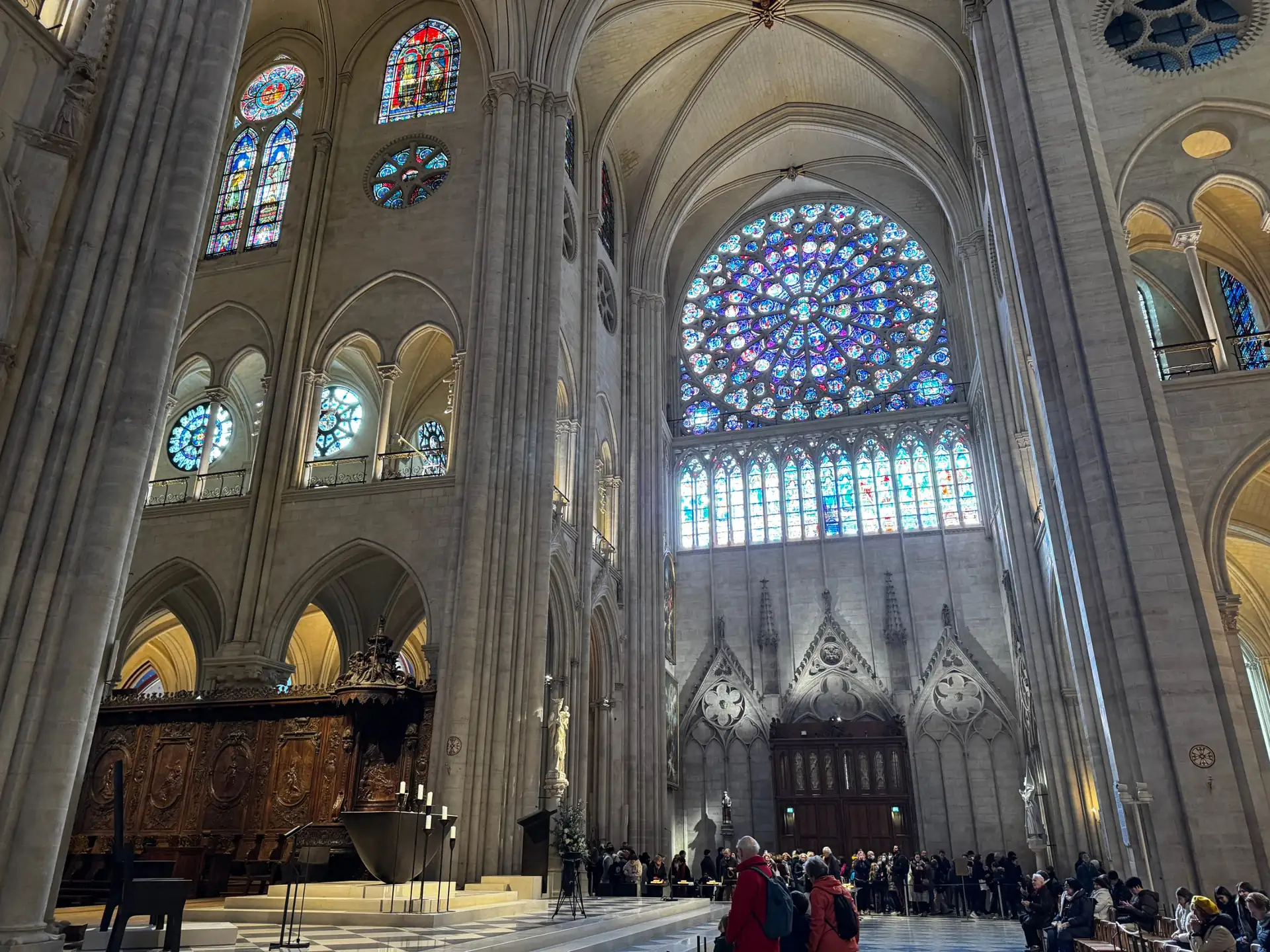
Notre-Dame de Paris: What to Expect Inside the Reborn Cathedral
Notre-Dame de Paris rises on the Île de la Cité, the island where Paris was born. Bishop Maurice de Sully launched its construction in 1163, and over nearly two centuries masons, sculptors and glaziers shaped a model of French Gothic: flying buttresses, a carved western façade and three great rose windows. Kings prayed and married here, Napoleon crowned himself emperor in 1804, and Victor Hugo’s 1831 novel rescued the neglected building by turning the whole country’s attention to it. Architects Lassus and Viollet-le-Duc restored it in the 19th century and added the famous spire. On 15 April 2019 a fire destroyed the roof and spire, yet most of the stone vaults held. After five years of work by about 2,000 craftspeople, the cathedral reopened on 7 December 2024 and welcomed some 11 million visitors in its first year.
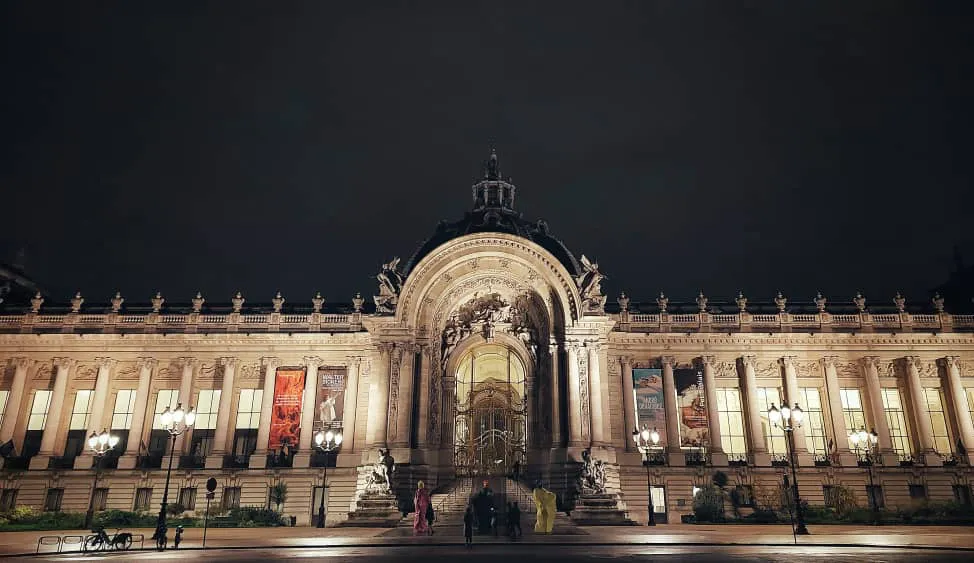
Petit Palais Paris: What to Expect Inside This Free Fine Arts Museum
The Petit Palais was built for the 1900 Exposition Universelle, on the new avenue linking the Champs-Élysées to the Invalides across the Pont Alexandre III. Architect Charles Girault, winner of the design competition, raised it between 1897 and 1900 around a semicircular garden, mixing stone, metal and then-new reinforced concrete with mosaics, stained glass and painted ceilings. After the fair it became the City of Paris Museum of Fine Arts in 1902, the same year the Dutuit brothers gave nearly 20,000 works. Today its free permanent collection runs from Greek vases to 1914, with Rembrandt, Rubens, Fragonard, Delacroix, Courbet, Monet and Cézanne, Art Nouveau rooms by Gallé and Guimard, and a rare group of Orthodox icons. Renovated from 2001 to 2005, it welcomed nearly 1.2 million visitors in 2023.
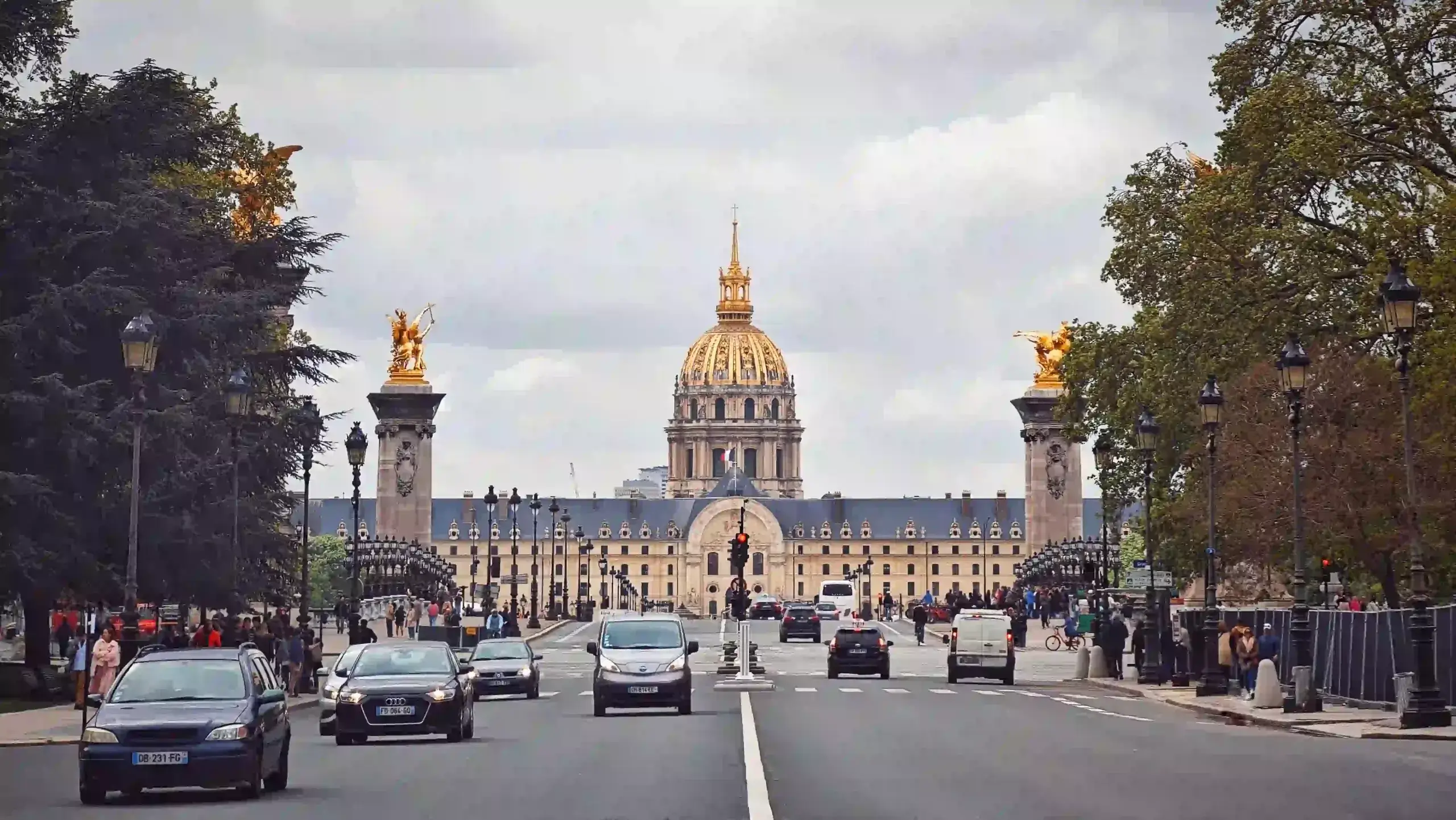
Hôtel des Invalides
Founded by Louis XIV in 1670 as a royal hospital and retirement home for wounded soldiers, Hôtel des Invalides was designed by architect Libéral Bruant, with the iconic golden-domed Église du Dôme completed by Jules Hardouin-Mansart in 1706.
After the French Revolution, the building was renamed Hôtel national des Invalides and gradually evolved into a patriotic symbol. In 1840, the tomb of Napoleon I was placed under the Dôme. The Musée de l’Armée, one of the world’s leading military history museums, was established in the complex by 1905.
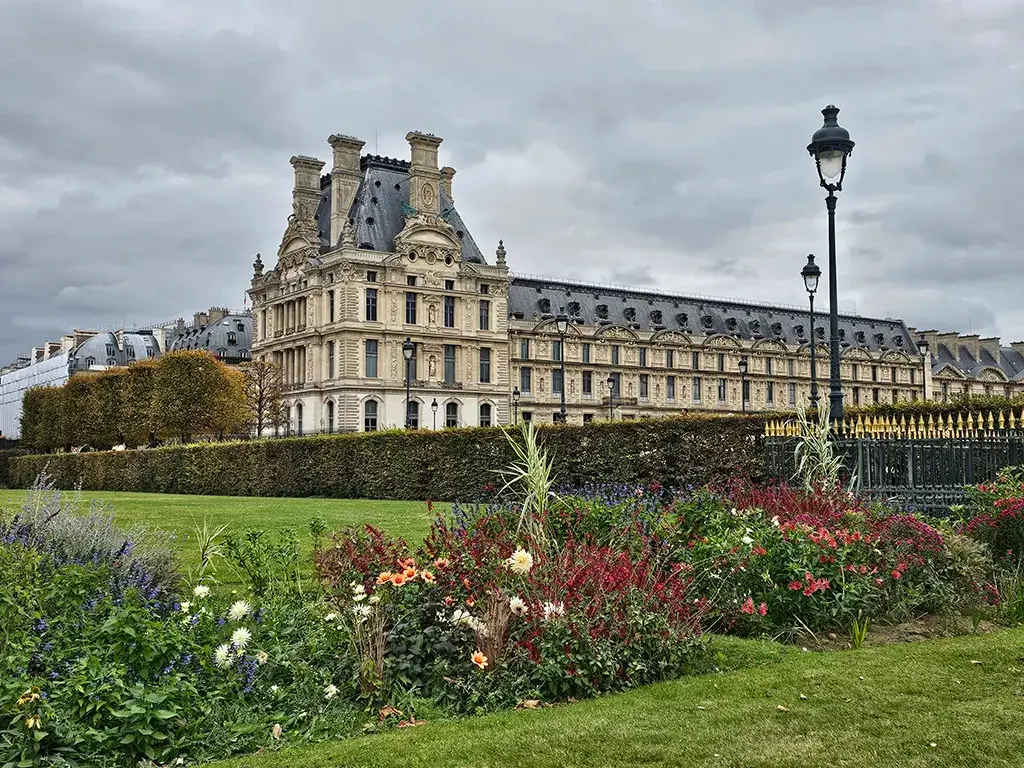
Tuileries Garden
The Jardin des Tuileries was created in 1564 by Catherine de’ Medici as part of the Tuileries Palace. Redesigned by landscape architect André Le Nôtre in 1664, it became the first French formal garden and a model for Versailles. The garden opened to the public after the French Revolution, making it one of the earliest public parks in Paris. After the Tuileries Palace was burned in 1871 during the Paris Commune, the garden remained as a cherished cultural and recreational space, hosting sculptures, exhibitions, and gatherings.

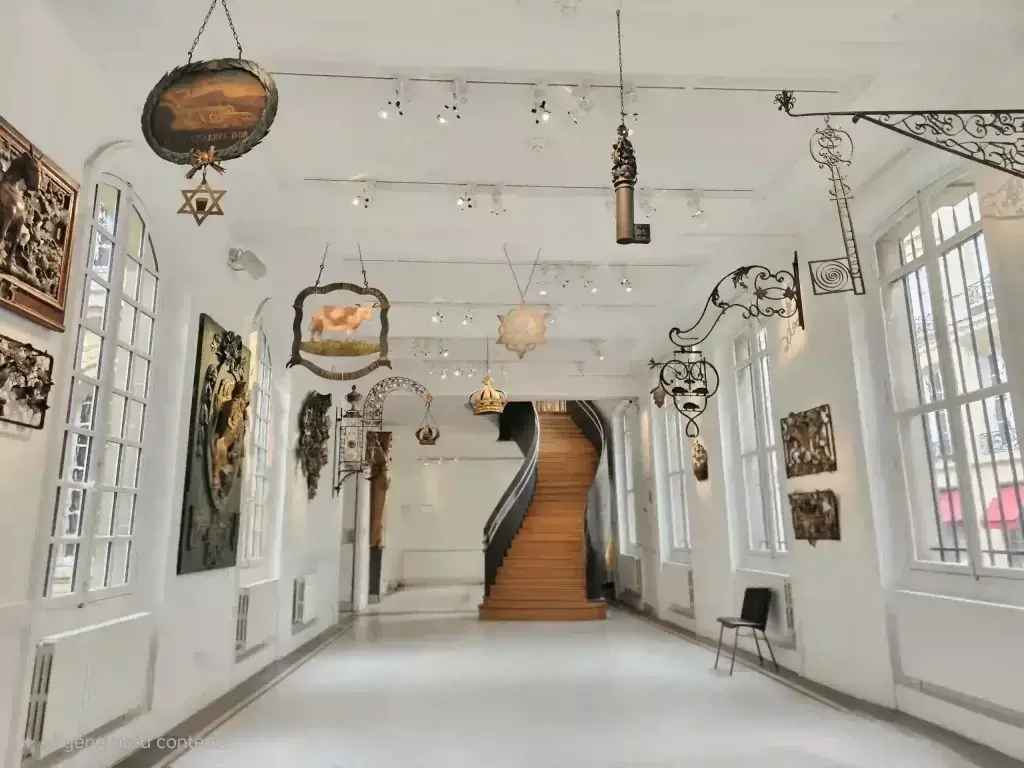
Carnavalet Museum: Paris History & City Secrets
One of the oldest museums dedicated to Paris’s story, Musée Carnavalet opened in 1880 in the Renaissance Hôtel Carnavalet (built 1548–1560) and expanded over time—including the annexation of Hôtel Le Peletier de Saint-Fargeau in 1989. Closed for major renovations in 2016, it reopened in March 2021 with rich new displays and modernized visitor paths, offering over 625,000 artifacts chronicling Paris from prehistory to today.
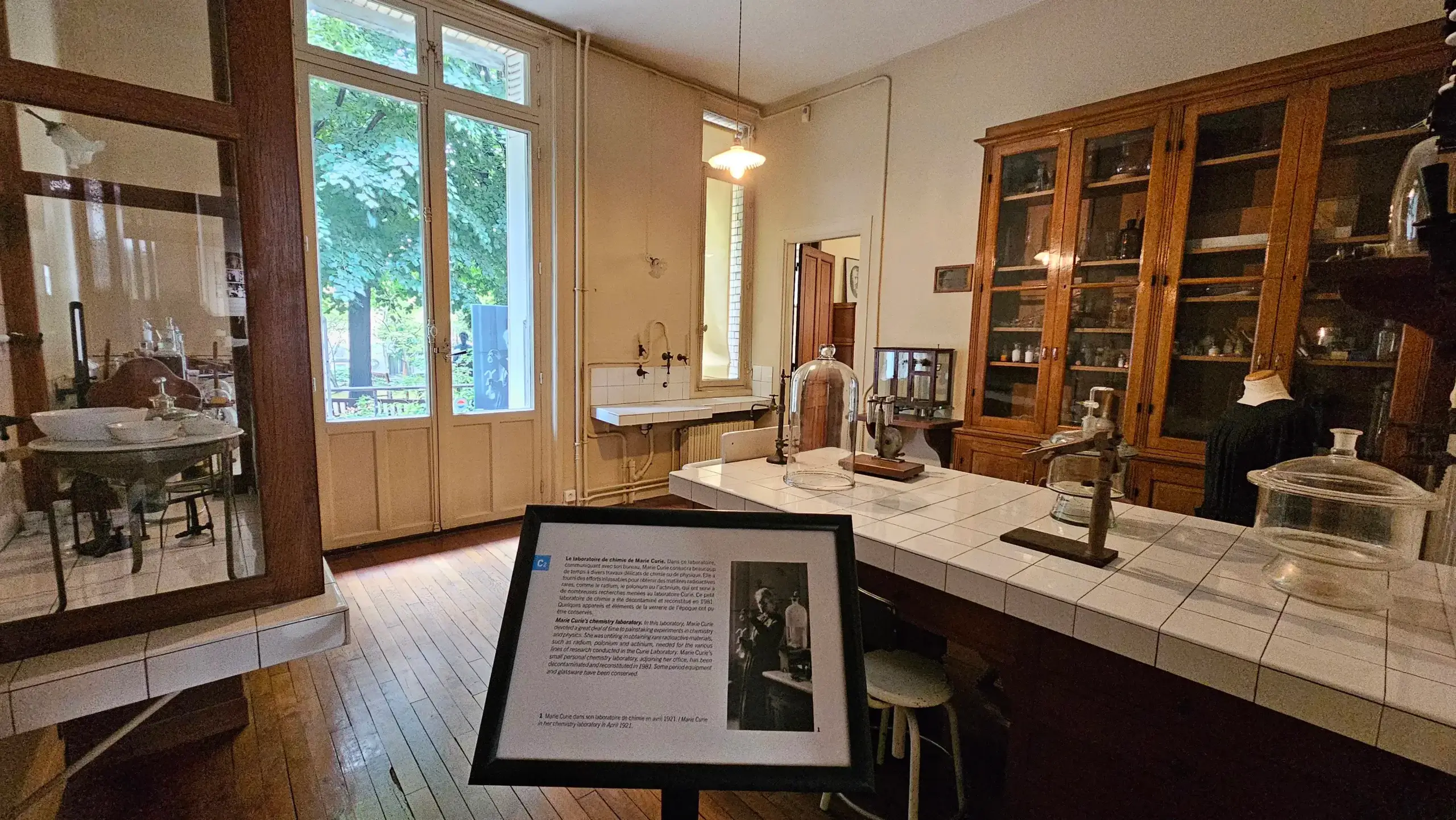
Musée Curie
The Musée Curie is located within the historic Curie Pavilion, part of the former Radium Institute where pioneering research on radioactivity took place.
The museum celebrates the extraordinary achievements of Marie Curie and Pierre Curie, whose groundbreaking work transformed modern science.
In 1898, Marie and Pierre Curie discovered the radioactive elements Polonium and Radium, opening a new chapter in physics and chemistry.
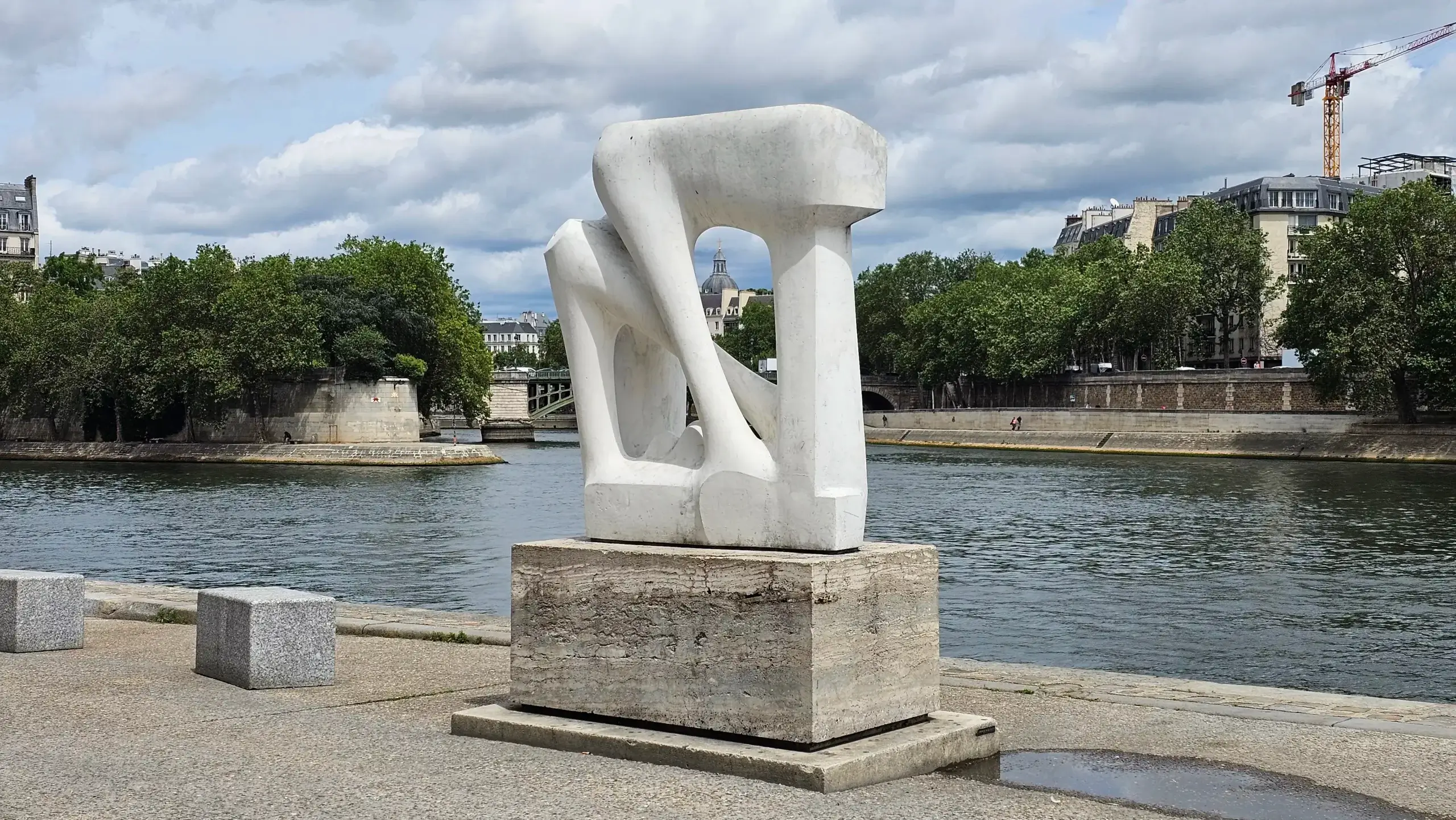
Jardin Tino Rossi
The Jardin Tino Rossi was created in 1975 along the Quai Saint-Bernard on the left bank of the Seine.
The garden is named after Tino Rossi, one of France’s most beloved singers of the 20th century, famous for classics such as Petit Papa Noël.
One of the garden’s defining features is its open-air sculpture museum, officially known as the Musée de la Sculpture en Plein Air. Established in 1980, it showcases dozens of contemporary sculptures by international artists, transforming the riverside into an outdoor art gallery.
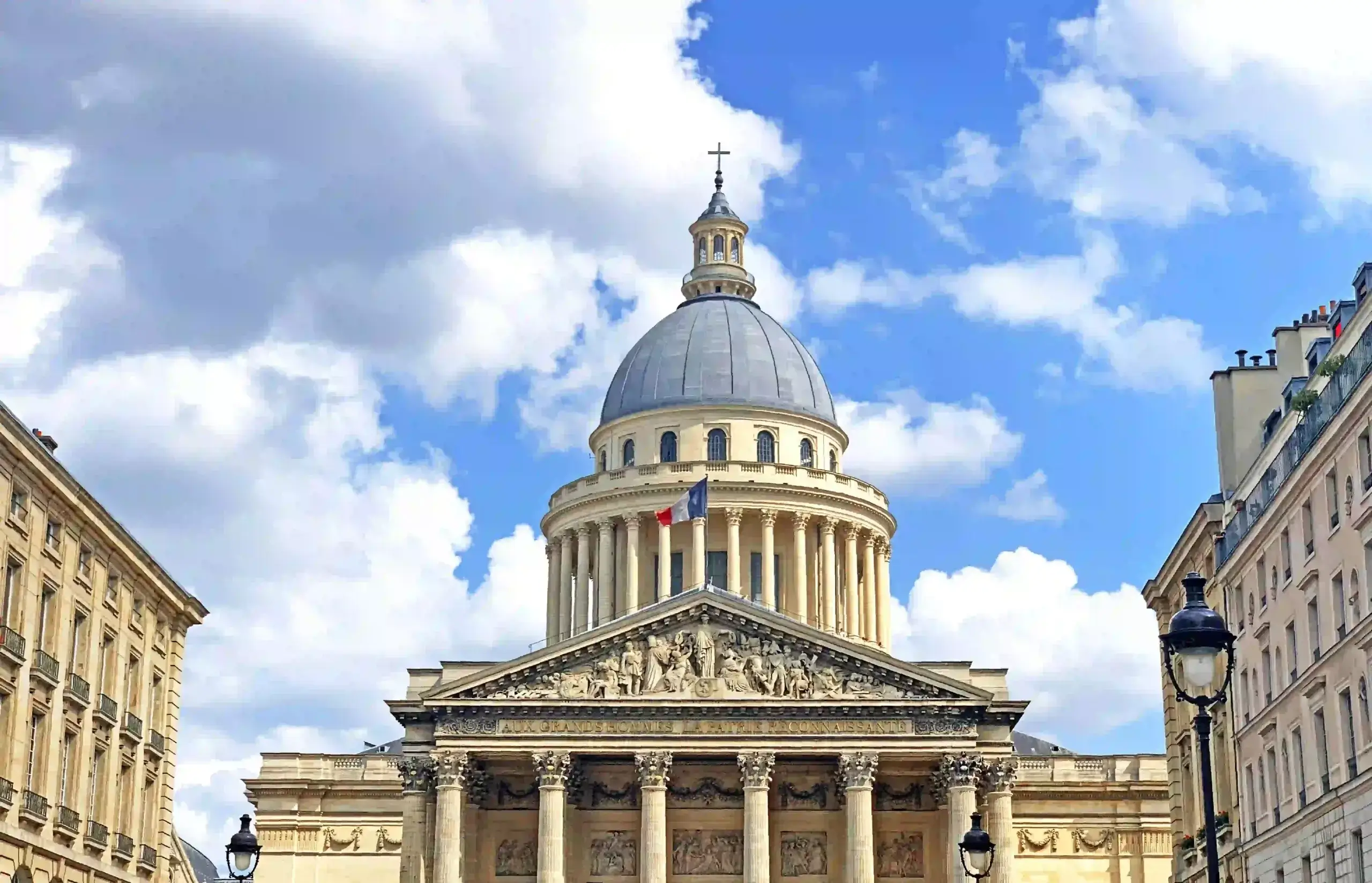
Panthéon Paris: Monument of French History
The Panthéon, originally built between 1758 and 1790 by Jacques-Germain Soufflot as a church, was secularized during the Revolution in 1791 to honor France’s greatest citizens. It oscillated between religious and civic use before becoming a steadfast mausoleum in 1885 with Victor Hugo’s entombment. Notable features—including Foucault’s Pendulum and the crypt—make it a monument to France’s intellectual legacy.
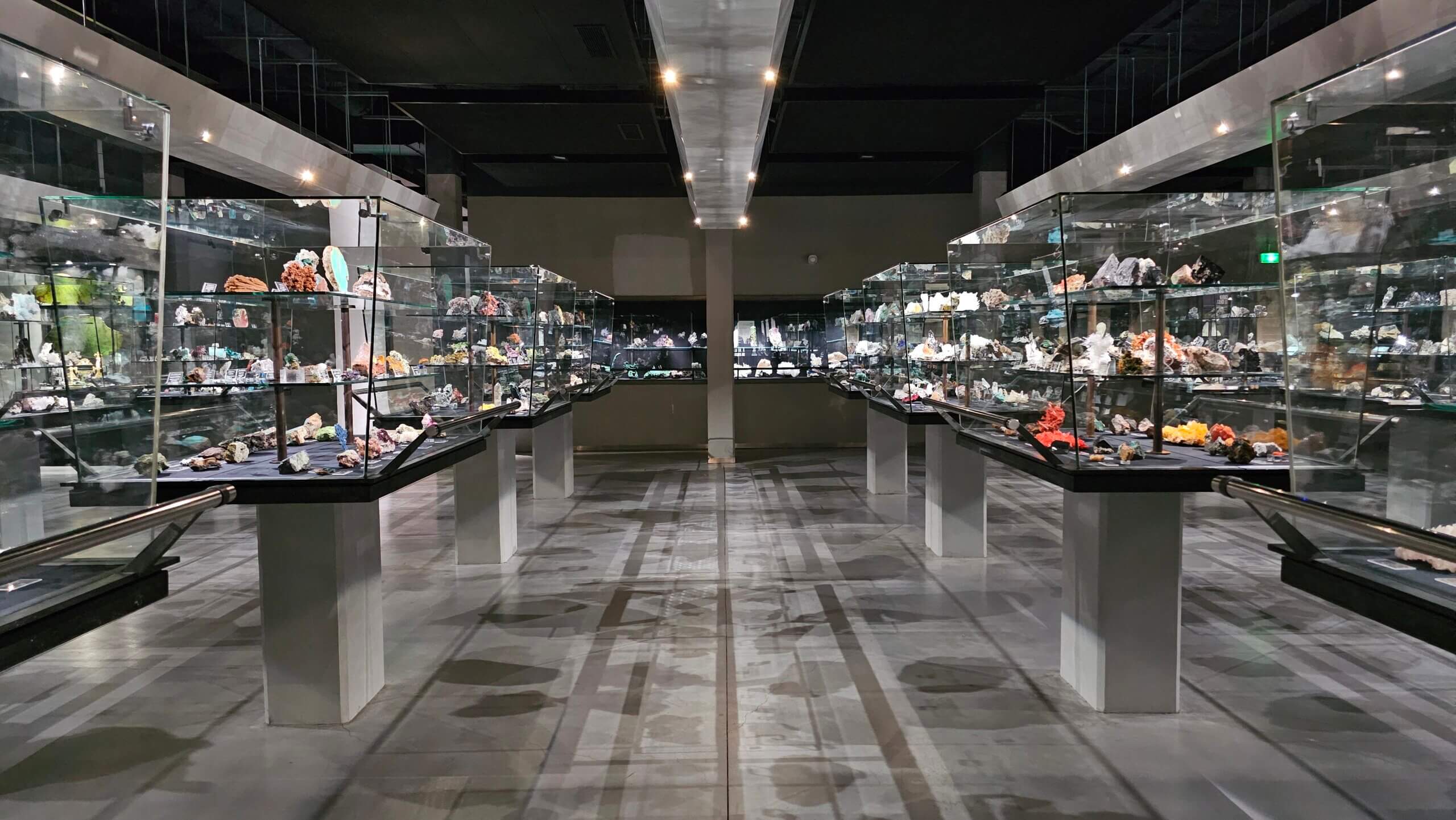
Le Musée des Minéraux de la Sorbonne
The Musée des Minéraux de la Sorbonne traces its origins to 1823, when French mineralogist François-Sulpice Beudant began assembling a scientific mineral collection for educational and research purposes.
Over the following two centuries, the collection grew through scientific expeditions, donations, acquisitions, and exchanges with institutions worldwide. Today, it houses nearly 16,000 mineral specimens, making it one of France’s most important university mineral collections.
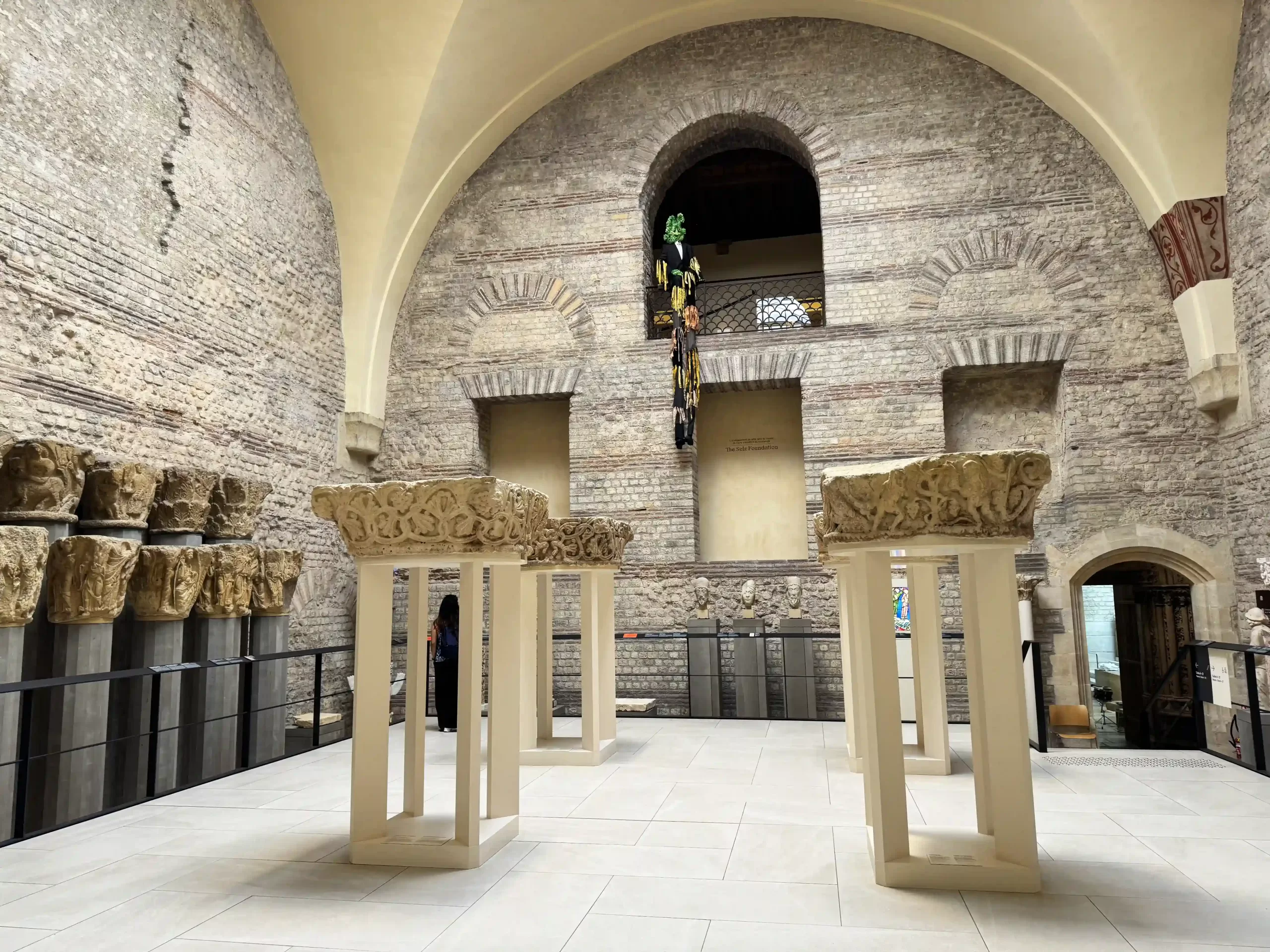
Cluny Museum
The Musée de Cluny is housed in a blend of Gallo-Roman ruins and a Gothic mansion that once served as the residence of the abbots of Cluny. It reopened in 2022 after extensive renovation and now presents a thematic, chronological journey through 1,000 years of medieval history.
The museum is most famous for the « The Lady and the Unicorn » tapestries—a series of six 15th-century masterpieces symbolizing the five senses and a mysterious « sixth sense. »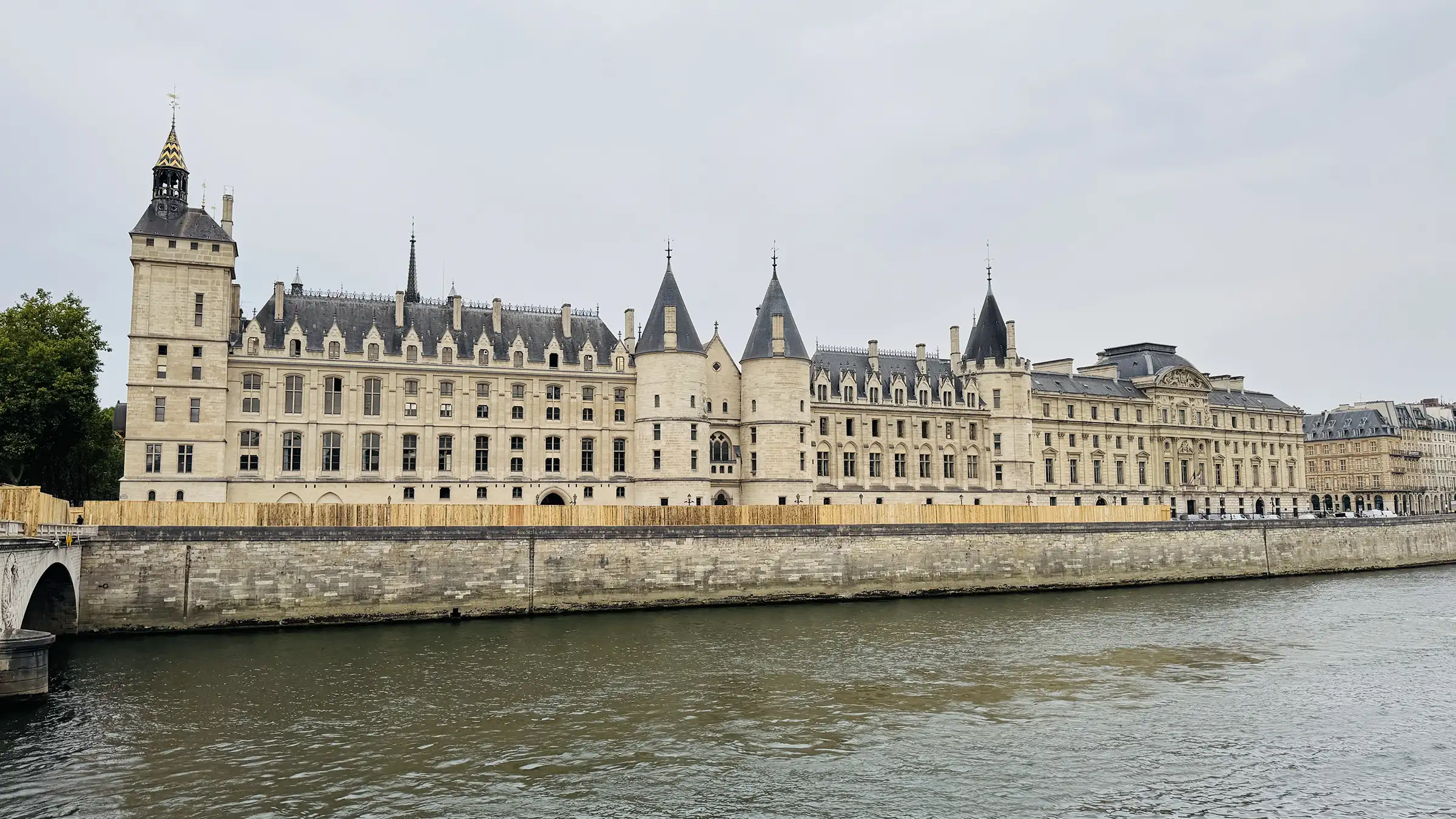
Conciergerie de Paris: Marie-Antoinette’s Prison Inside a Medieval Royal Palace
Long before it became one of the French Revolution’s most infamous prisons, the Conciergerie was the beating heart of medieval royal power in Paris. Built as part of the Capetian royal residence on the Île de la Cité, its Gothic halls and soaring Tour de l’Horloge — home to Paris’s oldest public clock — witnessed the transformation of the Palais de la Cité from a king’s home into the seat of French justice. When the Revolutionary Tribunal took over in 1793, the building’s cold stone cells held over 2,700 prisoners condemned to the guillotine, including Queen Marie-Antoinette herself. Today, visitors can walk through the vast medieval Grand’Salle, see a faithful reconstruction of the queen’s final cell, and use an interactive Histopad tablet to picture the palace as it stood eight centuries ago.
Police Prefecture Museum
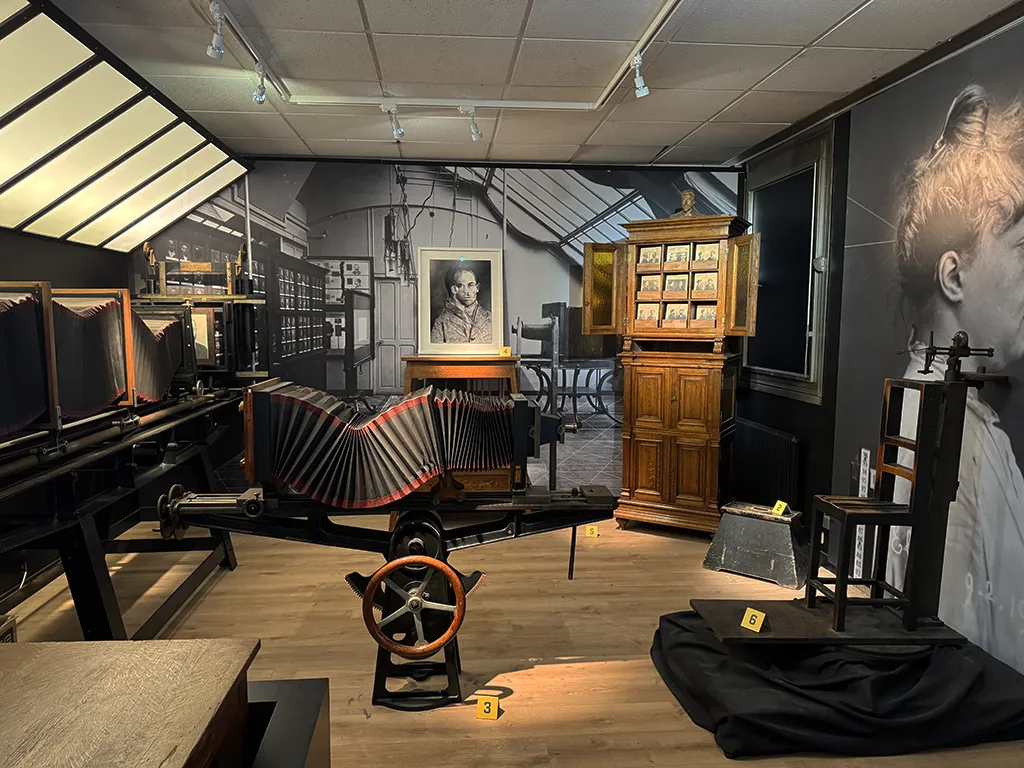
The Musée de la Préfecture de Police was founded in 1909 by Police Prefect Louis Lépine, who wanted to create a public archive of the Paris police’s history. The museum traces the evolution of law enforcement, criminal investigations, and famous cases in Paris, from the Middle Ages to modern times. It showcases artifacts such as ancient weapons, police uniforms, forensic tools, and documents from legendary cases like the Affair of Landru and the French Resistance during WWII. Today, the museum is a unique window into the history of crime, order, and justice in the French capital.