Discover Paris like a local
and plan your trip in 60 seconds
No endless tabs, no overthinking — just a plan built around your mood.
60 seconds, 5 simple questions
Get a plan that fits your vibe
No signup, no email
What’s Trending in Paris

The Medieval Festival of Provins 2026: Dive into the Largest Medieval Festival Near Paris

White Night at Château de Chantilly: A Magical Summer Evening Near Paris

Free Music Festival in Paris: Fête de la Musique 2026

7 Lesser-Known Museums Perfect for a Cold Afternoon in Paris

Fête des Vendanges de Montmartre 2025: A Local’s Guide to Paris’s Wine Harvest Festival

Christmas Markets in Paris 2025: Complete Updated Guide

Editor’s Picks
Nothing Found
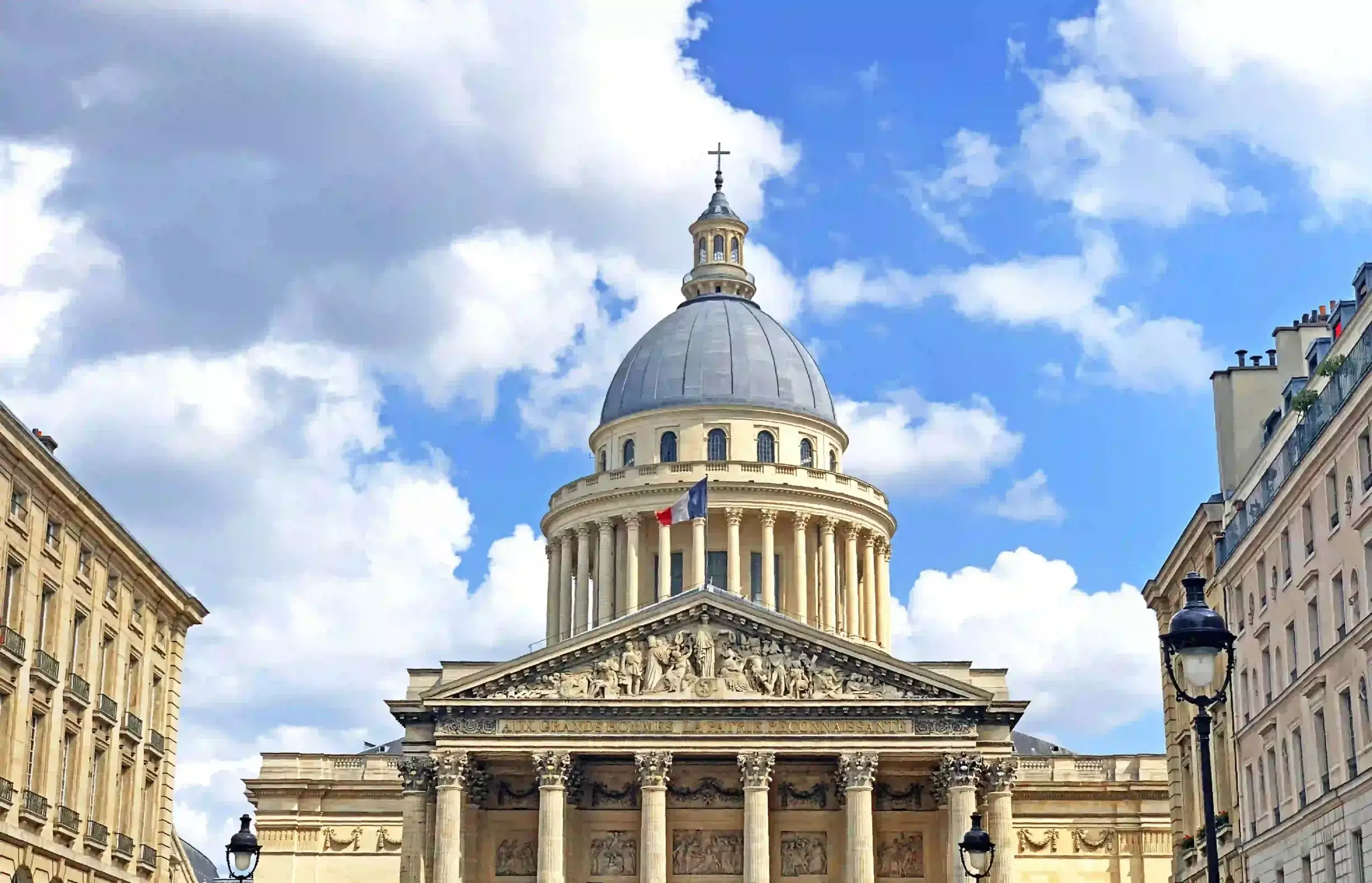
Panthéon Paris: Monument of French History
The Panthéon, originally built between 1758 and 1790 by Jacques-Germain Soufflot as a church, was secularized during the Revolution in 1791 to honor France’s greatest citizens. It oscillated between religious and civic use before becoming a steadfast mausoleum in 1885 with Victor Hugo’s entombment. Notable features—including Foucault’s Pendulum and the crypt—make it a monument to France’s intellectual legacy.
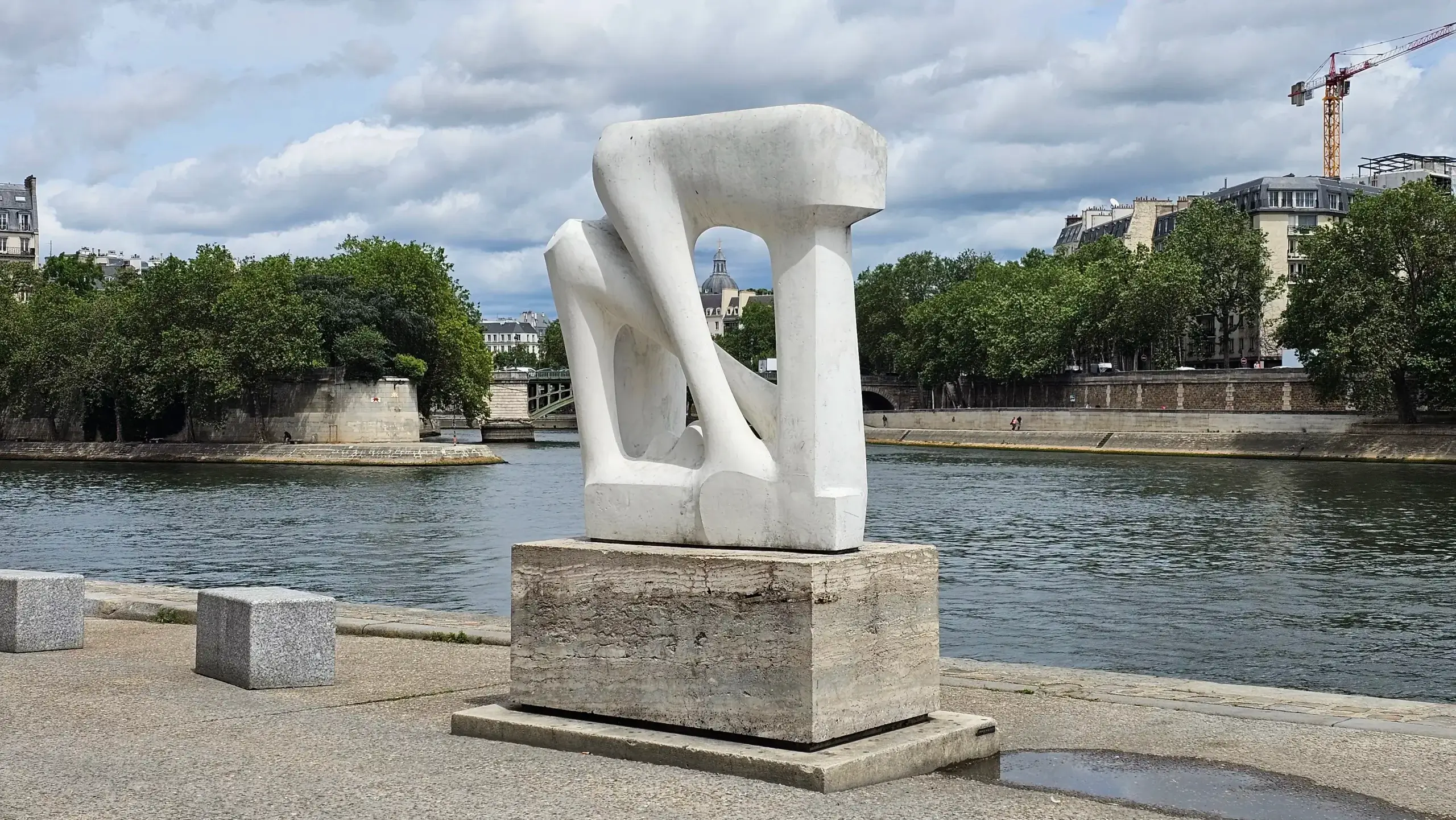
Jardin Tino Rossi
The Jardin Tino Rossi was created in 1975 along the Quai Saint-Bernard on the left bank of the Seine.
The garden is named after Tino Rossi, one of France’s most beloved singers of the 20th century, famous for classics such as Petit Papa Noël.
One of the garden’s defining features is its open-air sculpture museum, officially known as the Musée de la Sculpture en Plein Air. Established in 1980, it showcases dozens of contemporary sculptures by international artists, transforming the riverside into an outdoor art gallery.
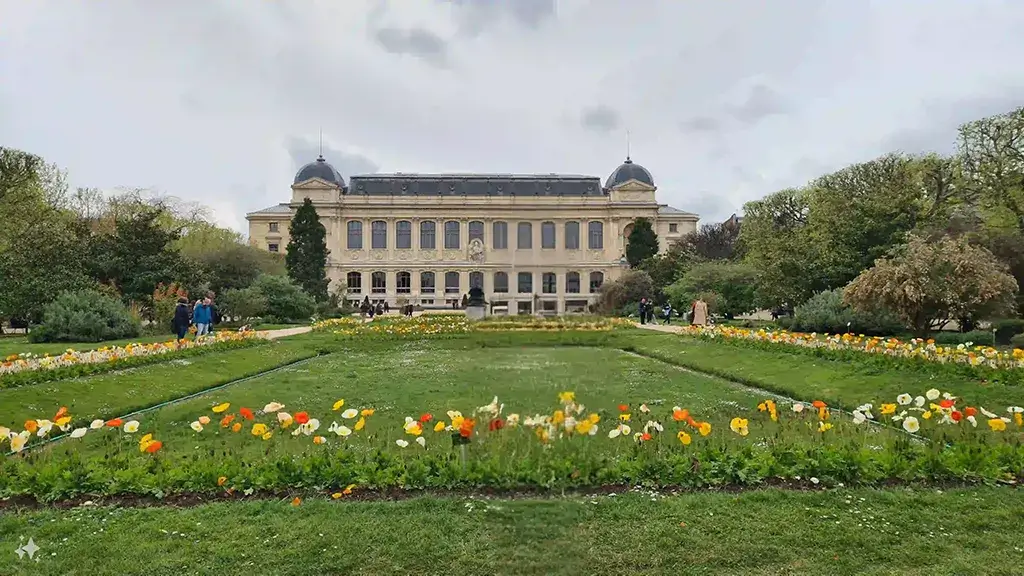
Jardin des Plantes
Founded in 1626 as a royal medicinal herb garden for Louis XIII, the Jardin des Plantes opened to the public in 1640. It later became part of the French National Museum of Natural History during the Revolution. Today, it is not only a vast botanical garden but also houses the Menagerie Zoo, the Grande Galerie de l’Évolution, mineralogy and paleontology galleries, and several historic greenhouses. It remains a center of science, education, and recreation for locals and visitors alike.
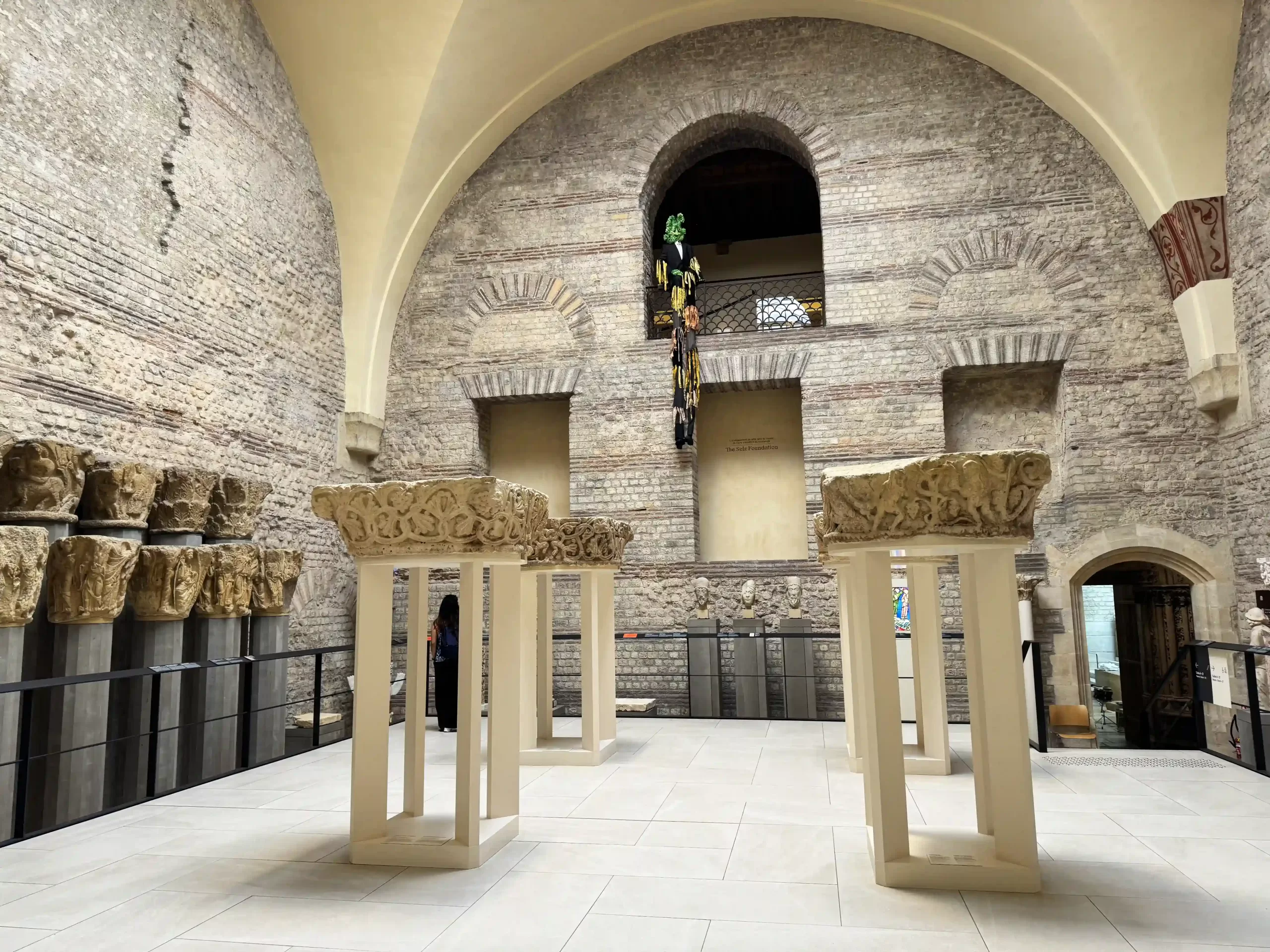
Cluny Museum
The Musée de Cluny is housed in a blend of Gallo-Roman ruins and a Gothic mansion that once served as the residence of the abbots of Cluny. It reopened in 2022 after extensive renovation and now presents a thematic, chronological journey through 1,000 years of medieval history.
The museum is most famous for the « The Lady and the Unicorn » tapestries—a series of six 15th-century masterpieces symbolizing the five senses and a mysterious « sixth sense. »Carnavalet Museum: Paris History & City Secrets
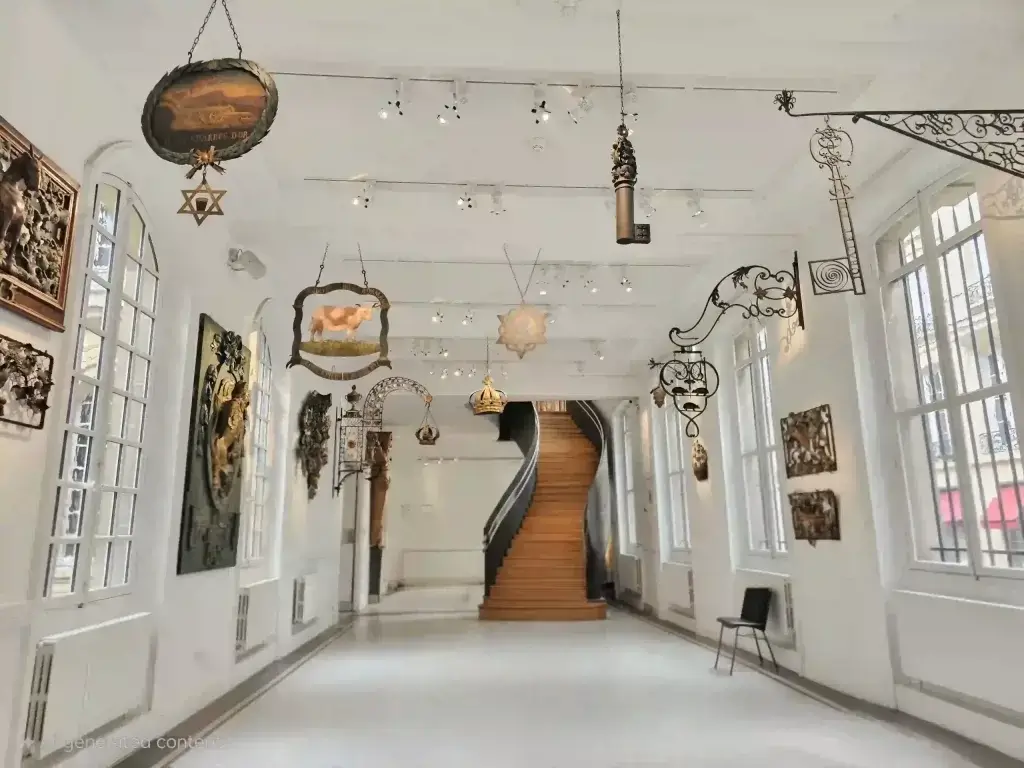
One of the oldest museums dedicated to Paris’s story, Musée Carnavalet opened in 1880 in the Renaissance Hôtel Carnavalet (built 1548–1560) and expanded over time—including the annexation of Hôtel Le Peletier de Saint-Fargeau in 1989. Closed for major renovations in 2016, it reopened in March 2021 with rich new displays and modernized visitor paths, offering over 625,000 artifacts chronicling Paris from prehistory to today.
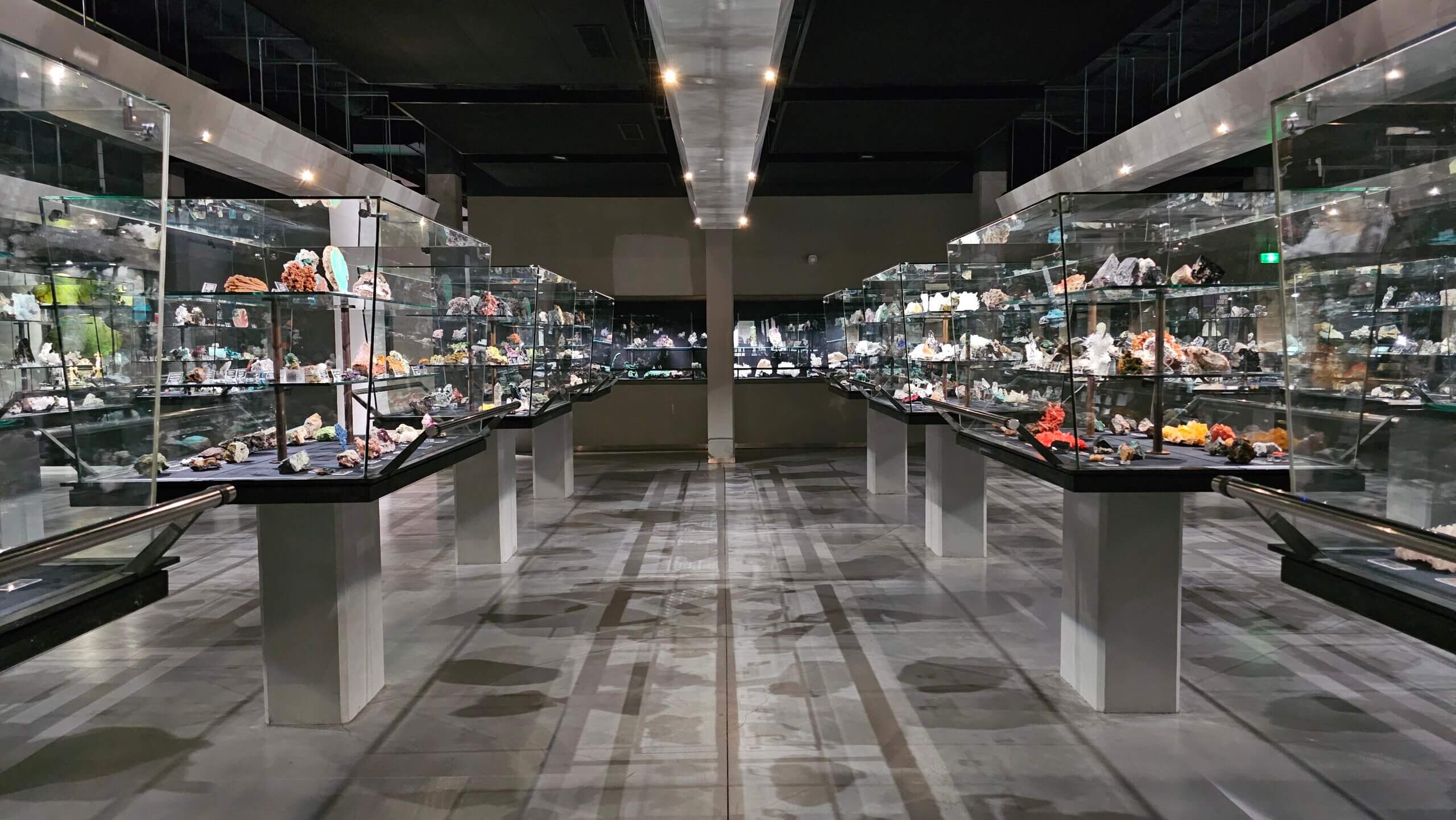
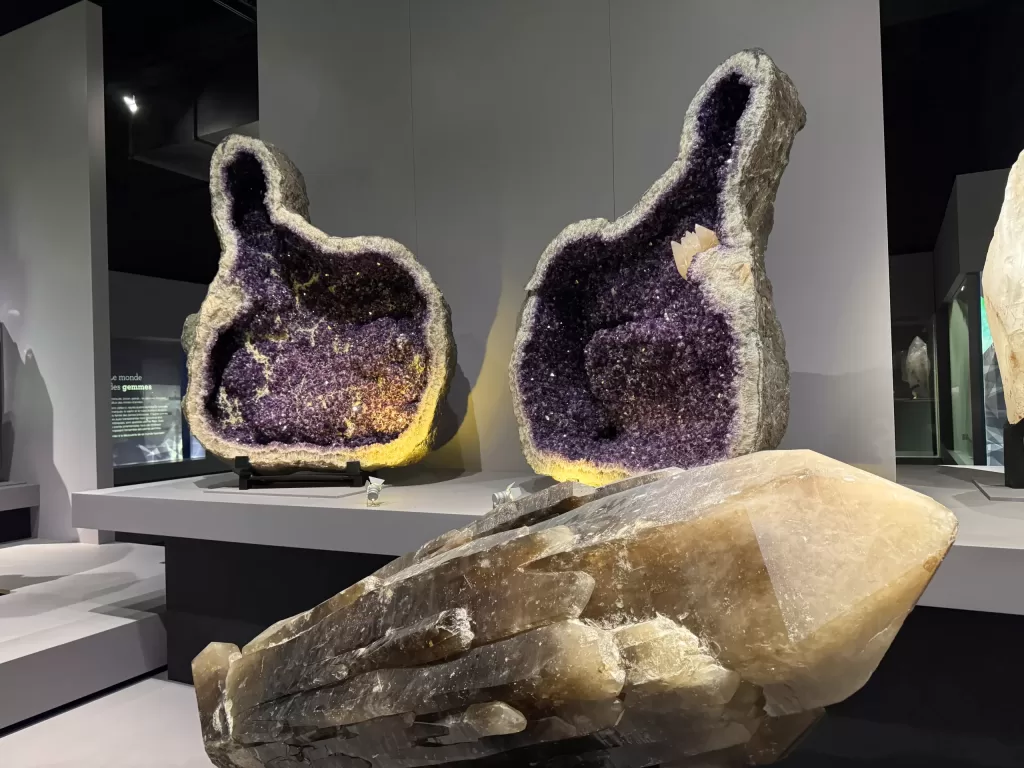
Le Musée des Minéraux de la Sorbonne
The Musée des Minéraux de la Sorbonne traces its origins to 1823, when French mineralogist François-Sulpice Beudant began assembling a scientific mineral collection for educational and research purposes.
Over the following two centuries, the collection grew through scientific expeditions, donations, acquisitions, and exchanges with institutions worldwide. Today, it houses nearly 16,000 mineral specimens, making it one of France’s most important university mineral collections.
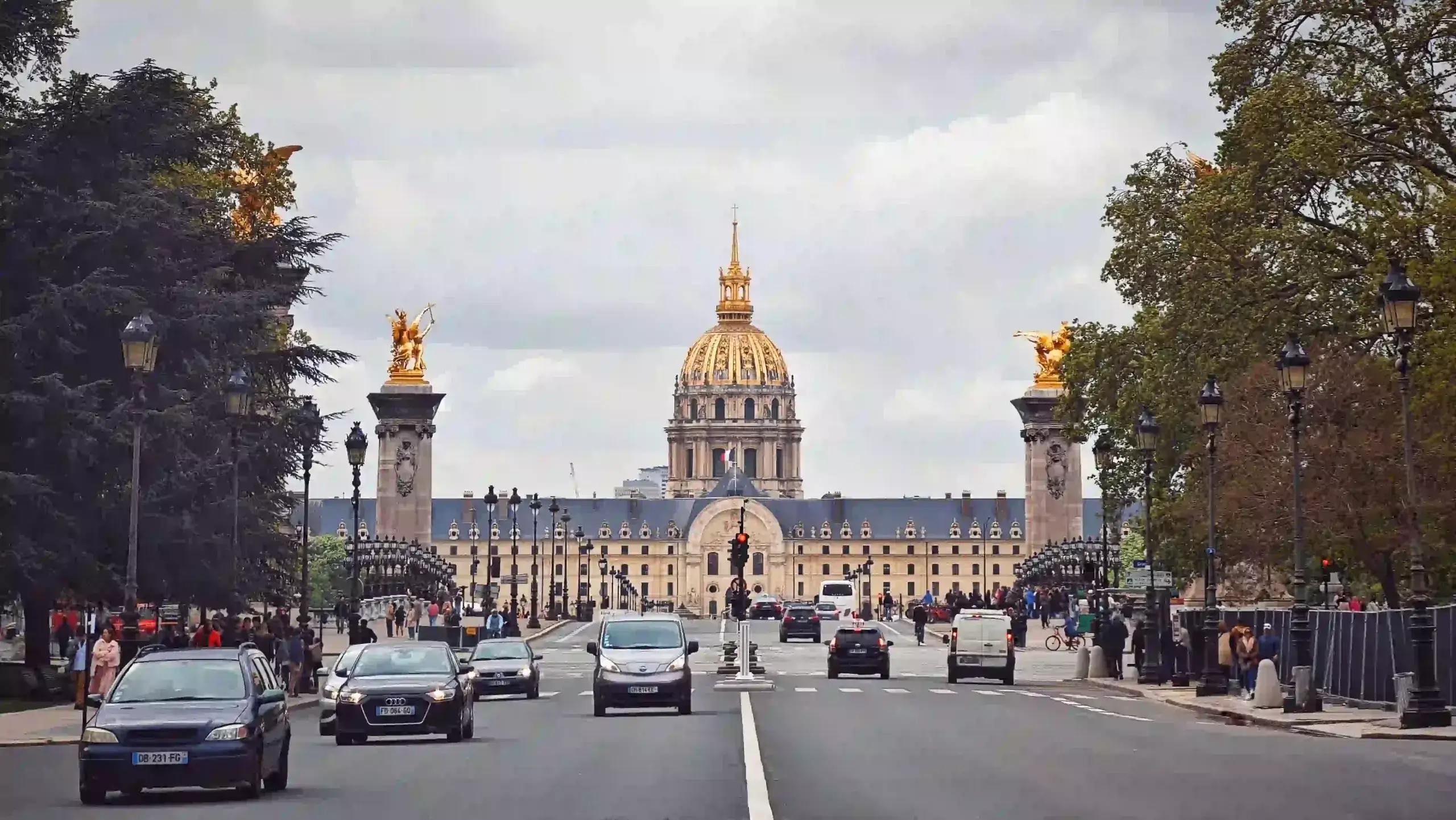
Hôtel des Invalides
Founded by Louis XIV in 1670 as a royal hospital and retirement home for wounded soldiers, Hôtel des Invalides was designed by architect Libéral Bruant, with the iconic golden-domed Église du Dôme completed by Jules Hardouin-Mansart in 1706.
After the French Revolution, the building was renamed Hôtel national des Invalides and gradually evolved into a patriotic symbol. In 1840, the tomb of Napoleon I was placed under the Dôme. The Musée de l’Armée, one of the world’s leading military history museums, was established in the complex by 1905.
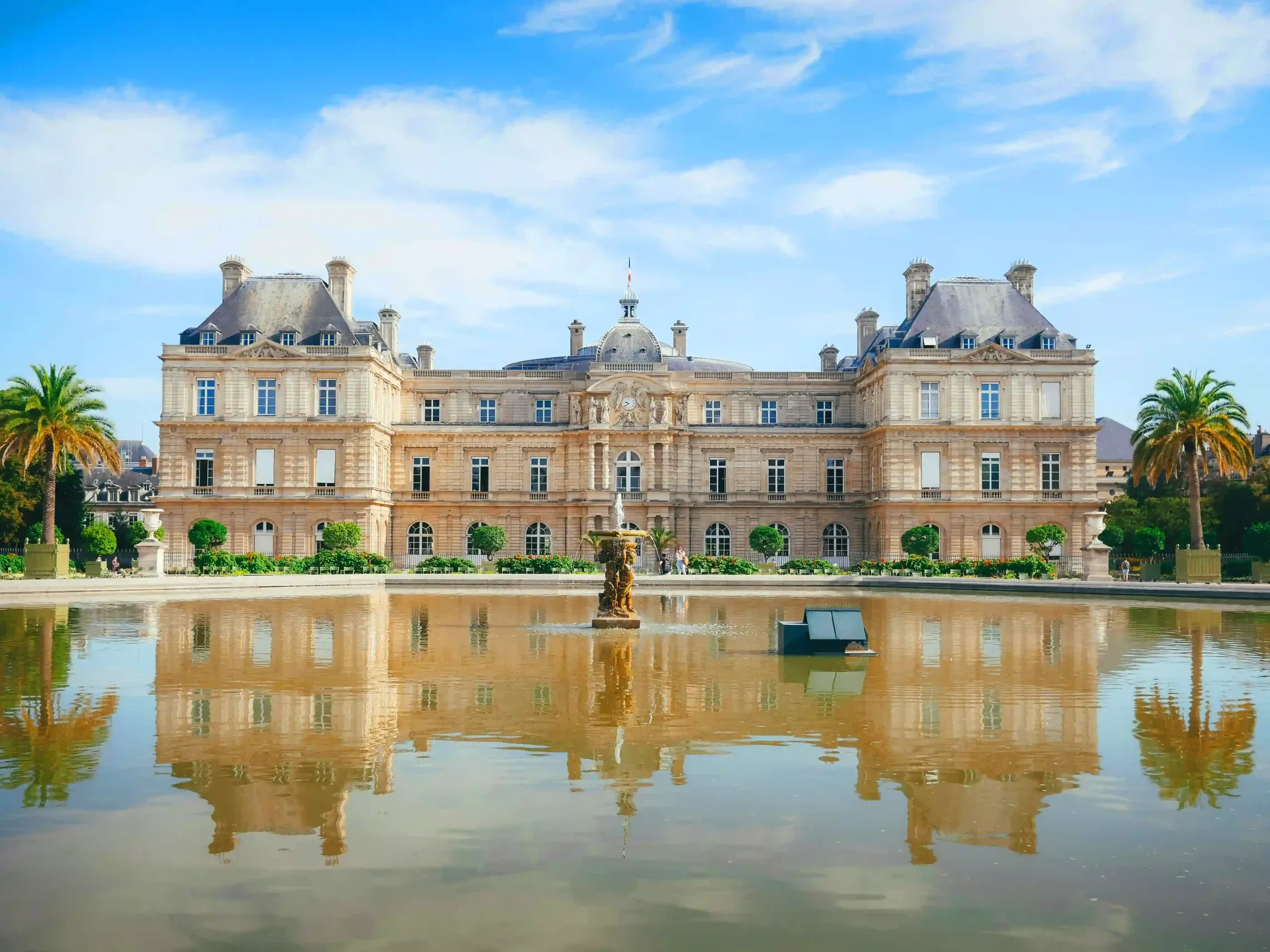
Luxembourg Garden Paris: Travel Tips & Opening Hours
Commissioned by Queen Marie de Medici in 1612,
the Jardin du Luxembourg was inspired by the Boboli
Gardens of Florence. Centered around the Palais du
Luxembourg (now the French Senate), the 25-hectare
park offers classical French and English-style gardens,
ornamental fountains, and nearly 100 statues.
A beloved Parisian retreat, the garden serves as a
vibrant cultural and social hub, featuring art exhibitions,
concerts, and public leisure spaces.Gallery of Mineralogy and Geology
Founded in 1833, the Gallery of Mineralogy and Geology was created to house one of the world’s most prestigious collections of minerals, crystals, gemstones, and meteorites. As part of the Muséum national d’Histoire naturelle, it became a scientific hub for geology and mineralogy research. Over the centuries, the collection grew to include tens of thousands of specimens, including extraordinary gems once belonging to French royalty. Today, it serves as both a research center and a dazzling exhibition space for the public.
Great Gallery of Evolution
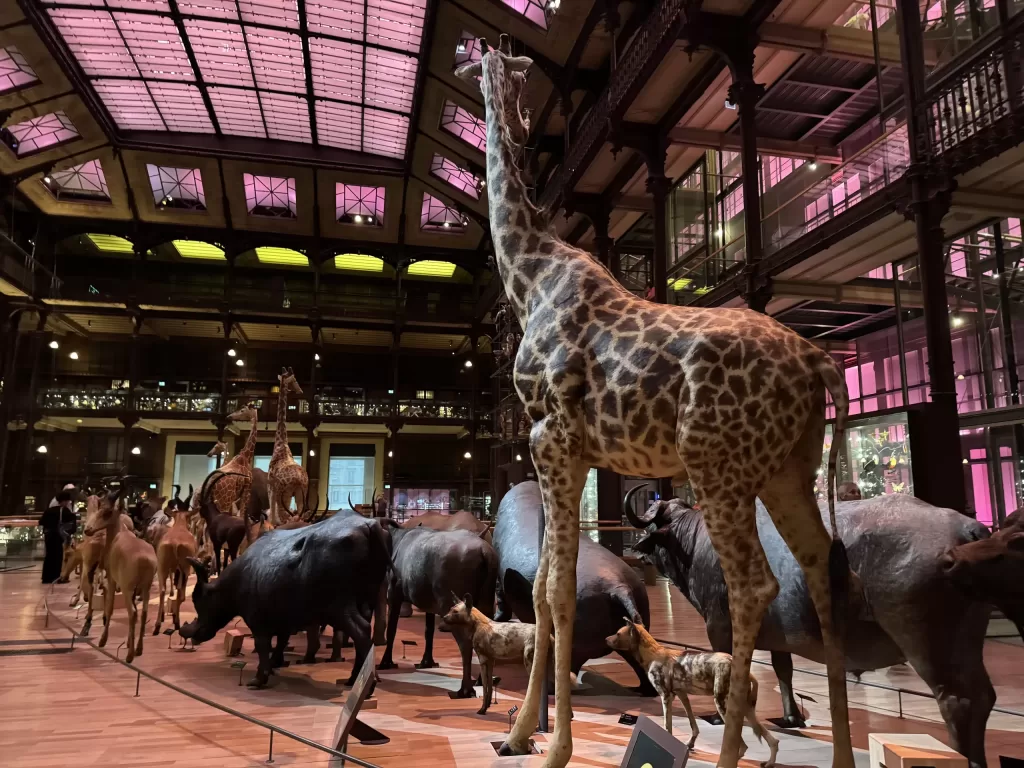
The Grande Galerie de l’Évolution – From Zoology to Wonder
When it first opened in 1889 as the Galerie de Zoologie, this magnificent glass-and-iron hall was a temple dedicated to the diversity of life, showcasing exotic animals from around the world. For decades, it dazzled visitors, but by 1965 the building fell into neglect and closed its doors.Nearly 30 years later, in 1994, it was reborn as the Grande Galerie de l’Évolution, transformed into a modern, immersive museum. Today, visitors walk among life-sized elephants, whales, and lions in dramatic displays that celebrate biodiversity while reminding us of humanity’s impact on nature.
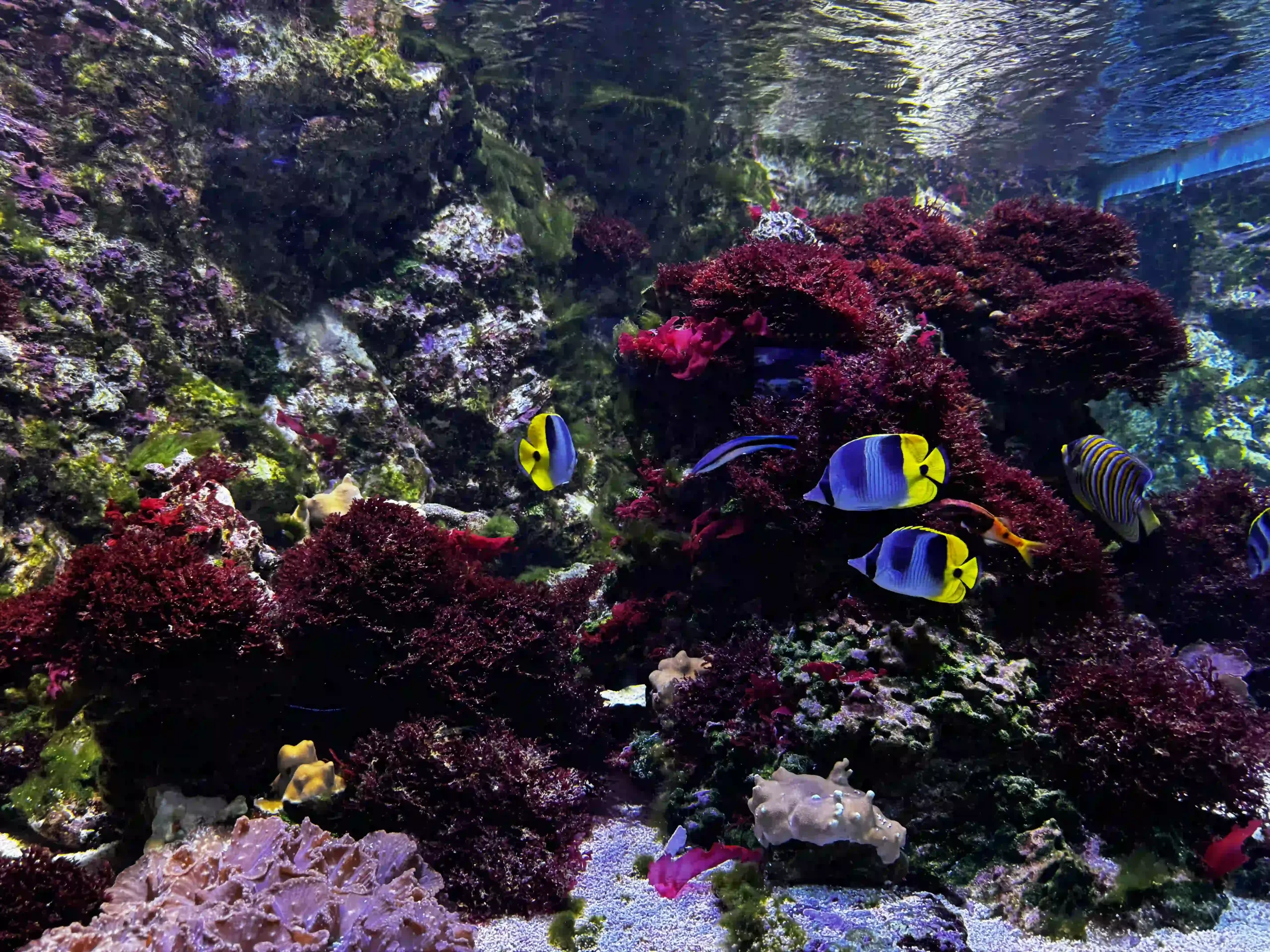
Tropical Aquarium
Founded in 1931 for the Paris Colonial Exhibition, the Tropical Aquarium is located in the Palais de la Porte Dorée, a stunning Art Deco building in eastern Paris. It was one of the first public aquariums in France and remains a popular educational site for biodiversity and marine conservation.
The aquarium hosts over 5,000 animals from 300 species across ecosystems including Amazonian rivers, African lakes, Indo-Pacific coral reefs, and mangroves.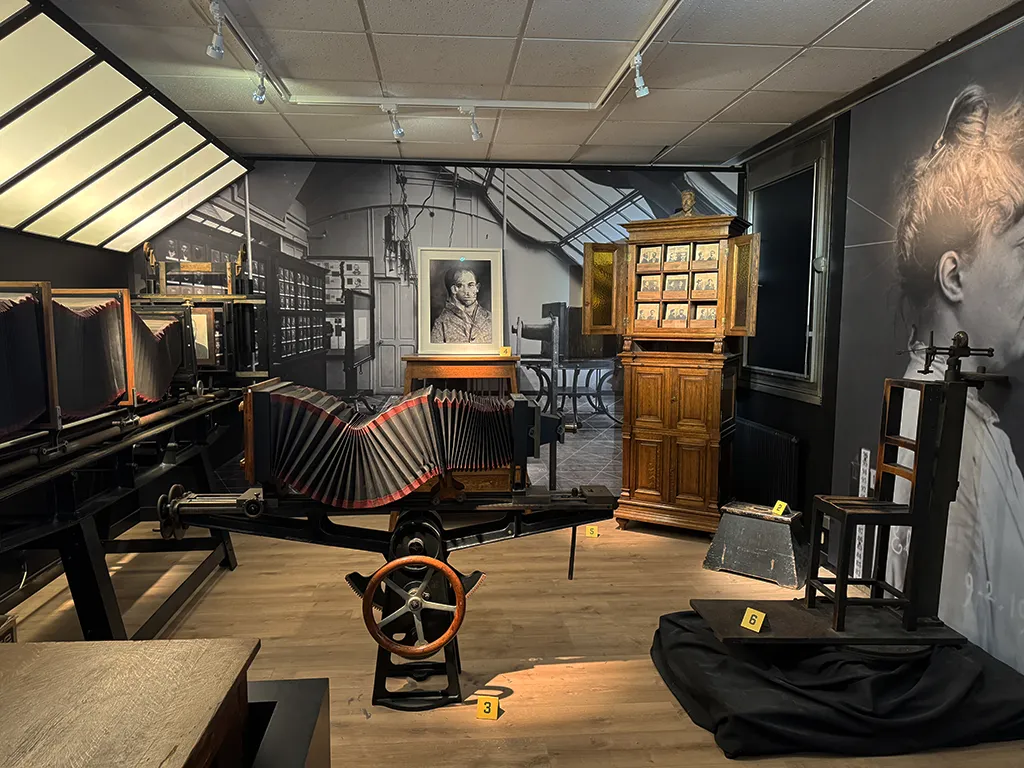
Police Prefecture Museum
The Musée de la Préfecture de Police was founded in 1909 by Police Prefect Louis Lépine, who wanted to create a public archive of the Paris police’s history. The museum traces the evolution of law enforcement, criminal investigations, and famous cases in Paris, from the Middle Ages to modern times. It showcases artifacts such as ancient weapons, police uniforms, forensic tools, and documents from legendary cases like the Affair of Landru and the French Resistance during WWII. Today, the museum is a unique window into the history of crime, order, and justice in the French capital.