Discover Paris like a local
and plan your trip in 60 seconds
No endless tabs, no overthinking — just a plan built around your mood.
60 seconds, 5 simple questions
Get a plan that fits your vibe
No signup, no email
What’s Trending in Paris

Best Neighborhoods to Stay in Paris and Why?
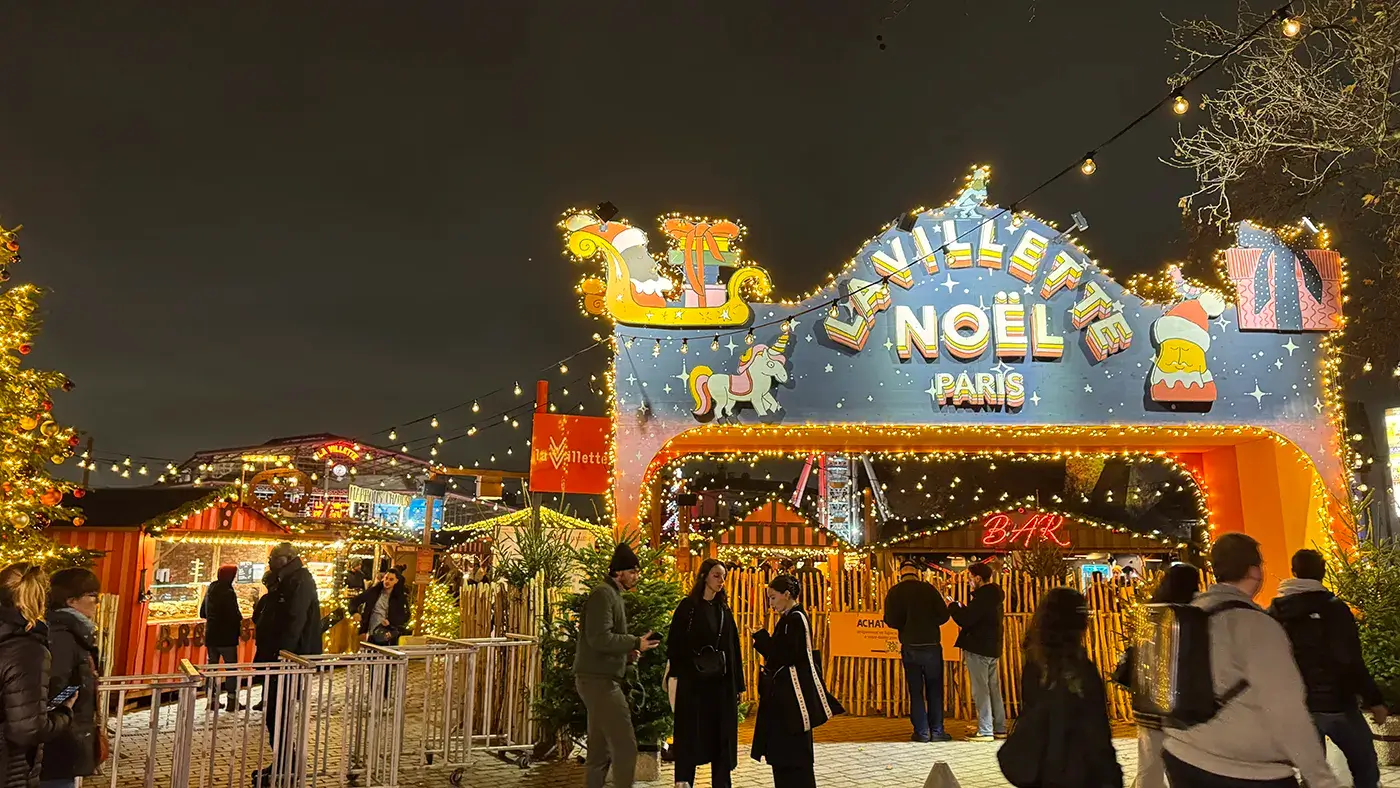
Is Paris Worth Visiting at Christmas? Pros & Insider Tips
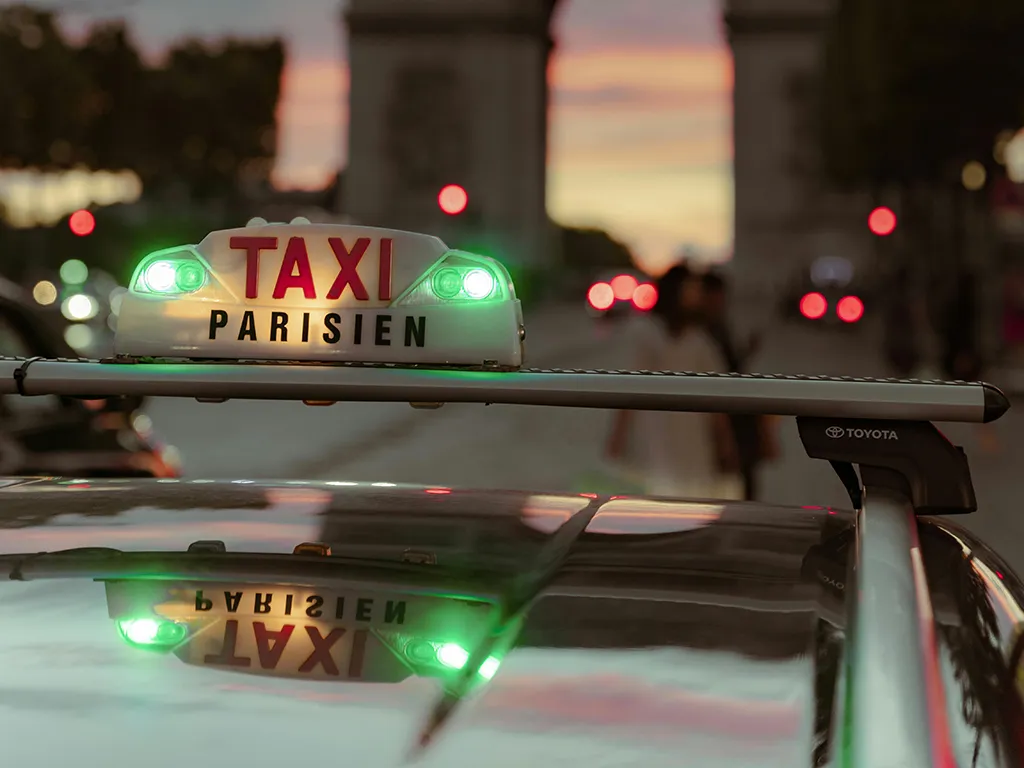
Best Ways to Get from CDG Airport to Paris
Avoid These Expensive Mistakes Tourists Make in Paris
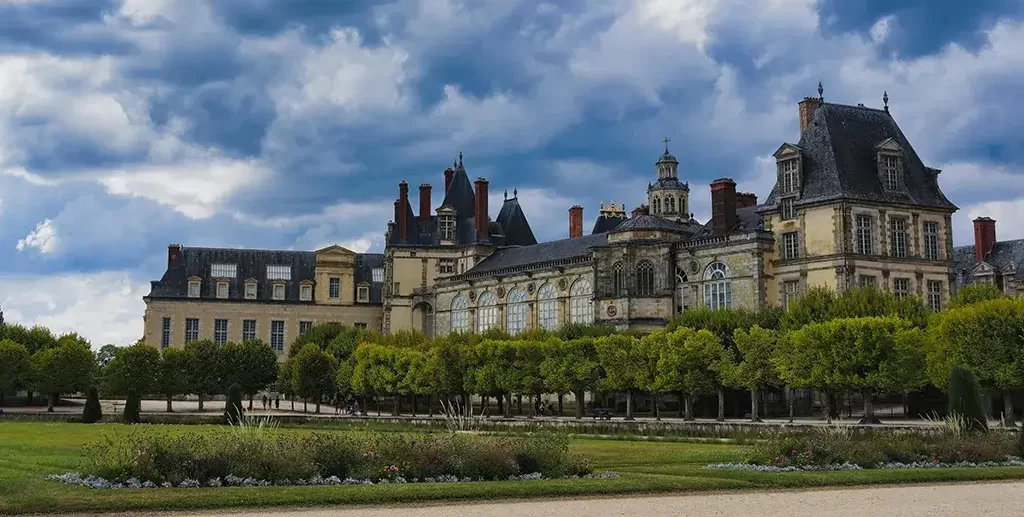
Day Trip from Paris: Discover Fontainebleau Château & Forest
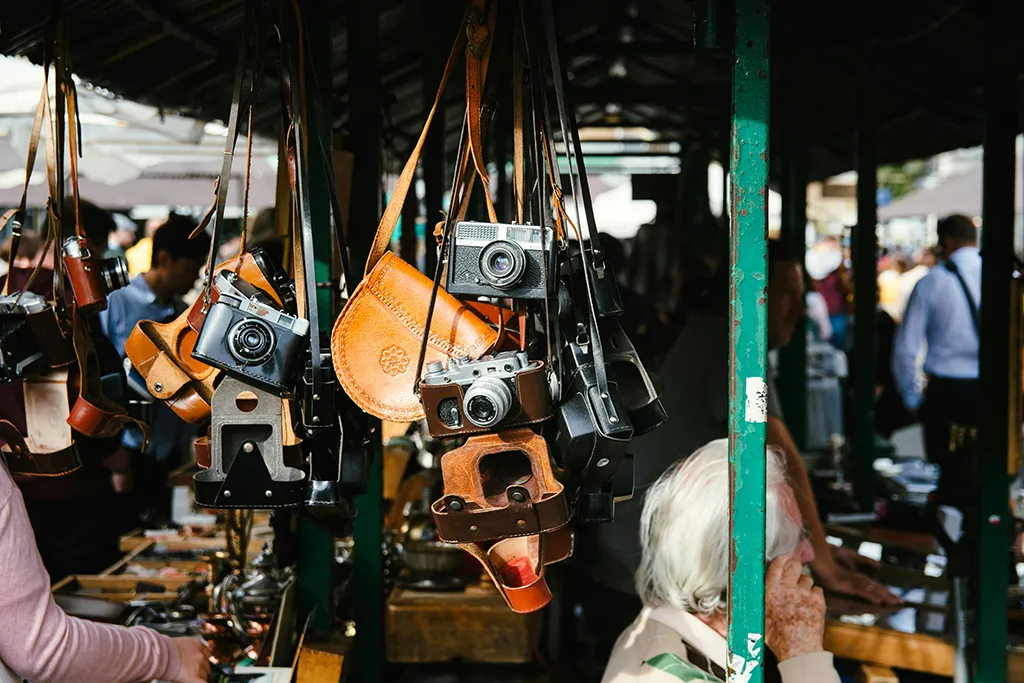
Paris Winter Markets: Food, Flea & Local Treasures
Editor’s Picks
Nothing Found
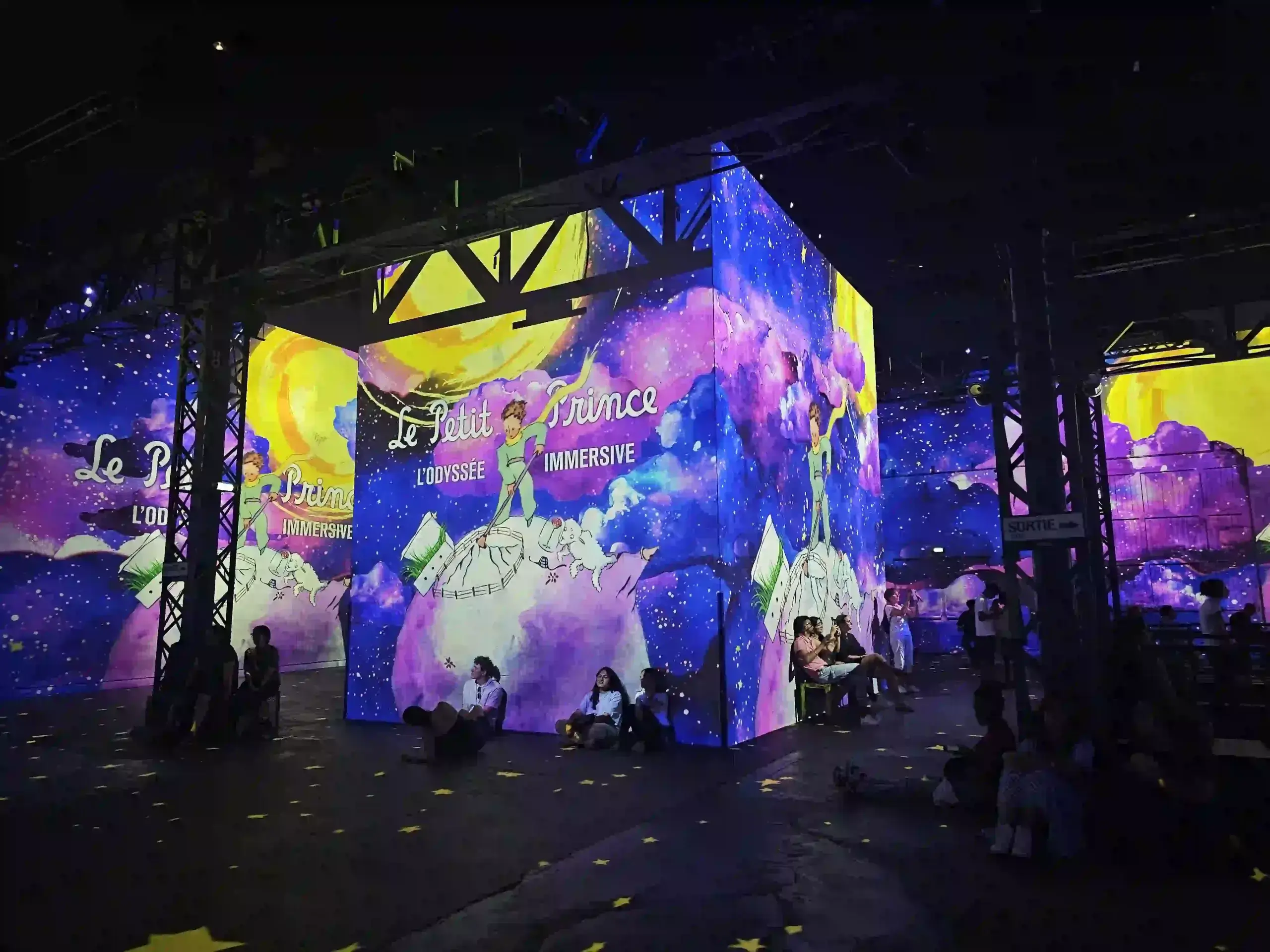
Atelier des Lumières
The Atelier des Lumières opened in 2018 as Paris’s first fully digital art center, transforming a 19th-century foundry into a space for immersive exhibitions. Created by Culturespaces, it uses 140 projectors and a unique sound system to bring masterpieces of Van Gogh, Klimt, Monet, and others to life on walls up to 10 meters high. It quickly became one of Paris’s most innovative cultural attractions, merging art, technology, and architecture for a multisensory experience.

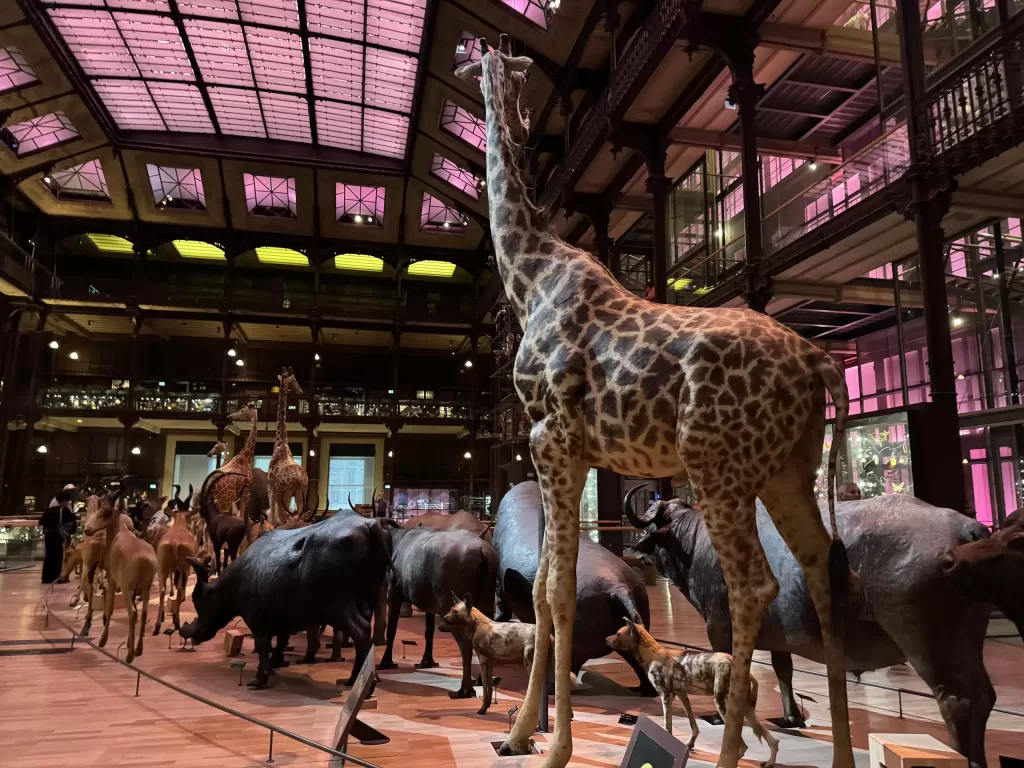
Great Gallery of Evolution
The Grande Galerie de l’Évolution – From Zoology to Wonder
When it first opened in 1889 as the Galerie de Zoologie, this magnificent glass-and-iron hall was a temple dedicated to the diversity of life, showcasing exotic animals from around the world. For decades, it dazzled visitors, but by 1965 the building fell into neglect and closed its doors.Nearly 30 years later, in 1994, it was reborn as the Grande Galerie de l’Évolution, transformed into a modern, immersive museum. Today, visitors walk among life-sized elephants, whales, and lions in dramatic displays that celebrate biodiversity while reminding us of humanity’s impact on nature.
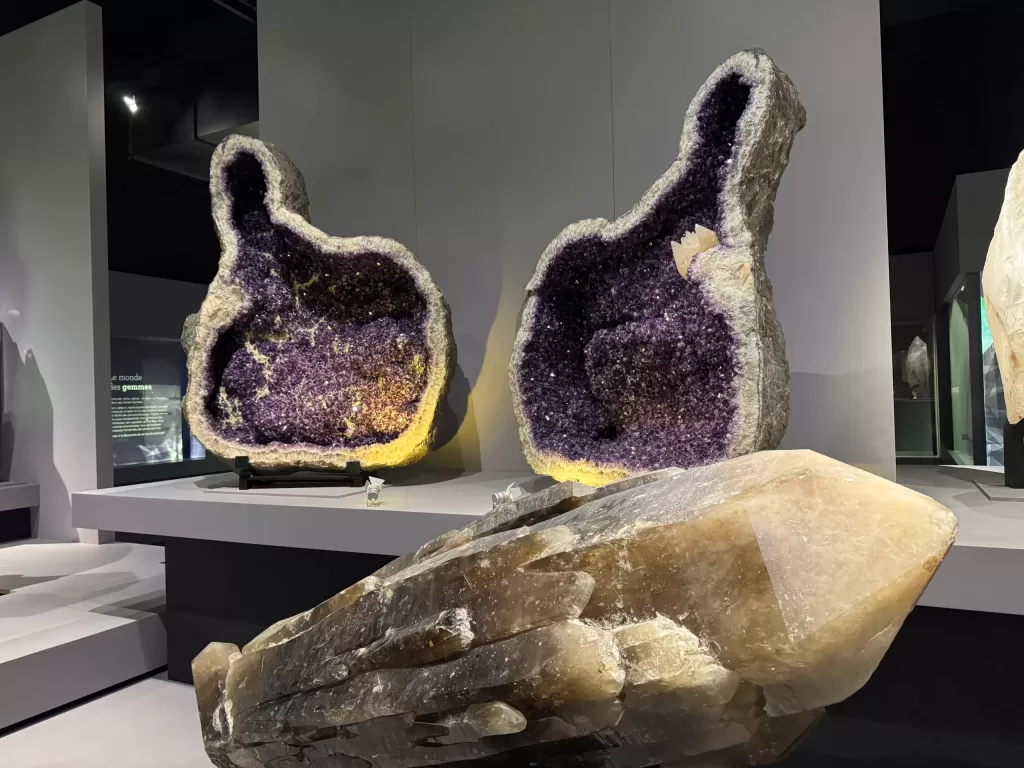
Gallery of Mineralogy and Geology
Founded in 1833, the Gallery of Mineralogy and Geology was created to house one of the world’s most prestigious collections of minerals, crystals, gemstones, and meteorites. As part of the Muséum national d’Histoire naturelle, it became a scientific hub for geology and mineralogy research. Over the centuries, the collection grew to include tens of thousands of specimens, including extraordinary gems once belonging to French royalty. Today, it serves as both a research center and a dazzling exhibition space for the public.
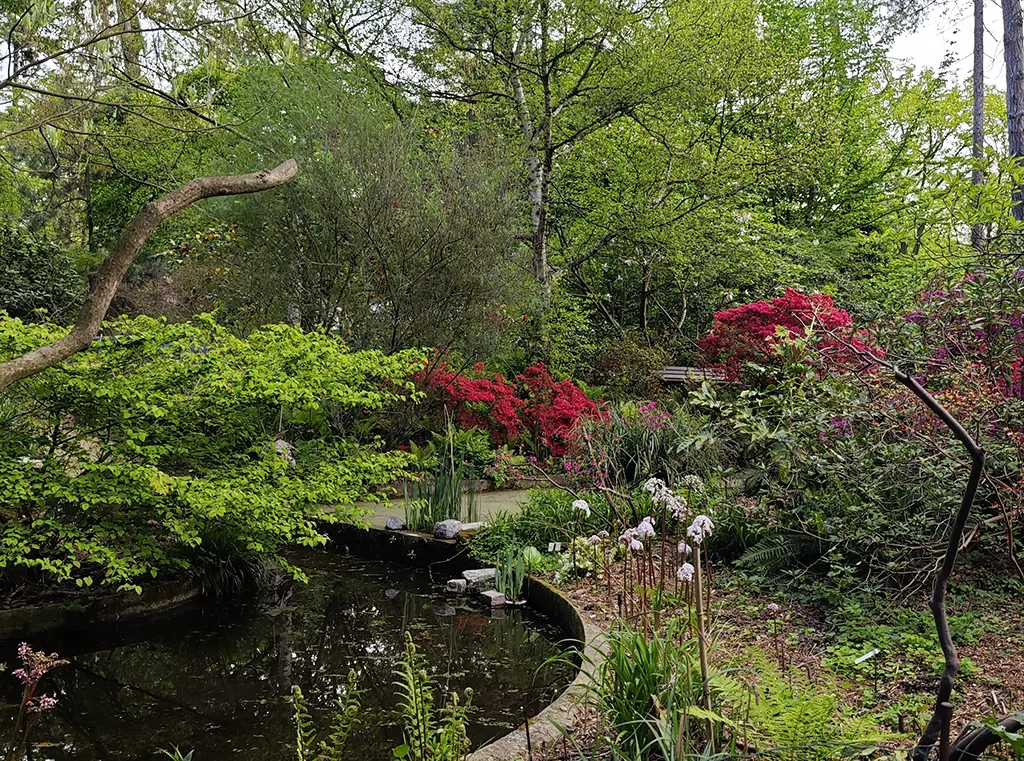
Parc Floral Paris – Botanical Gardens & Family Fun
The Parc Floral de Paris was created in 1969 for the Third International Flower Show, becoming Paris’s newest botanical park. Designed as both a botanical garden and leisure park, it combines themed gardens (iris, dahlias, bonsais, medicinal plants) with recreational areas. Over the decades, it has become one of Paris’s most beloved green spaces, hosting cultural events, plant shows, and music festivals while serving as a center for biodiversity in the Bois de Vincennes.
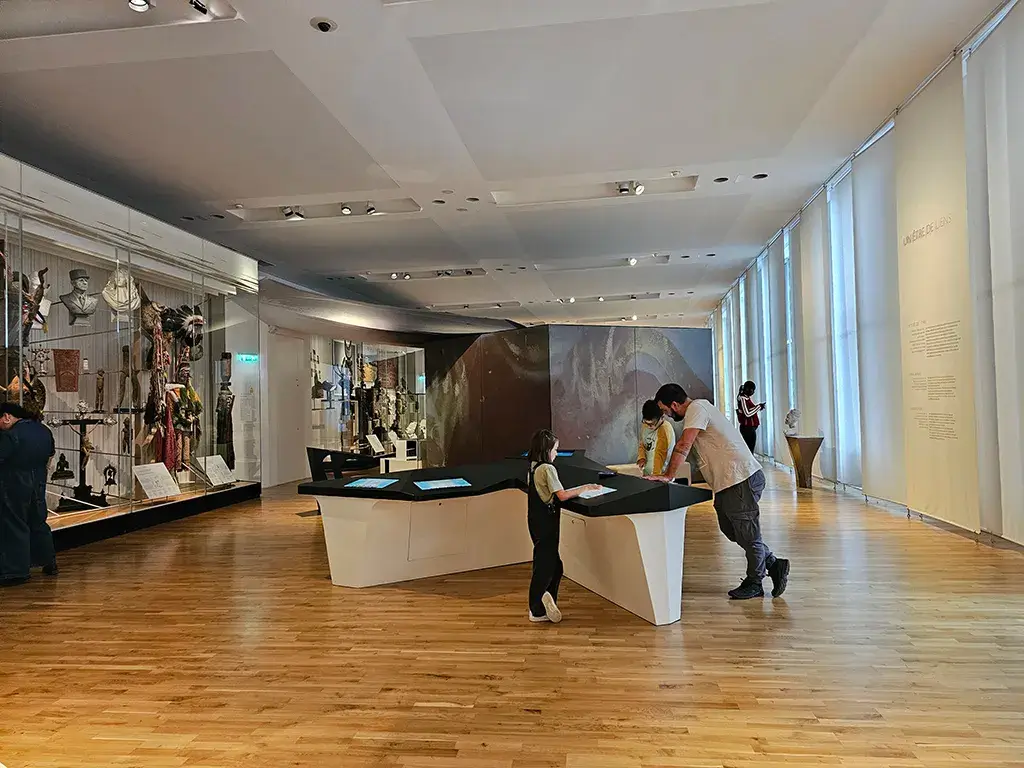
Musée de l’Homme Paris: Explore Human Evolution
Founded in 1937 by the visionary ethnologist Paul Rivet, the Musée de l’Homme was established to showcase humanity’s biological, cultural, and social evolution. It replaced the former Musée d’Ethnographie at the Trocadéro and became a hub for anthropological research. After a major renovation between 2009 and 2015, the museum reopened with a modern, interactive layout that connects visitors to the story of humankind — from prehistoric origins to global cultural diversity.
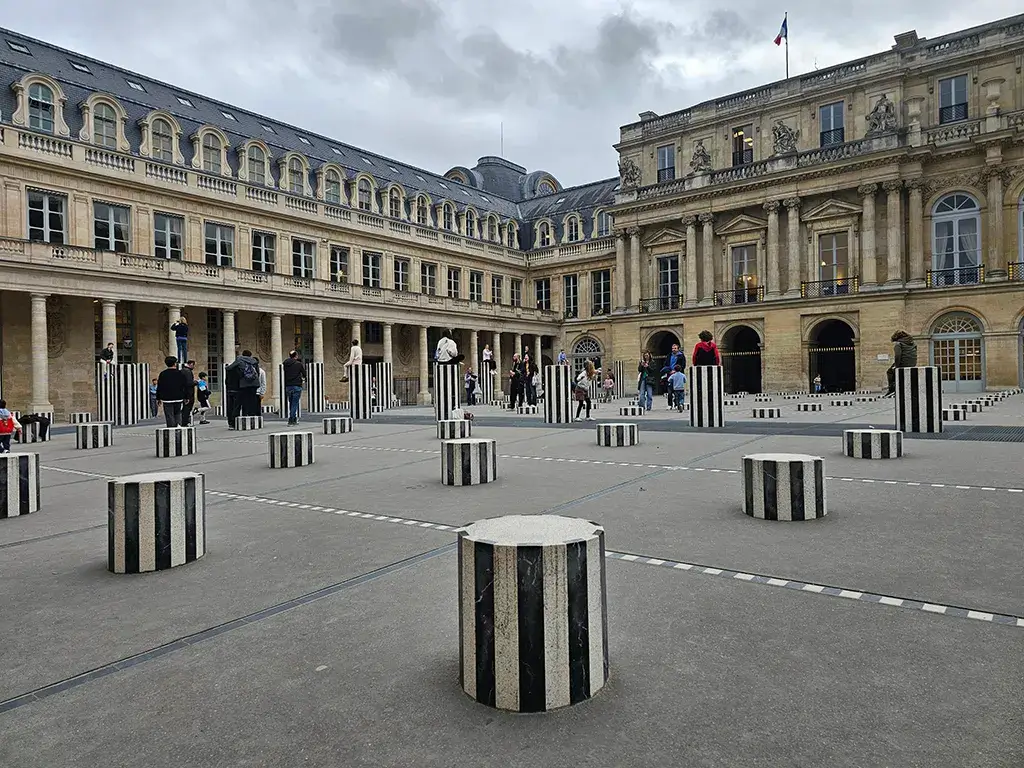
Domaine National du Palais-Royal
The Palais-Royal was built in 1633 by Cardinal Richelieu, who gifted it to the crown. After his death, it became the residence of royal figures, including Louis XIV in his youth. In the 18th century, the Palais-Royal’s arcades turned into a hub of cafés, theaters, and political debate, playing a central role in the French Revolution. Today, it houses the Conseil d’État, the Constitutional Council, and the Comédie-Française, while its gardens remain open to the public as a symbol of Parisian elegance.
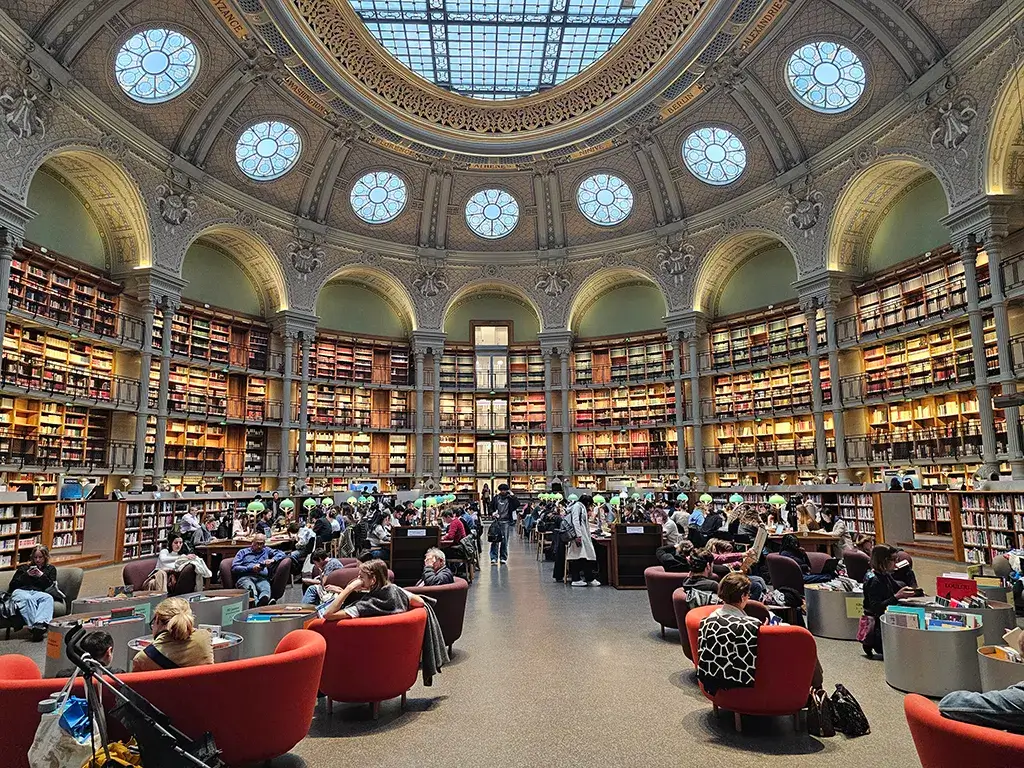
Musée de la BnF: Discover France’s Historic Library
The Bibliothèque nationale de France (BnF), founded in 1368 under King Charles V, is one of the oldest and most prestigious libraries in the world. The Richelieu site, opened in 1721, served as the historical home of the national collections for manuscripts, prints, maps, and coins.
The building’s 19th-century renovation by Henri Labrouste introduced the breathtaking Oval Reading Room, a symbol of French academic architecture. After decades of expansion, a major restoration project (2010–2022) revitalized the site, leading to the reopening of the Musée de la BnF, a museum dedicated to showcasing the nation’s artistic and intellectual treasures.
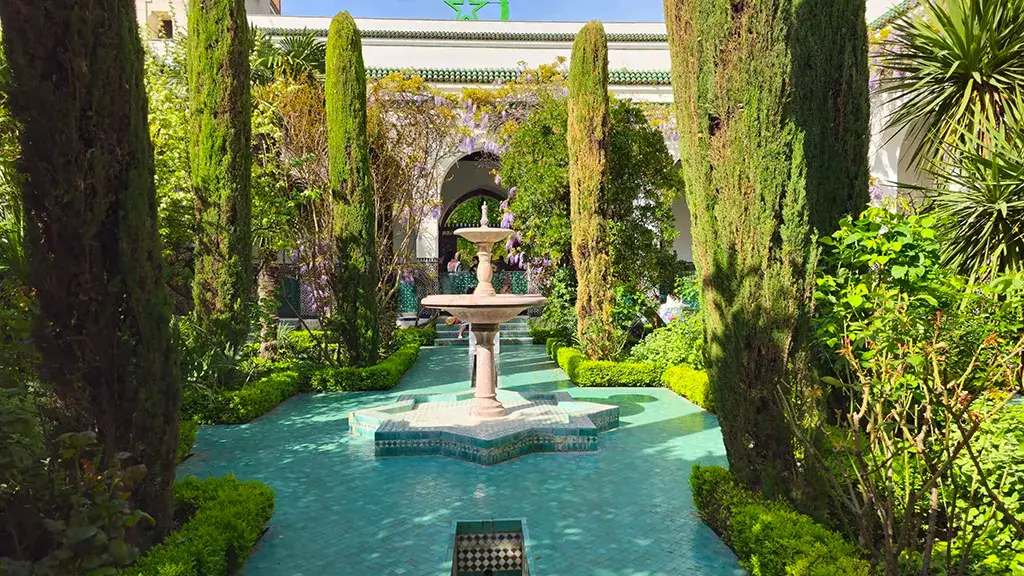
Grande Mosquée de Paris
The Grande Mosquée de Paris was built between 1922 and 1926 and officially inaugurated in 1926.
Its construction was commissioned by the French government to honor the approximately 100,000 Muslim soldiers from French colonies who died fighting for France during World War I. At the time, it became one of the first major Islamic monuments built in modern Western Europe.
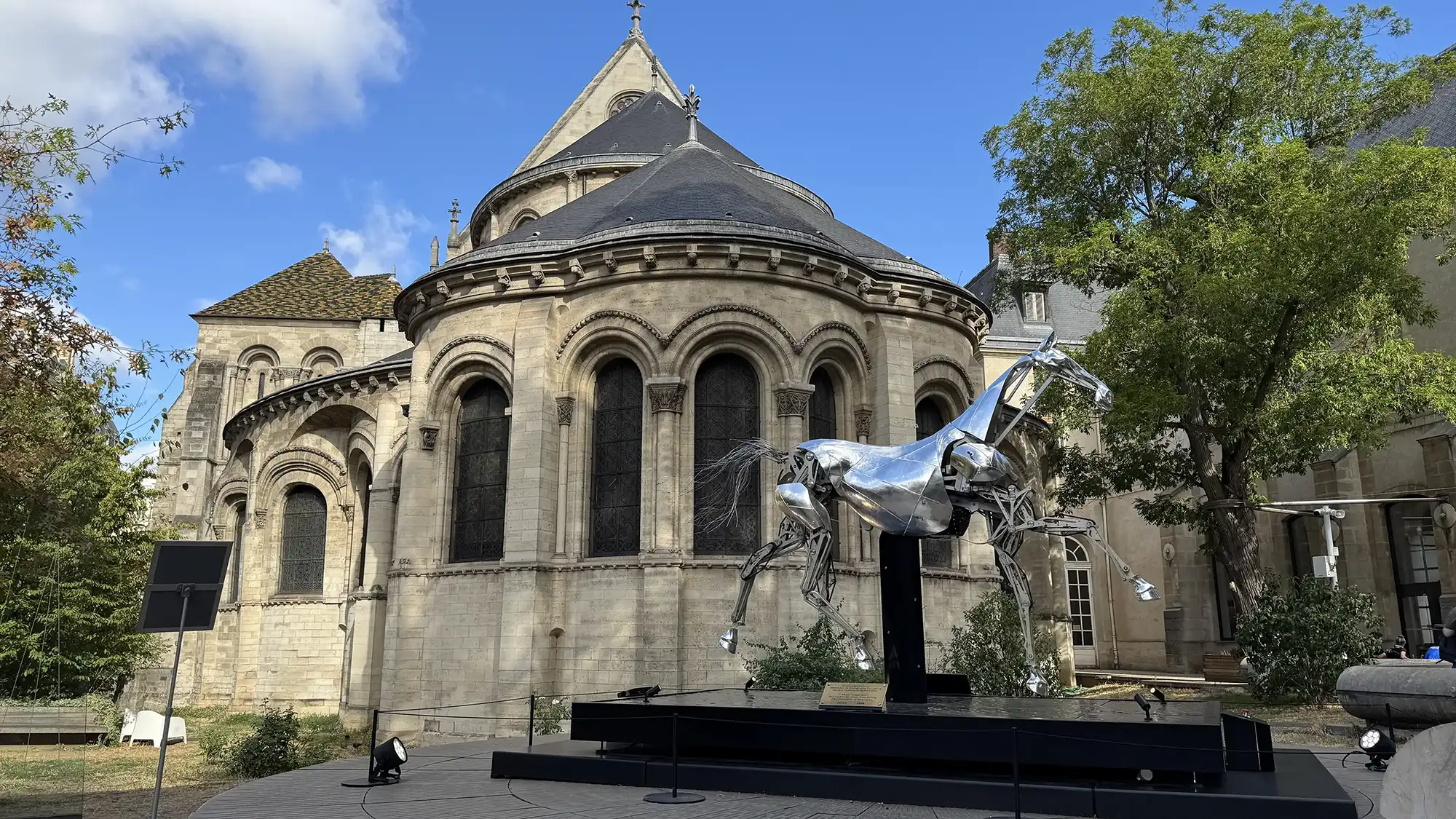
Musée des Arts et Métiers: Paris’s Hidden Museum of Inventions
The Musée des Arts et Métiers occupies the former priory of Saint-Martin-des-Champs, a medieval monastery whose church dates back to the 12th century. After the French Revolution the site became home to the Conservatoire national des arts et métiers (Cnam), founded in 1794 to preserve and share scientific and technical knowledge, and the museum opened to visitors in 1802.
Today the collection counts around 80,000 objects, of which roughly 2,500 are on display in Paris. Highlights include Blaise Pascal’s calculating machine, Clément Ader’s Avion III, Louis Blériot’s Blériot XI, Lavoisier’s laboratory instruments and Nicolas Cugnot’s steam-powered « fardier » of 1770.
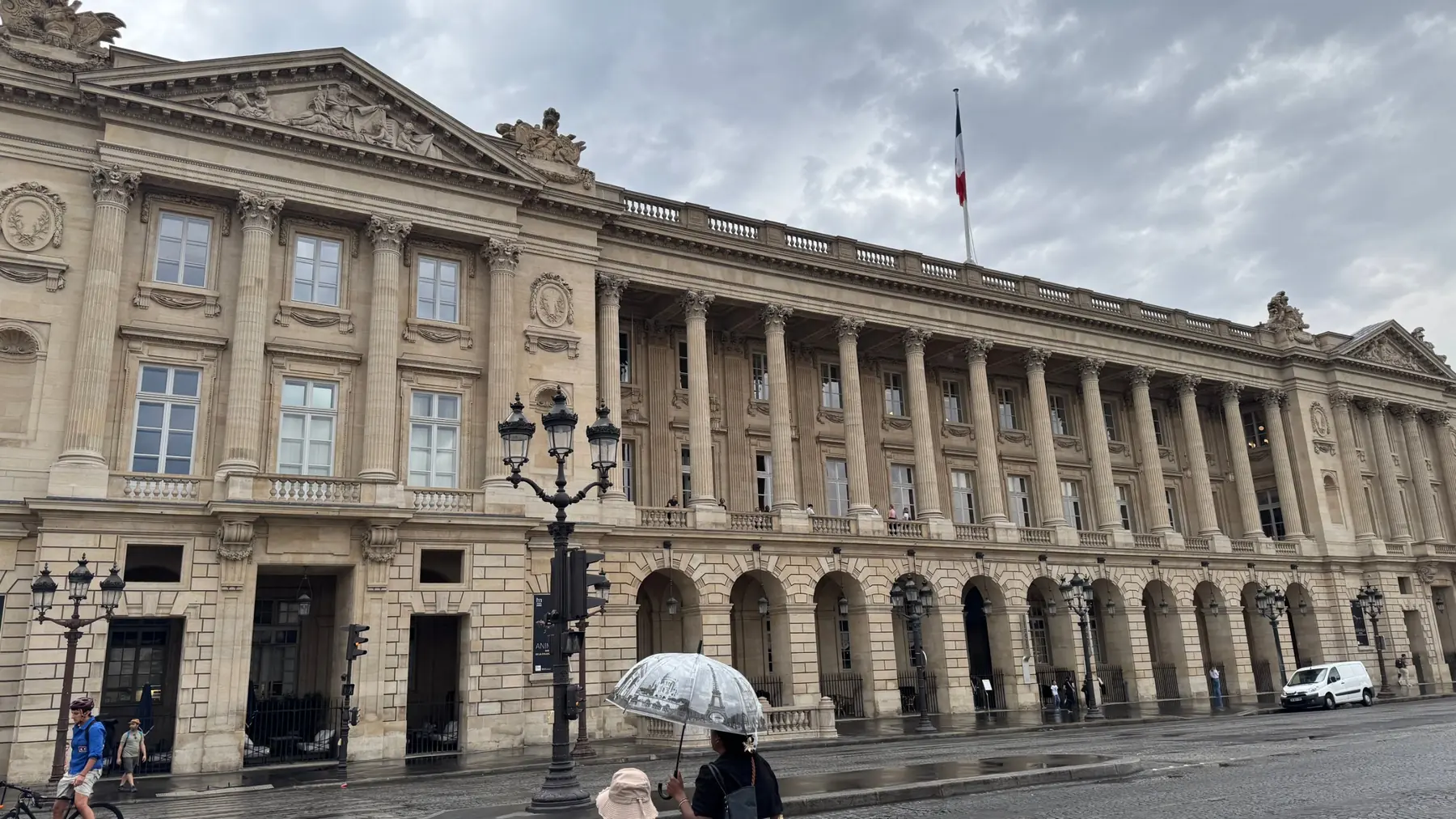
Hôtel de la Marine Paris: What to Expect Inside This Hidden Royal Palace
Long before it reopened as one of Paris’s most talked-about museums, the Hôtel de la Marine stood watch over the newly laid-out Place Louis XV — today’s Place de la Concorde — as the royal Garde-Meuble, the storehouse charged with furnishing every residence of the French crown. Cannon seized from its courtyard in July 1789 fired the opening shots at the Bastille, and the crown jewels vanished from its vaults in a brazen 1792 heist. For over two centuries afterward, the building served as the headquarters of the French Navy, witnessing Napoleon’s coronation ball and Nazi occupation during the Second World War. The Navy moved out in 2015, clearing the way for a six-year, €135-million restoration that returned the 18th-century Intendant’s apartments to their original splendor and installed the Al Thani Collection’s rotating trove of decorative art.
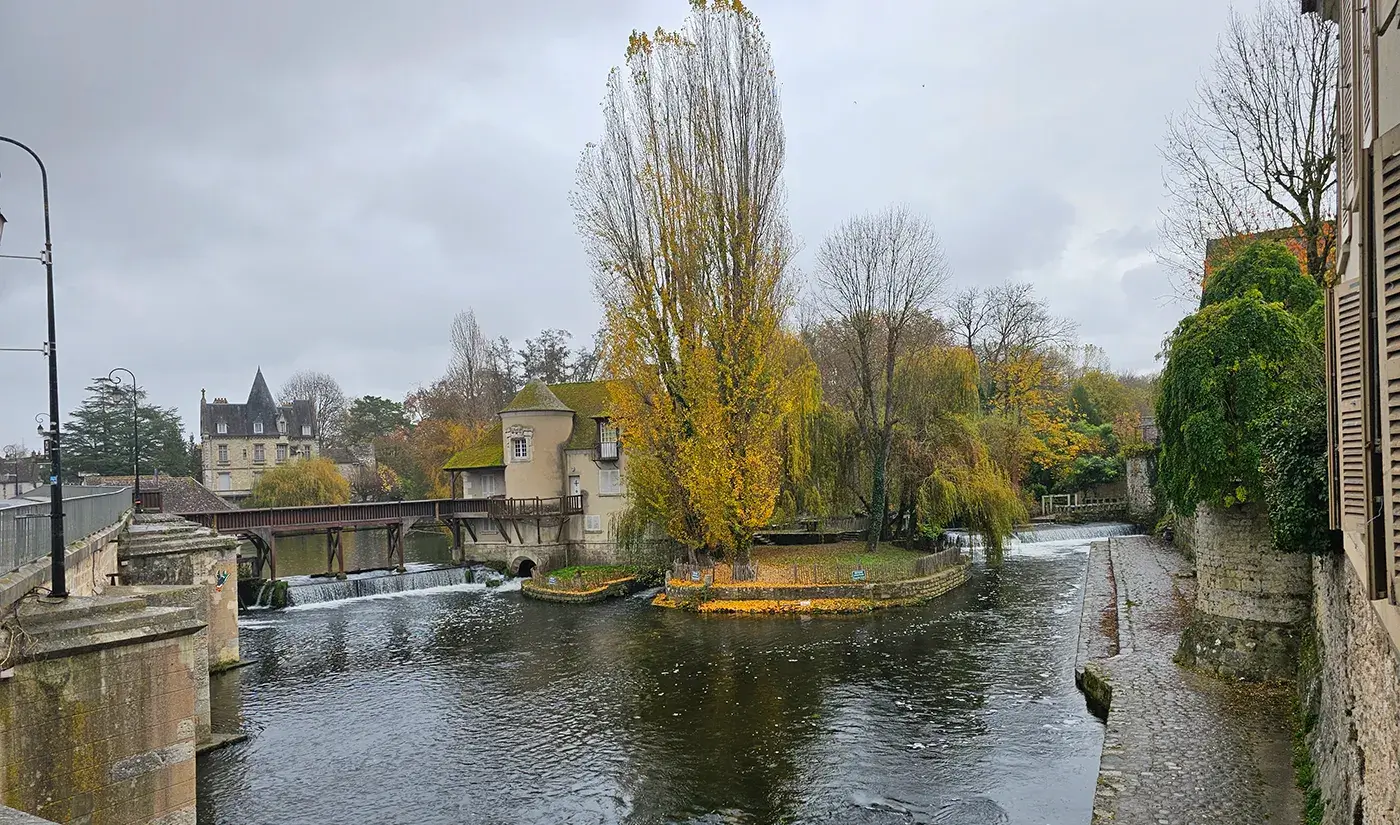
Moret-Loing-et-Orvanne | A Historic Town Near Paris
Moret‑Loing‑et‑Orvanne is a historic city near Paris, with origins dating back to the Middle Ages. Its cobblestone streets, medieval walls, and Gothic churches showcase centuries of French heritage. The scenic Loing River inspired Impressionist artists like Alfred Sisley, capturing the town’s charm. Visitors can stroll through the Old Town, explore historic gates, museums, and local cafés, enjoying a blend of history, culture, and nature. From riverside walks to quaint streets and historic bridges, the city offers an authentic French experience. Perfect for history lovers, photographers, and travelers, Moret‑Loing‑et‑Orvanne is an ideal day-trip from Paris, where centuries of tradition, art, and architecture create lasting memories.