Search to Discover Top Places in Paris
Explore Attractions for Tag: mobility-friendly
Notre-Dame de Paris: What to Expect Inside the Reborn Cathedral
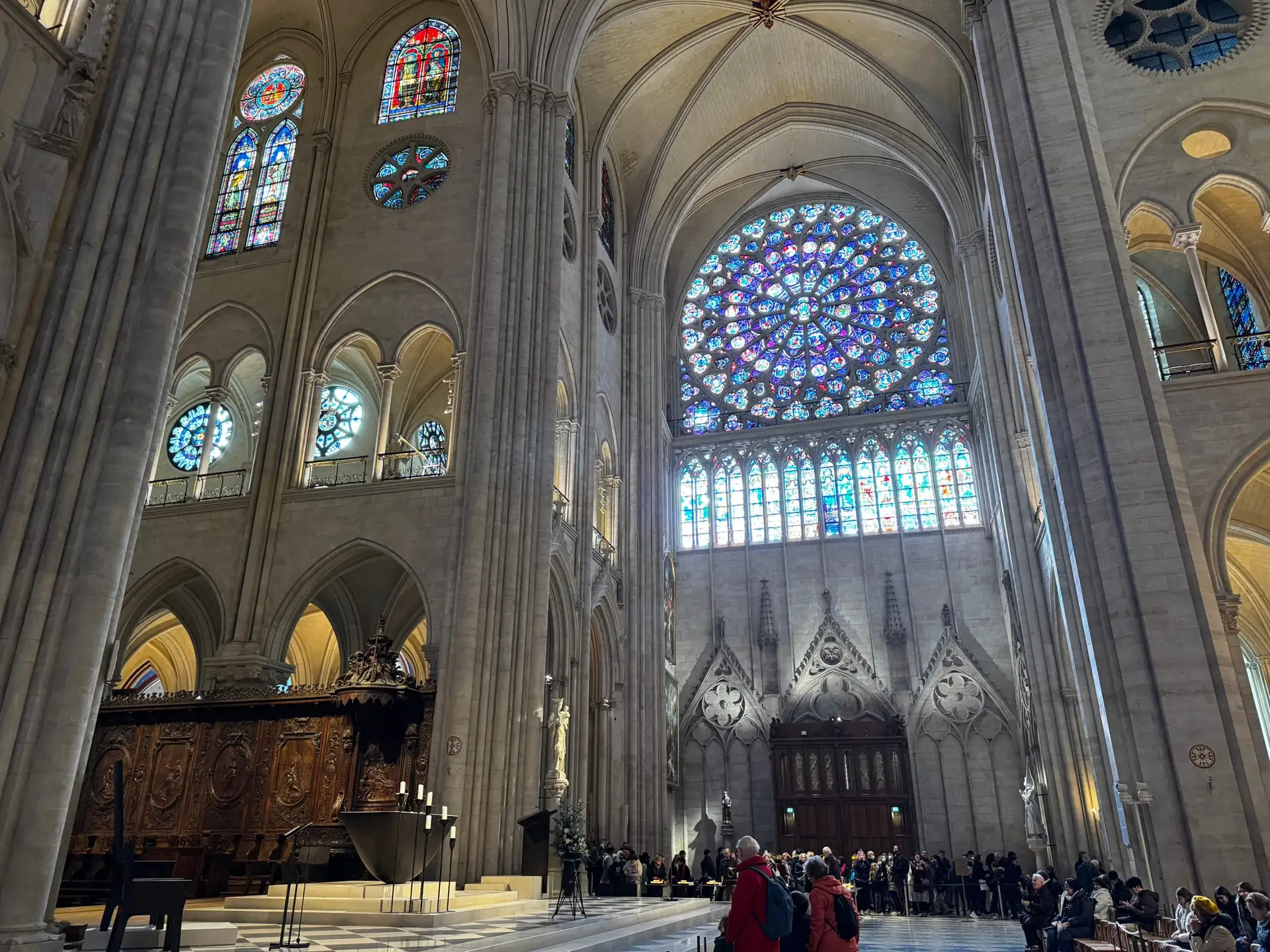
Notre-Dame de Paris rises on the Île de la Cité, the island where Paris was born. Bishop Maurice de Sully launched its construction in 1163, and over nearly two centuries masons, sculptors and glaziers shaped a model of French Gothic: flying buttresses, a carved western façade and three great rose windows. Kings prayed and married here, Napoleon crowned himself emperor in 1804, and Victor Hugo’s 1831 novel rescued the neglected building by turning the whole country’s attention to it. Architects Lassus and Viollet-le-Duc restored it in the 19th century and added the famous spire. On 15 April 2019 a fire destroyed the roof and spire, yet most of the stone vaults held. After five years of work by about 2,000 craftspeople, the cathedral reopened on 7 December 2024 and welcomed some 11 million visitors in its first year.
Château de Fontainebleau and Forest: What to Expect on a Day Trip from Paris
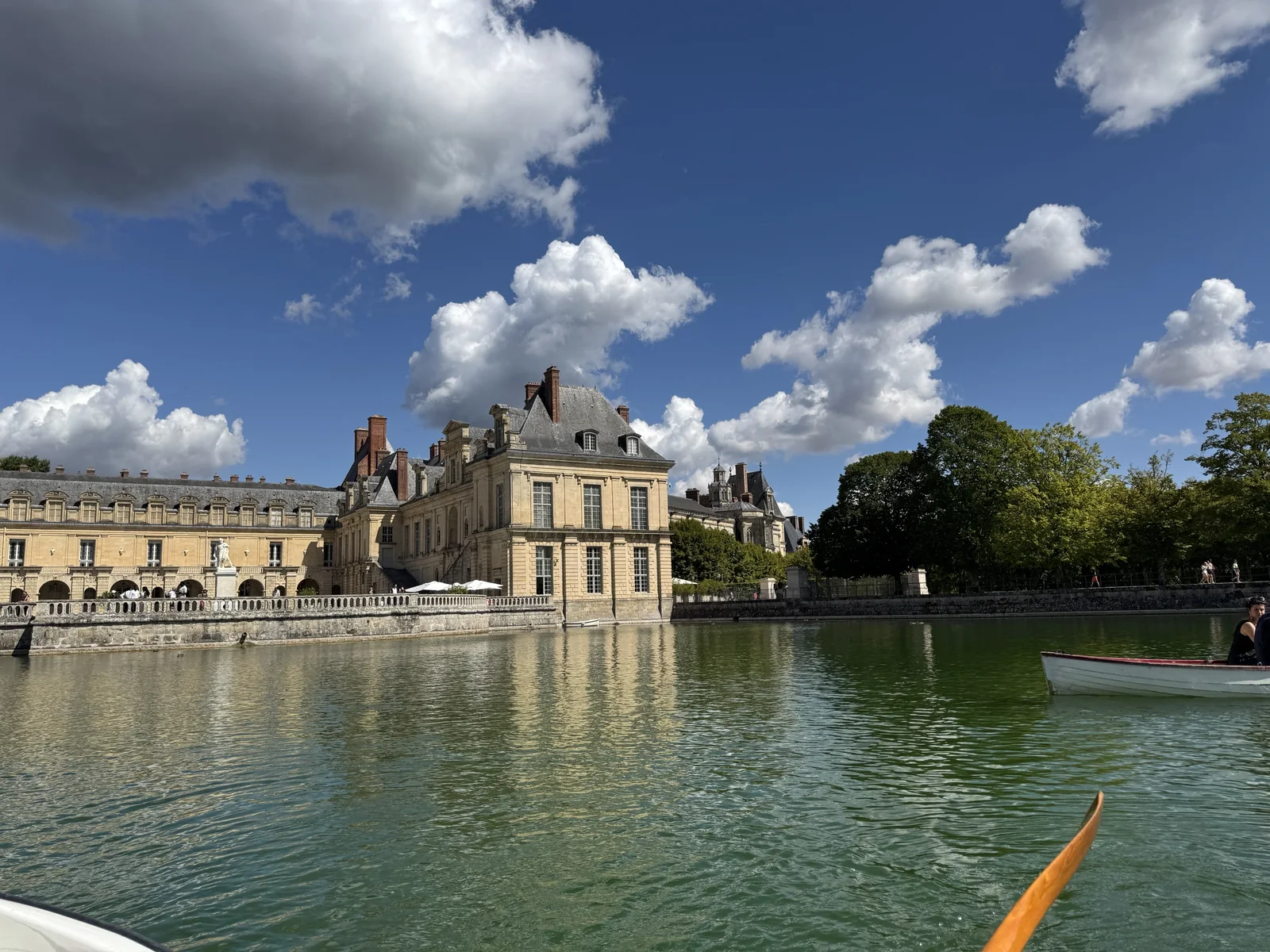
Fontainebleau began as a royal hunting lodge in the forest and grew into one of France’s grandest residences. From 1528, Francis I rebuilt it and brought in Italian artists Rosso Fiorentino and Francesco Primaticcio, who decorated the Gallery of Francis I, a landmark of the French Renaissance. Nearly every ruler left a mark: Henry IV added courtyards, Louis XIII the famous horseshoe staircase, and Marie-Antoinette her private boudoir. Napoleon, who called it the true home of kings, restored the château after the Revolution, held Pope Pius VII here and bid farewell to his Guard in the courtyard in 1814. Empress Eugénie later created a Chinese museum, and Napoleon III added a theatre. Today the château sits beside formal gardens, a carp pond and the vast forest, and has been a UNESCO World Heritage Site since 1981.
Hôtel de la Marine Paris: What to Expect Inside This Hidden Royal Palace
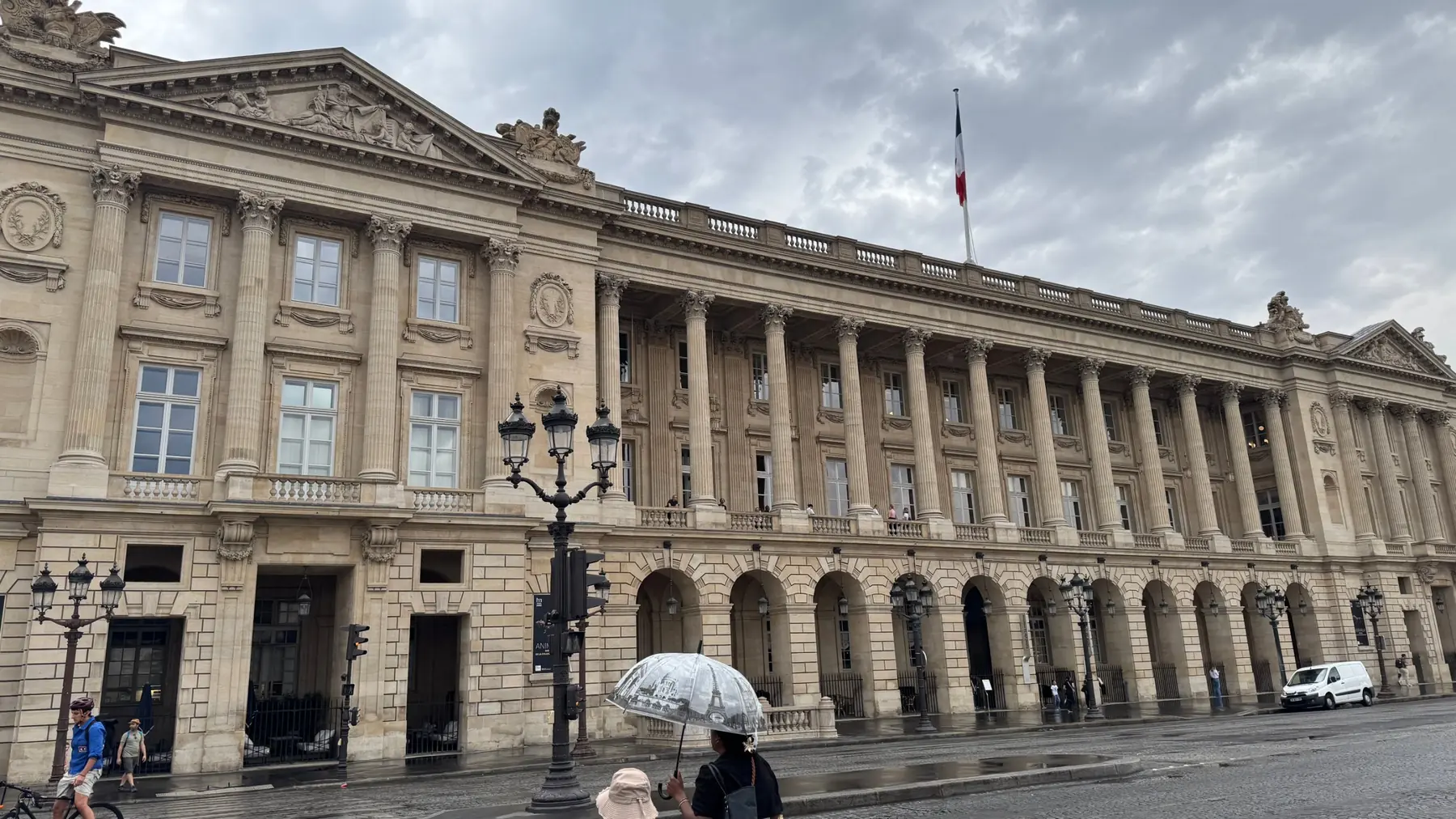
Long before it reopened as one of Paris’s most talked-about museums, the Hôtel de la Marine stood watch over the newly laid-out Place Louis XV — today’s Place de la Concorde — as the royal Garde-Meuble, the storehouse charged with furnishing every residence of the French crown. Cannon seized from its courtyard in July 1789 fired the opening shots at the Bastille, and the crown jewels vanished from its vaults in a brazen 1792 heist. For over two centuries afterward, the building served as the headquarters of the French Navy, witnessing Napoleon’s coronation ball and Nazi occupation during the Second World War. The Navy moved out in 2015, clearing the way for a six-year, €135-million restoration that returned the 18th-century Intendant’s apartments to their original splendor and installed the Al Thani Collection’s rotating trove of decorative art.
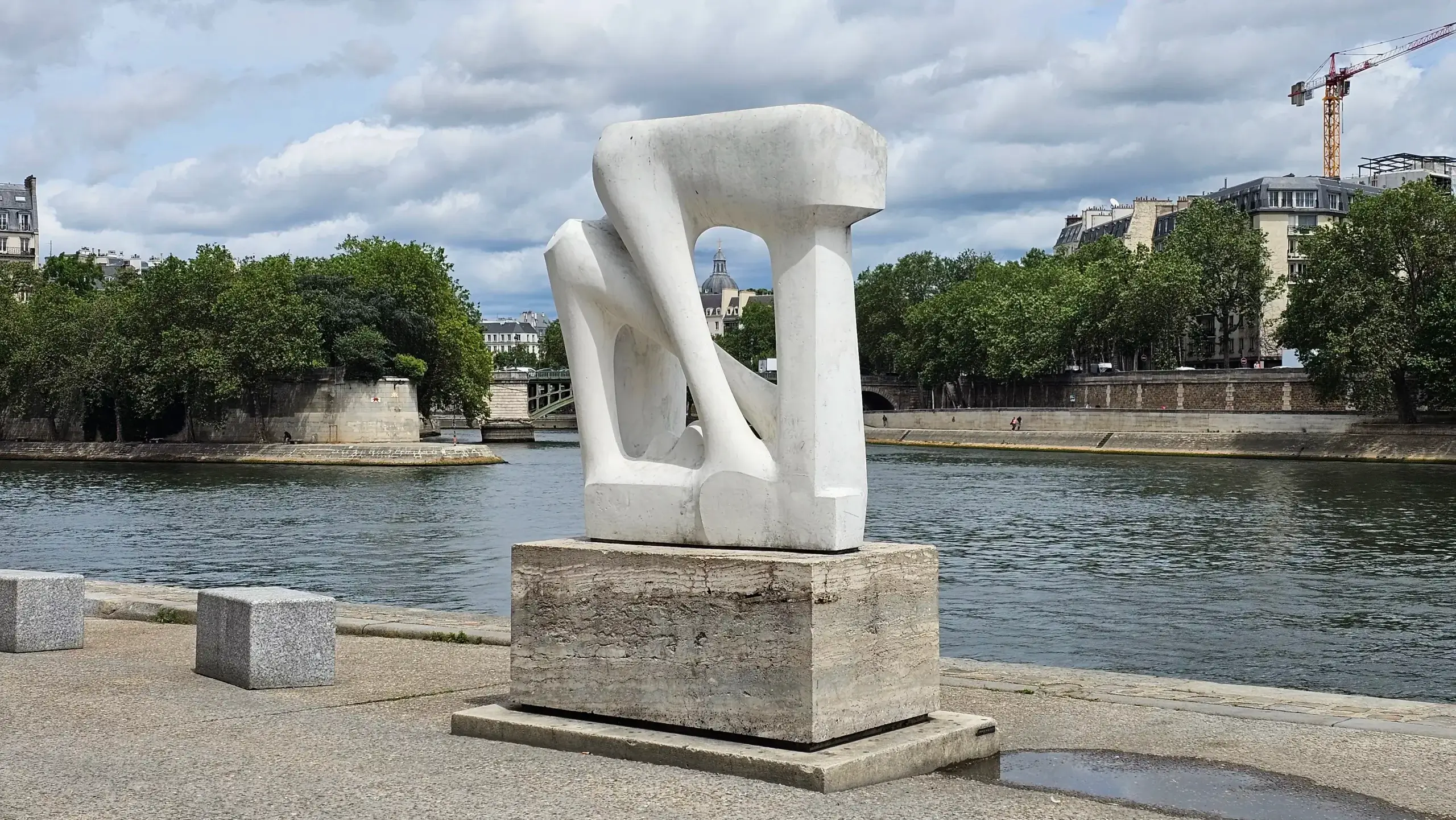
Jardin Tino Rossi
The Jardin Tino Rossi was created in 1975 along the Quai Saint-Bernard on the left bank of the Seine.
The garden is named after Tino Rossi, one of France’s most beloved singers of the 20th century, famous for classics such as Petit Papa Noël.
One of the garden’s defining features is its open-air sculpture museum, officially known as the Musée de la Sculpture en Plein Air. Established in 1980, it showcases dozens of contemporary sculptures by international artists, transforming the riverside into an outdoor art gallery.
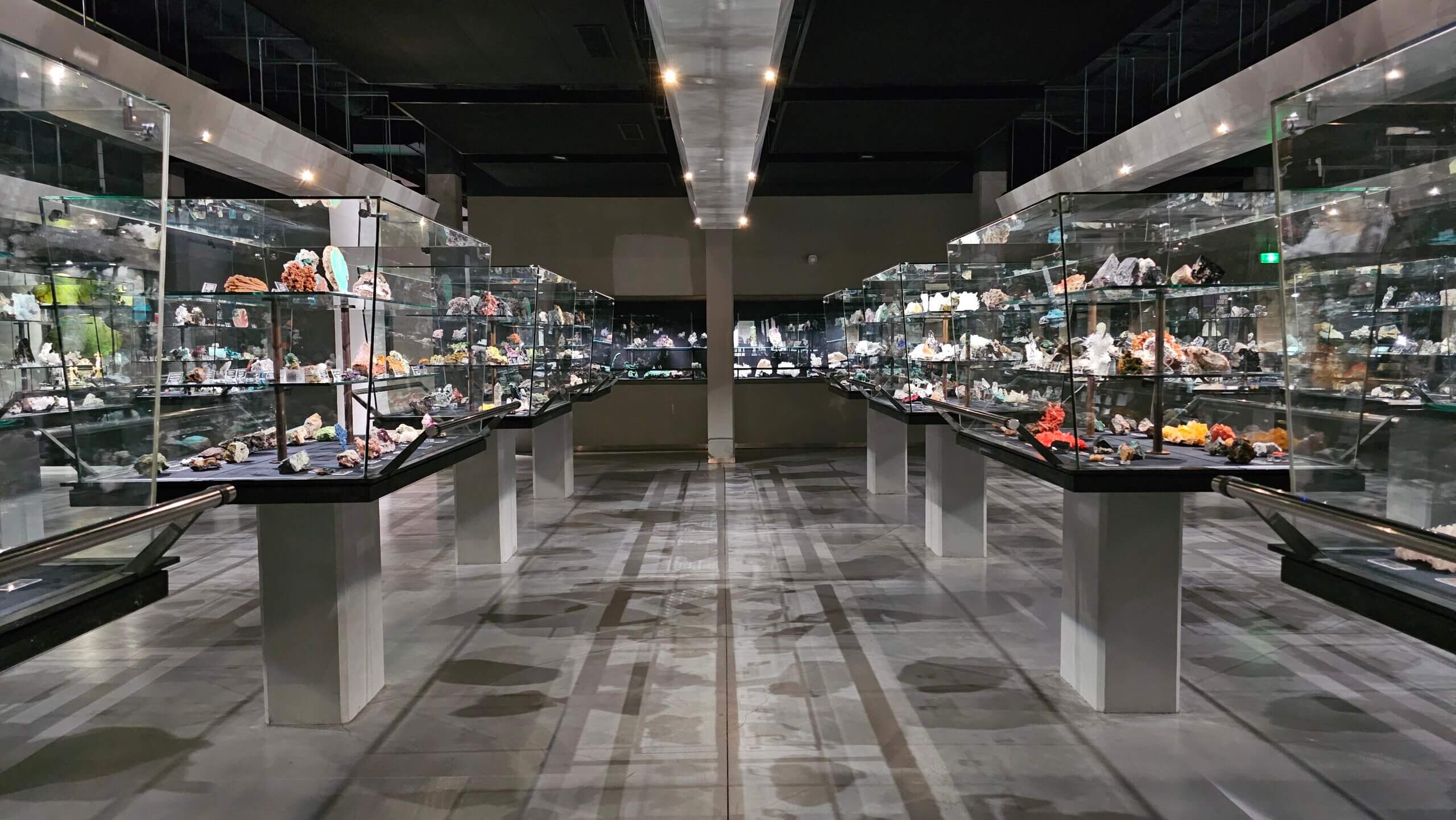
Le Musée des Minéraux de la Sorbonne
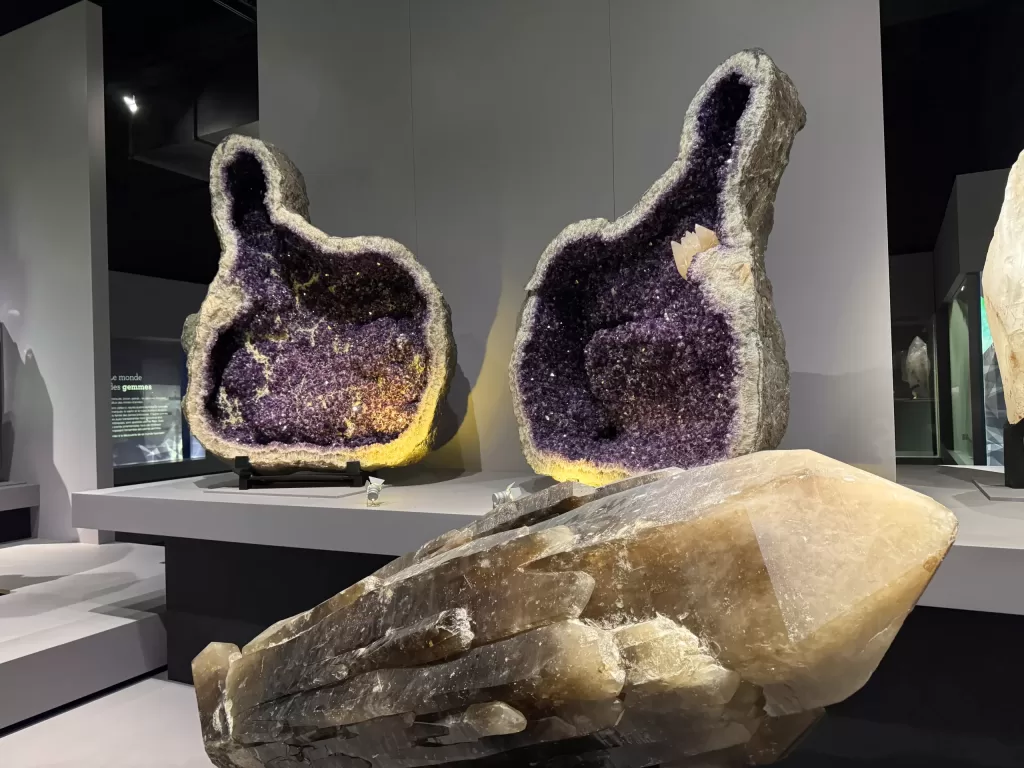
The Musée des Minéraux de la Sorbonne traces its origins to 1823, when French mineralogist François-Sulpice Beudant began assembling a scientific mineral collection for educational and research purposes.
Over the following two centuries, the collection grew through scientific expeditions, donations, acquisitions, and exchanges with institutions worldwide. Today, it houses nearly 16,000 mineral specimens, making it one of France’s most important university mineral collections.
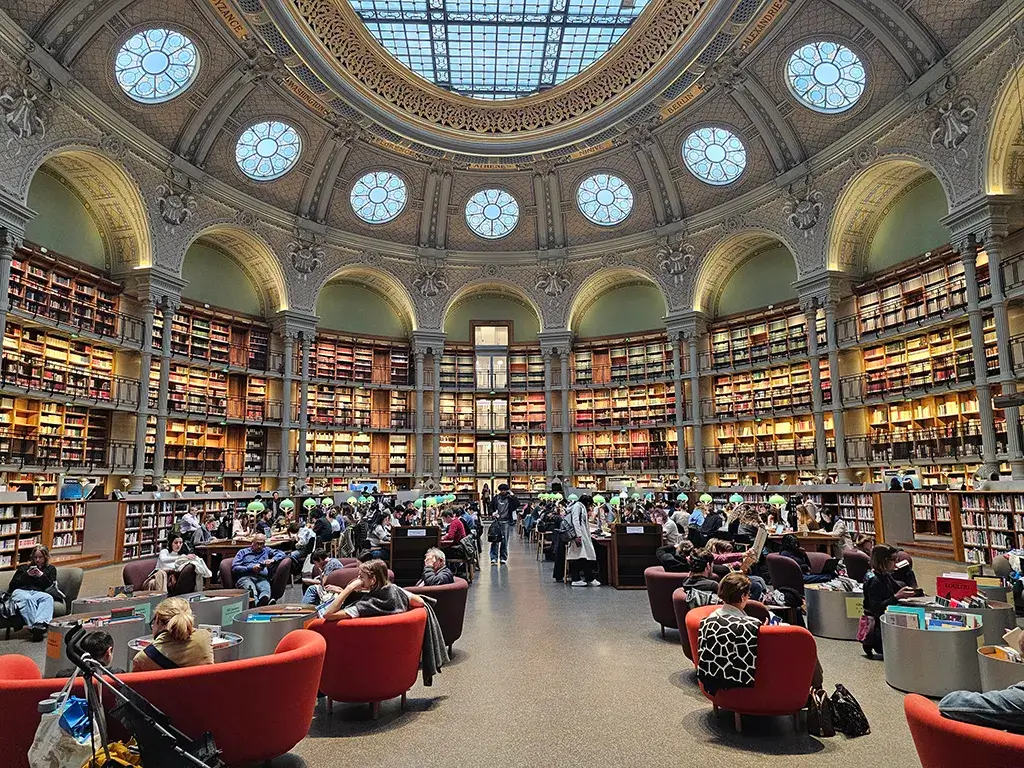
Musée de la BnF: Discover France’s Historic Library
The Bibliothèque nationale de France (BnF), founded in 1368 under King Charles V, is one of the oldest and most prestigious libraries in the world. The Richelieu site, opened in 1721, served as the historical home of the national collections for manuscripts, prints, maps, and coins.
The building’s 19th-century renovation by Henri Labrouste introduced the breathtaking Oval Reading Room, a symbol of French academic architecture. After decades of expansion, a major restoration project (2010–2022) revitalized the site, leading to the reopening of the Musée de la BnF, a museum dedicated to showcasing the nation’s artistic and intellectual treasures.
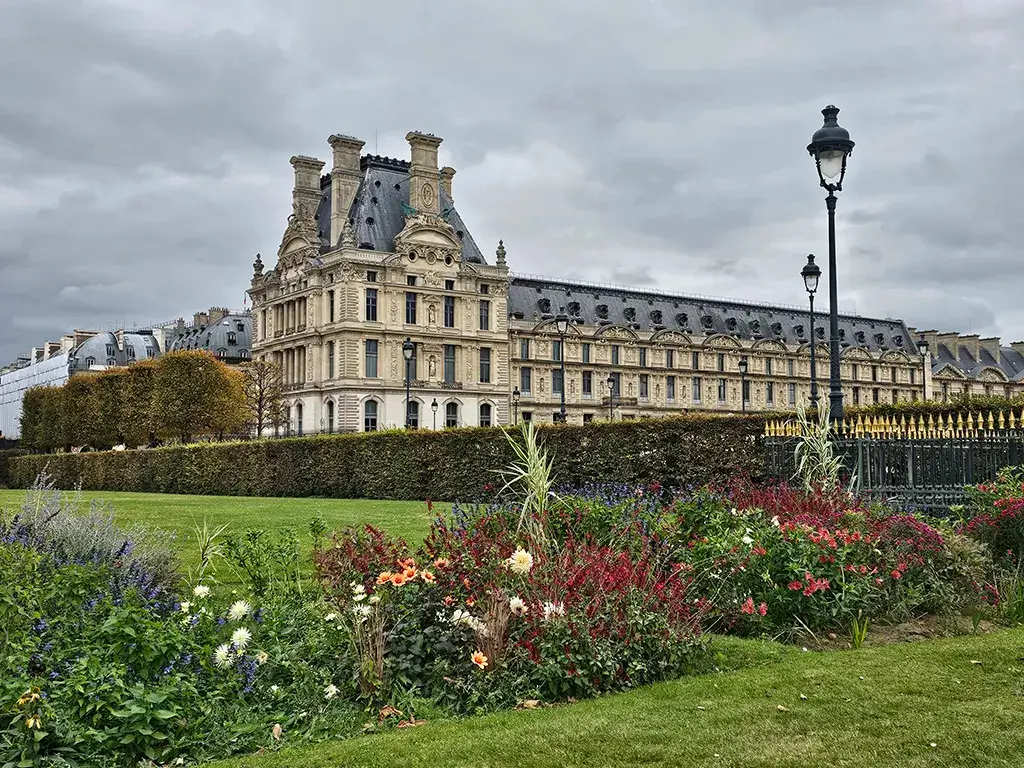
Tuileries Garden
The Jardin des Tuileries was created in 1564 by Catherine de’ Medici as part of the Tuileries Palace. Redesigned by landscape architect André Le Nôtre in 1664, it became the first French formal garden and a model for Versailles. The garden opened to the public after the French Revolution, making it one of the earliest public parks in Paris. After the Tuileries Palace was burned in 1871 during the Paris Commune, the garden remained as a cherished cultural and recreational space, hosting sculptures, exhibitions, and gatherings.
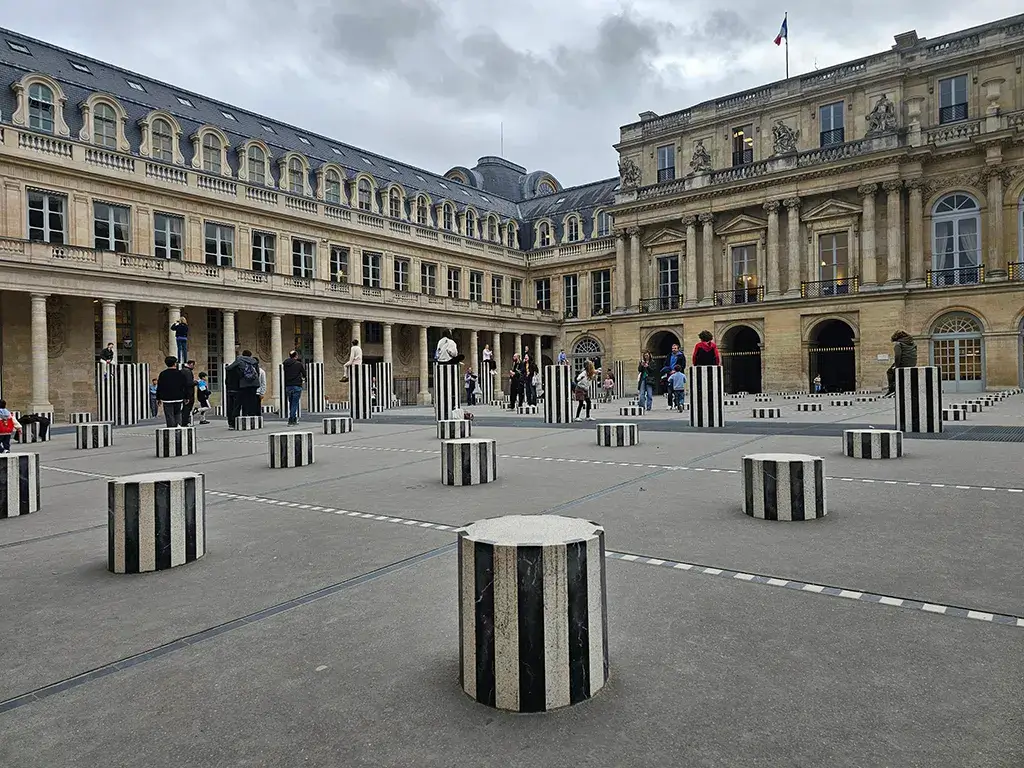
Domaine National du Palais-Royal
The Palais-Royal was built in 1633 by Cardinal Richelieu, who gifted it to the crown. After his death, it became the residence of royal figures, including Louis XIV in his youth. In the 18th century, the Palais-Royal’s arcades turned into a hub of cafés, theaters, and political debate, playing a central role in the French Revolution. Today, it houses the Conseil d’État, the Constitutional Council, and the Comédie-Française, while its gardens remain open to the public as a symbol of Parisian elegance.
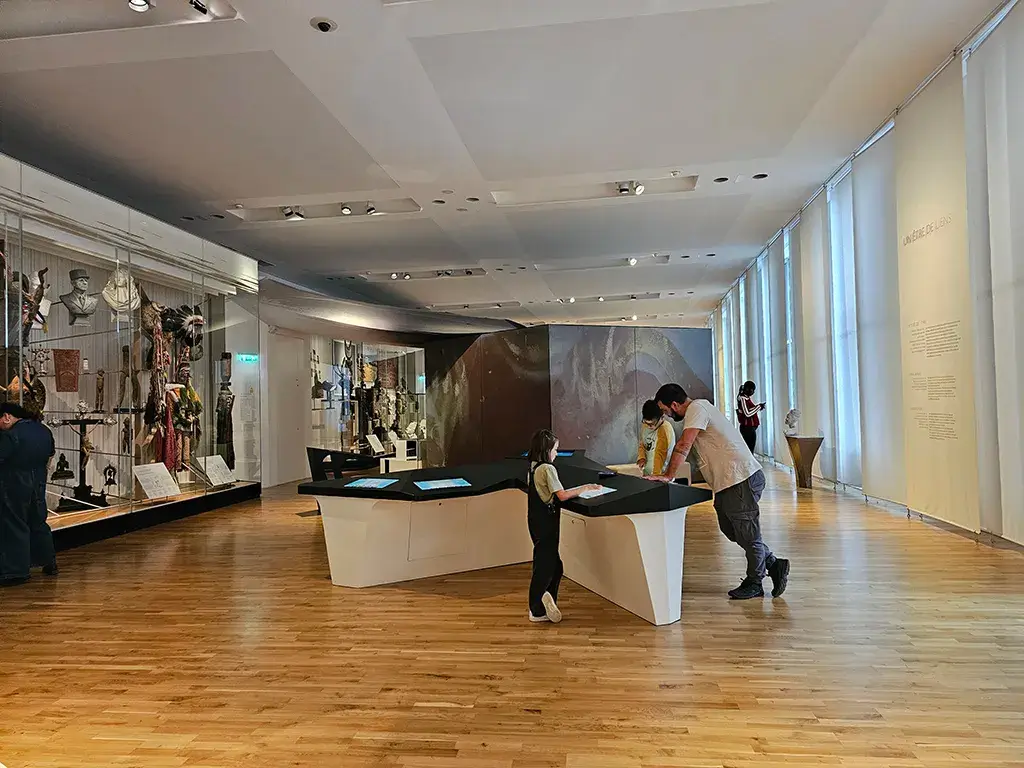
Musée de l’Homme Paris: Explore Human Evolution
Founded in 1937 by the visionary ethnologist Paul Rivet, the Musée de l’Homme was established to showcase humanity’s biological, cultural, and social evolution. It replaced the former Musée d’Ethnographie at the Trocadéro and became a hub for anthropological research. After a major renovation between 2009 and 2015, the museum reopened with a modern, interactive layout that connects visitors to the story of humankind — from prehistoric origins to global cultural diversity.
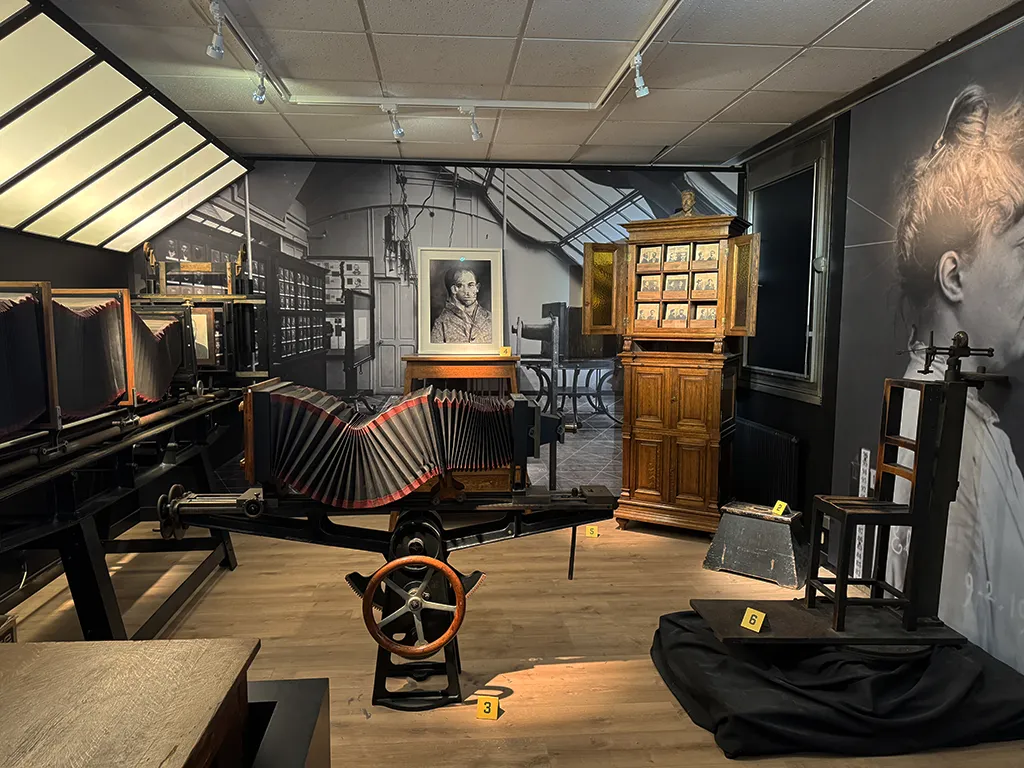
Police Prefecture Museum
The Musée de la Préfecture de Police was founded in 1909 by Police Prefect Louis Lépine, who wanted to create a public archive of the Paris police’s history. The museum traces the evolution of law enforcement, criminal investigations, and famous cases in Paris, from the Middle Ages to modern times. It showcases artifacts such as ancient weapons, police uniforms, forensic tools, and documents from legendary cases like the Affair of Landru and the French Resistance during WWII. Today, the museum is a unique window into the history of crime, order, and justice in the French capital.
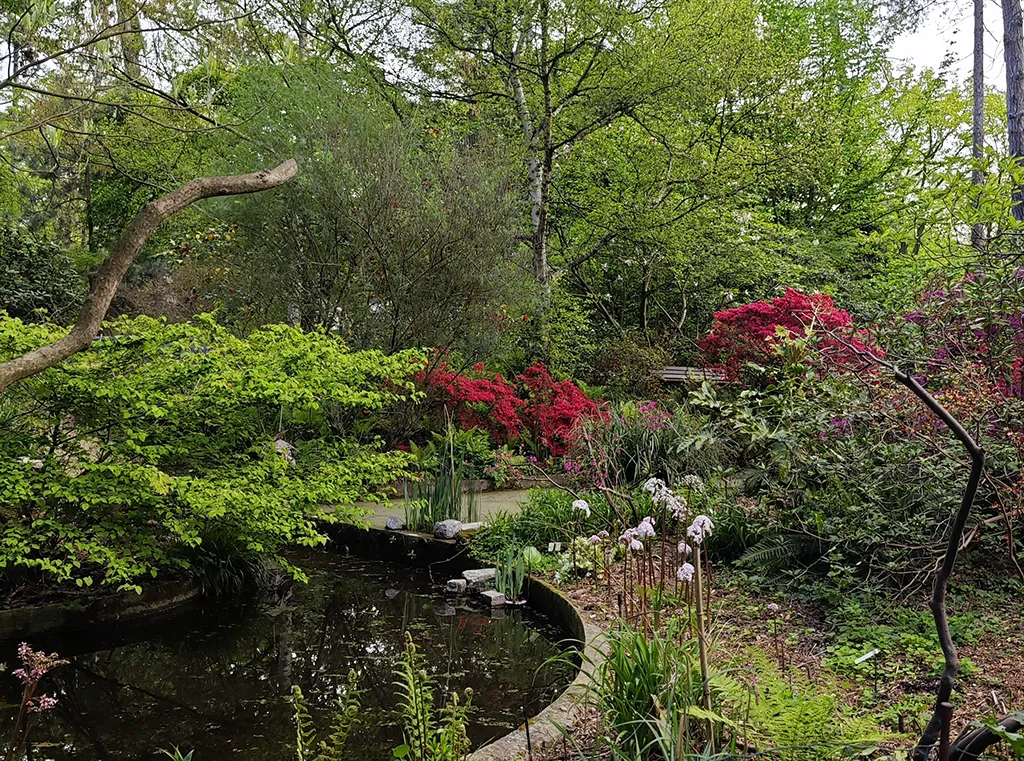
Parc Floral Paris – Botanical Gardens & Family Fun
The Parc Floral de Paris was created in 1969 for the Third International Flower Show, becoming Paris’s newest botanical park. Designed as both a botanical garden and leisure park, it combines themed gardens (iris, dahlias, bonsais, medicinal plants) with recreational areas. Over the decades, it has become one of Paris’s most beloved green spaces, hosting cultural events, plant shows, and music festivals while serving as a center for biodiversity in the Bois de Vincennes.

Gallery of Mineralogy and Geology
Founded in 1833, the Gallery of Mineralogy and Geology was created to house one of the world’s most prestigious collections of minerals, crystals, gemstones, and meteorites. As part of the Muséum national d’Histoire naturelle, it became a scientific hub for geology and mineralogy research. Over the centuries, the collection grew to include tens of thousands of specimens, including extraordinary gems once belonging to French royalty. Today, it serves as both a research center and a dazzling exhibition space for the public.