Search to Discover Top Places in Paris
Explore Attractions for Tag: garden & romance
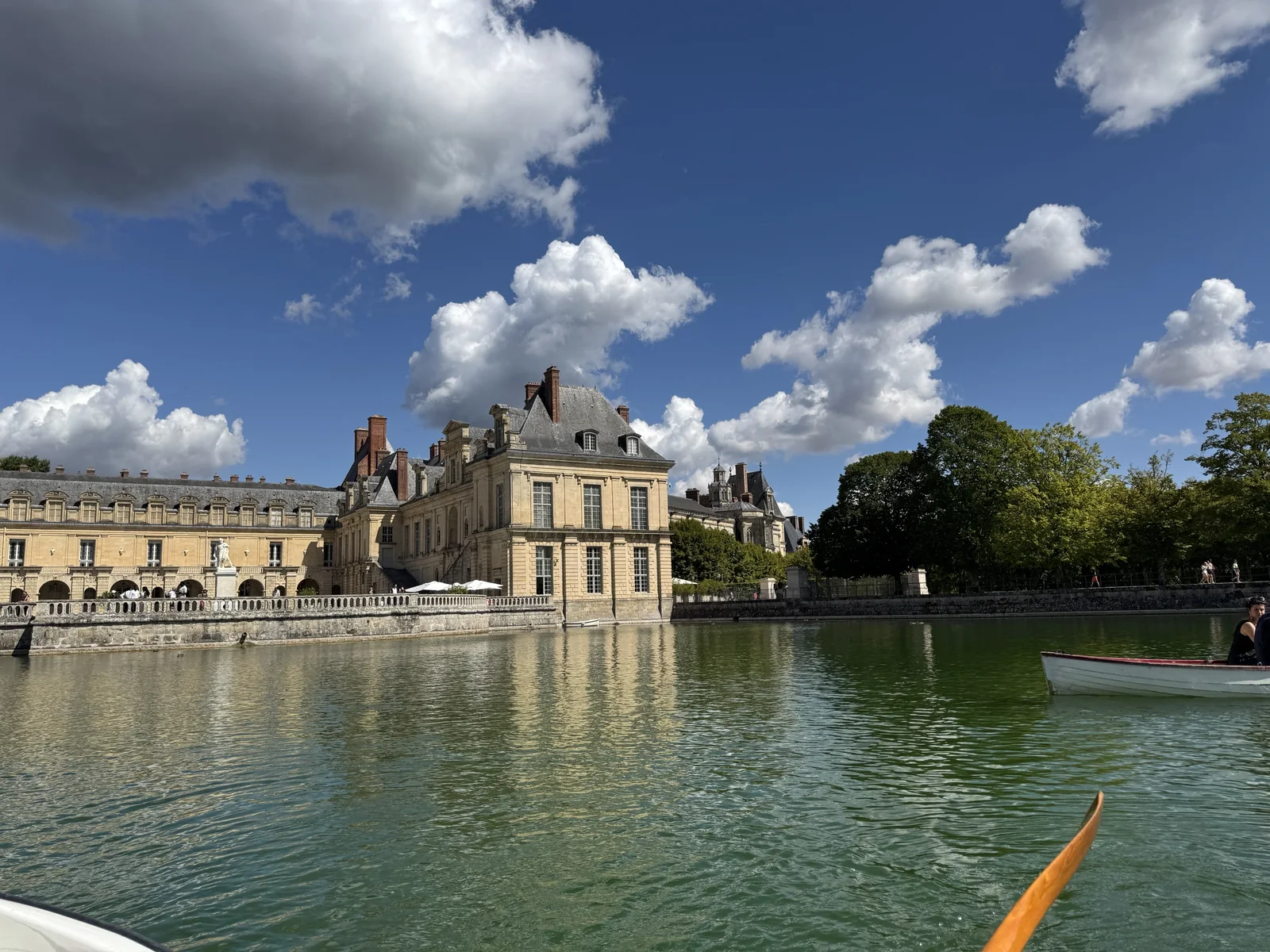
Château de Fontainebleau and Forest: What to Expect on a Day Trip from Paris
Fontainebleau began as a royal hunting lodge in the forest and grew into one of France’s grandest residences. From 1528, Francis I rebuilt it and brought in Italian artists Rosso Fiorentino and Francesco Primaticcio, who decorated the Gallery of Francis I, a landmark of the French Renaissance. Nearly every ruler left a mark: Henry IV added courtyards, Louis XIII the famous horseshoe staircase, and Marie-Antoinette her private boudoir. Napoleon, who called it the true home of kings, restored the château after the Revolution, held Pope Pius VII here and bid farewell to his Guard in the courtyard in 1814. Empress Eugénie later created a Chinese museum, and Napoleon III added a theatre. Today the château sits beside formal gardens, a carp pond and the vast forest, and has been a UNESCO World Heritage Site since 1981.
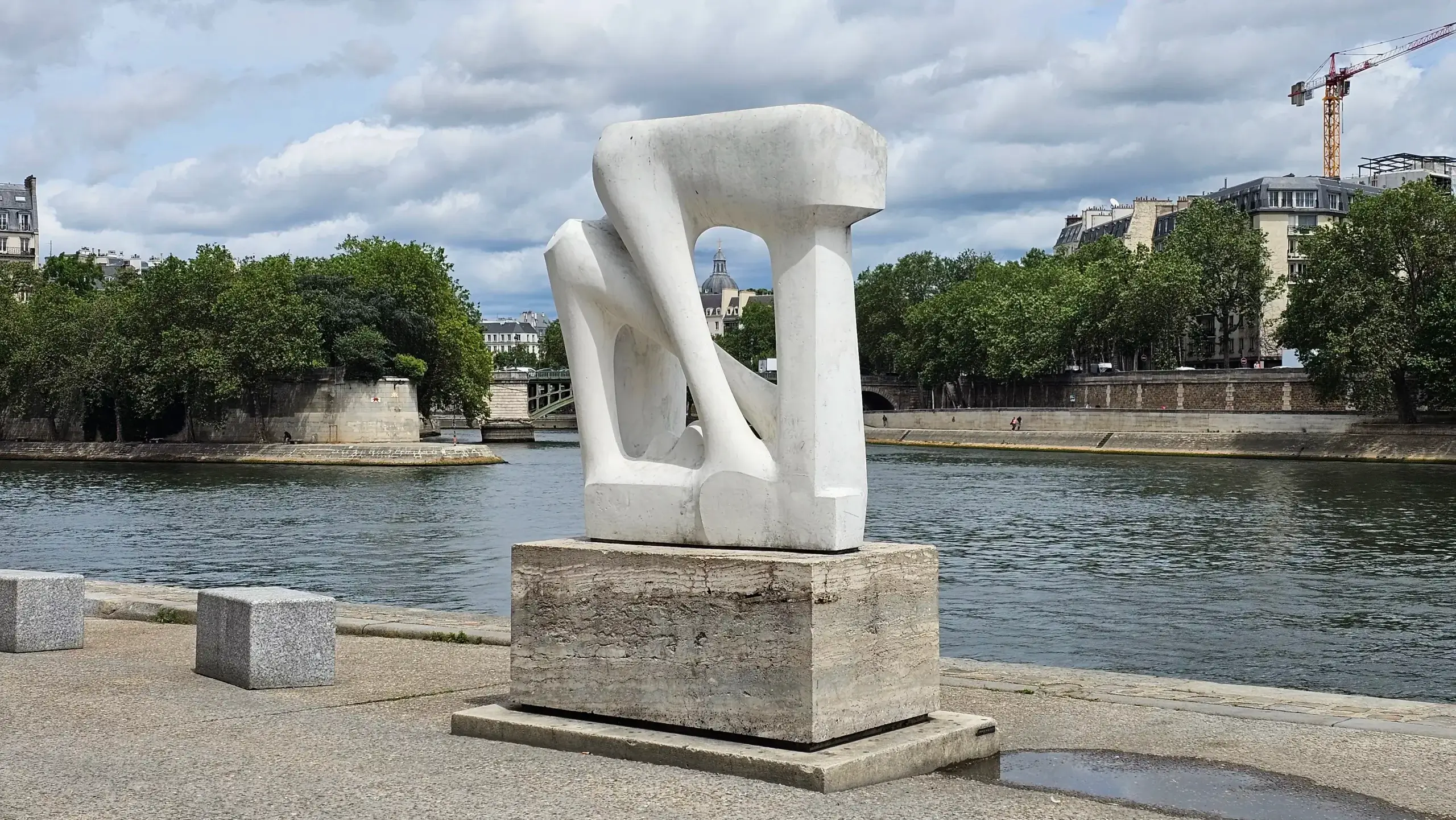
Jardin Tino Rossi
The Jardin Tino Rossi was created in 1975 along the Quai Saint-Bernard on the left bank of the Seine.
The garden is named after Tino Rossi, one of France’s most beloved singers of the 20th century, famous for classics such as Petit Papa Noël.
One of the garden’s defining features is its open-air sculpture museum, officially known as the Musée de la Sculpture en Plein Air. Established in 1980, it showcases dozens of contemporary sculptures by international artists, transforming the riverside into an outdoor art gallery.
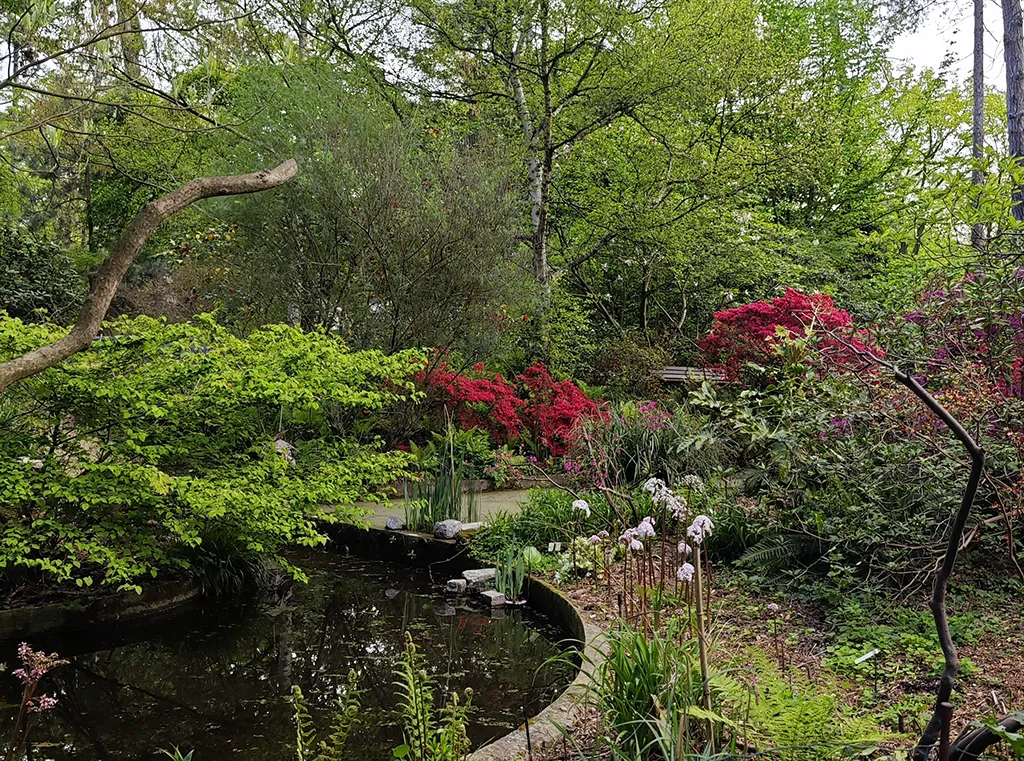
Parc Floral Paris – Botanical Gardens & Family Fun
The Parc Floral de Paris was created in 1969 for the Third International Flower Show, becoming Paris’s newest botanical park. Designed as both a botanical garden and leisure park, it combines themed gardens (iris, dahlias, bonsais, medicinal plants) with recreational areas. Over the decades, it has become one of Paris’s most beloved green spaces, hosting cultural events, plant shows, and music festivals while serving as a center for biodiversity in the Bois de Vincennes.

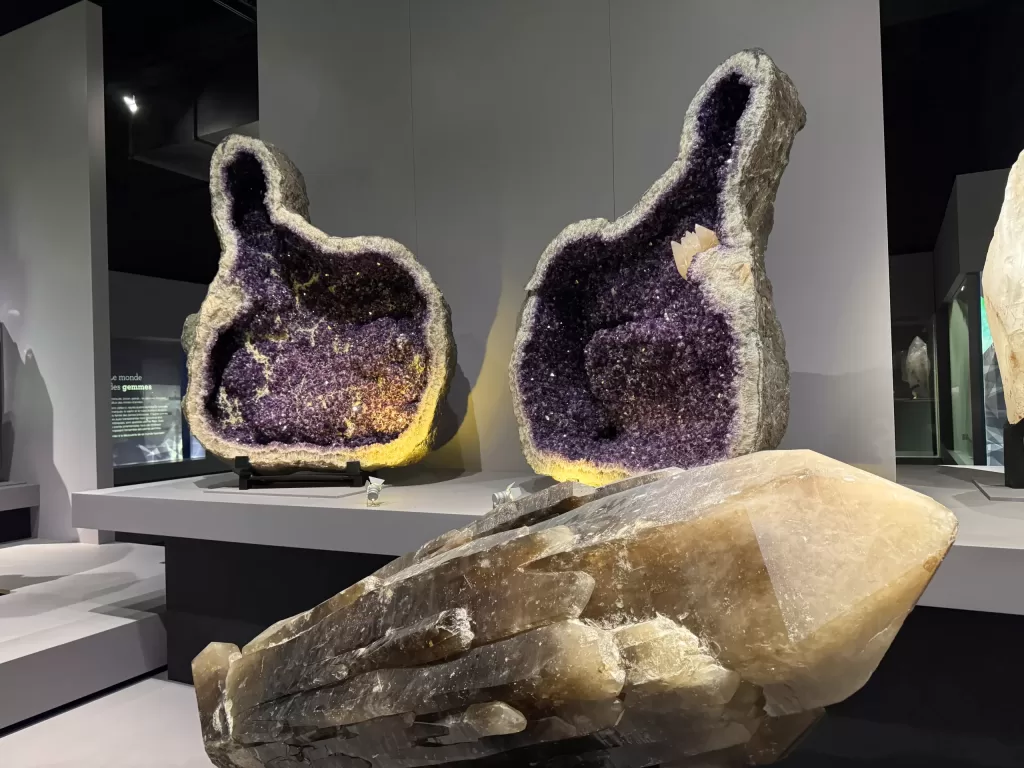
Gallery of Mineralogy and Geology
Founded in 1833, the Gallery of Mineralogy and Geology was created to house one of the world’s most prestigious collections of minerals, crystals, gemstones, and meteorites. As part of the Muséum national d’Histoire naturelle, it became a scientific hub for geology and mineralogy research. Over the centuries, the collection grew to include tens of thousands of specimens, including extraordinary gems once belonging to French royalty. Today, it serves as both a research center and a dazzling exhibition space for the public.
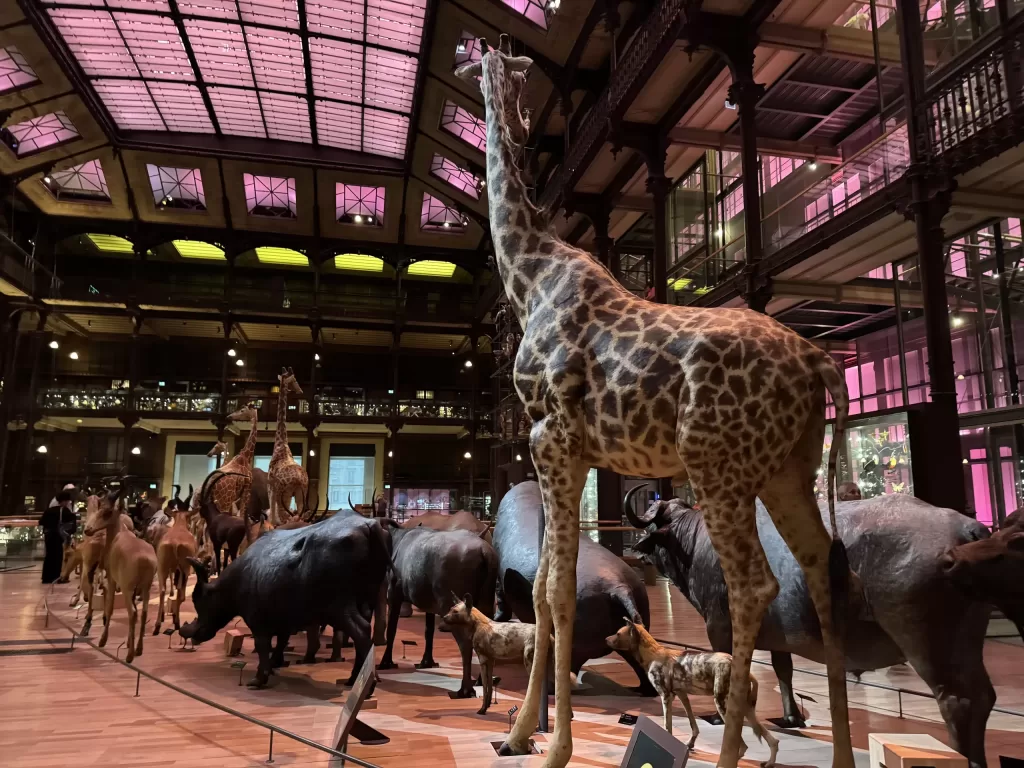
Great Gallery of Evolution
The Grande Galerie de l’Évolution – From Zoology to Wonder
When it first opened in 1889 as the Galerie de Zoologie, this magnificent glass-and-iron hall was a temple dedicated to the diversity of life, showcasing exotic animals from around the world. For decades, it dazzled visitors, but by 1965 the building fell into neglect and closed its doors.Nearly 30 years later, in 1994, it was reborn as the Grande Galerie de l’Évolution, transformed into a modern, immersive museum. Today, visitors walk among life-sized elephants, whales, and lions in dramatic displays that celebrate biodiversity while reminding us of humanity’s impact on nature.
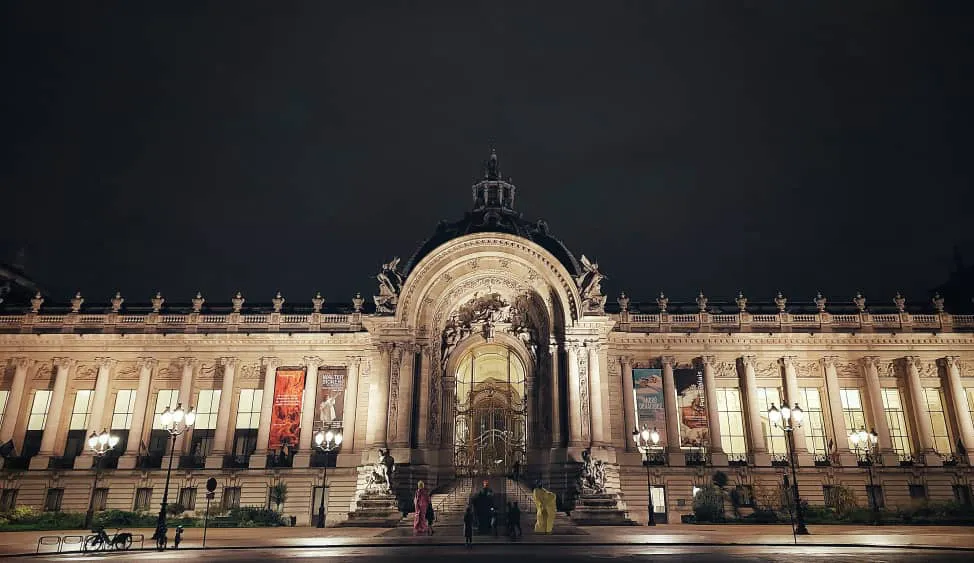
Petit Palais Paris: What to Expect Inside This Free Fine Arts Museum
The Petit Palais was built for the 1900 Exposition Universelle, on the new avenue linking the Champs-Élysées to the Invalides across the Pont Alexandre III. Architect Charles Girault, winner of the design competition, raised it between 1897 and 1900 around a semicircular garden, mixing stone, metal and then-new reinforced concrete with mosaics, stained glass and painted ceilings. After the fair it became the City of Paris Museum of Fine Arts in 1902, the same year the Dutuit brothers gave nearly 20,000 works. Today its free permanent collection runs from Greek vases to 1914, with Rembrandt, Rubens, Fragonard, Delacroix, Courbet, Monet and Cézanne, Art Nouveau rooms by Gallé and Guimard, and a rare group of Orthodox icons. Renovated from 2001 to 2005, it welcomed nearly 1.2 million visitors in 2023.
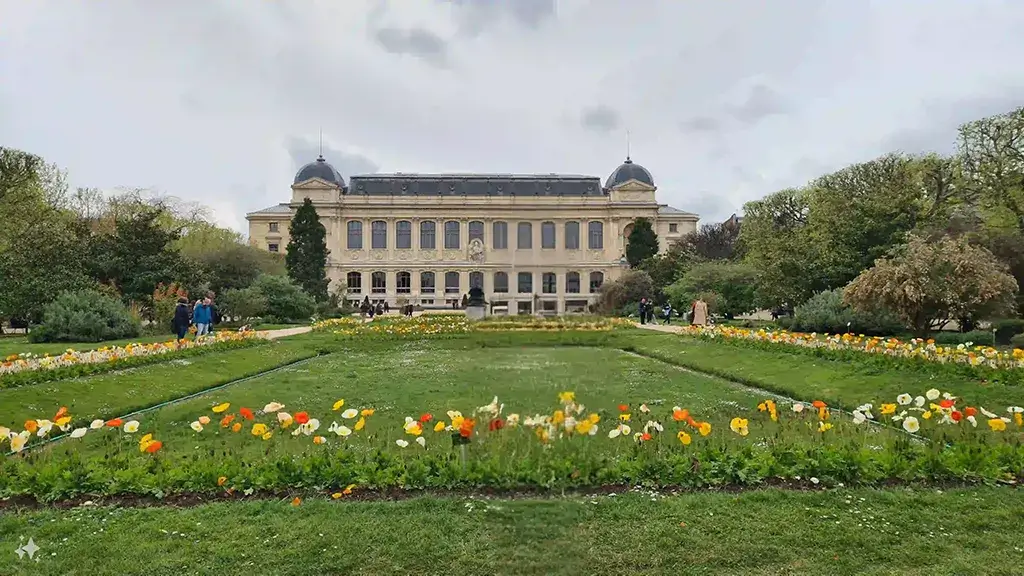
Jardin des Plantes
Founded in 1626 as a royal medicinal herb garden for Louis XIII, the Jardin des Plantes opened to the public in 1640. It later became part of the French National Museum of Natural History during the Revolution. Today, it is not only a vast botanical garden but also houses the Menagerie Zoo, the Grande Galerie de l’Évolution, mineralogy and paleontology galleries, and several historic greenhouses. It remains a center of science, education, and recreation for locals and visitors alike.
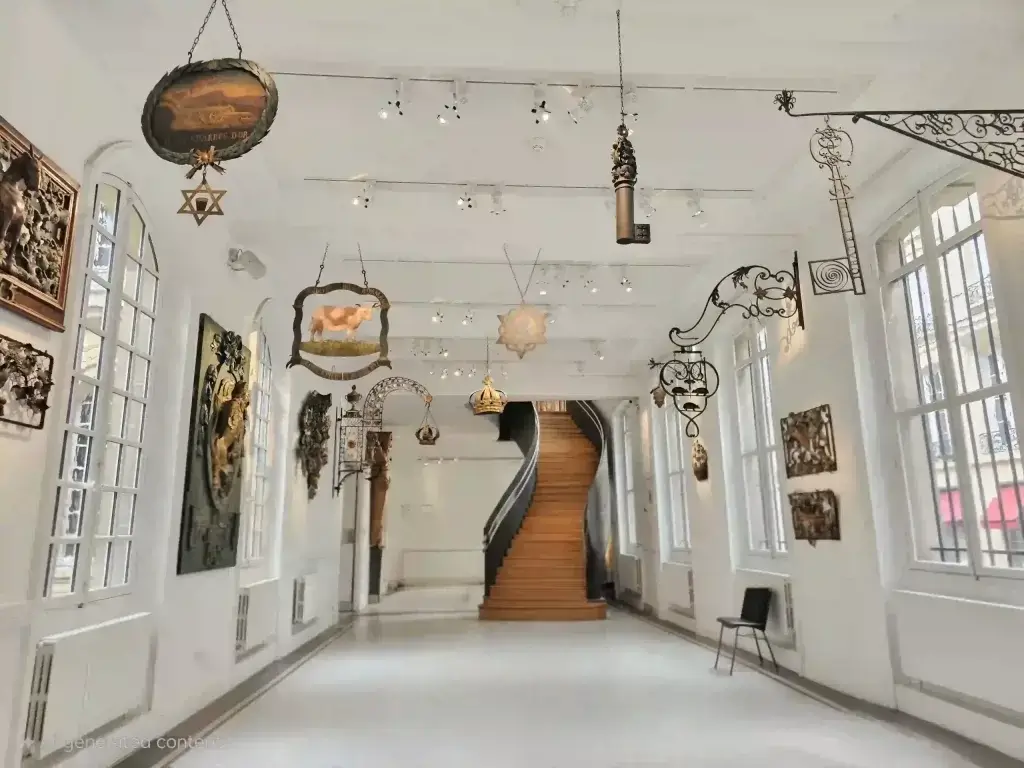
Carnavalet Museum: Paris History & City Secrets
One of the oldest museums dedicated to Paris’s story, Musée Carnavalet opened in 1880 in the Renaissance Hôtel Carnavalet (built 1548–1560) and expanded over time—including the annexation of Hôtel Le Peletier de Saint-Fargeau in 1989. Closed for major renovations in 2016, it reopened in March 2021 with rich new displays and modernized visitor paths, offering over 625,000 artifacts chronicling Paris from prehistory to today.
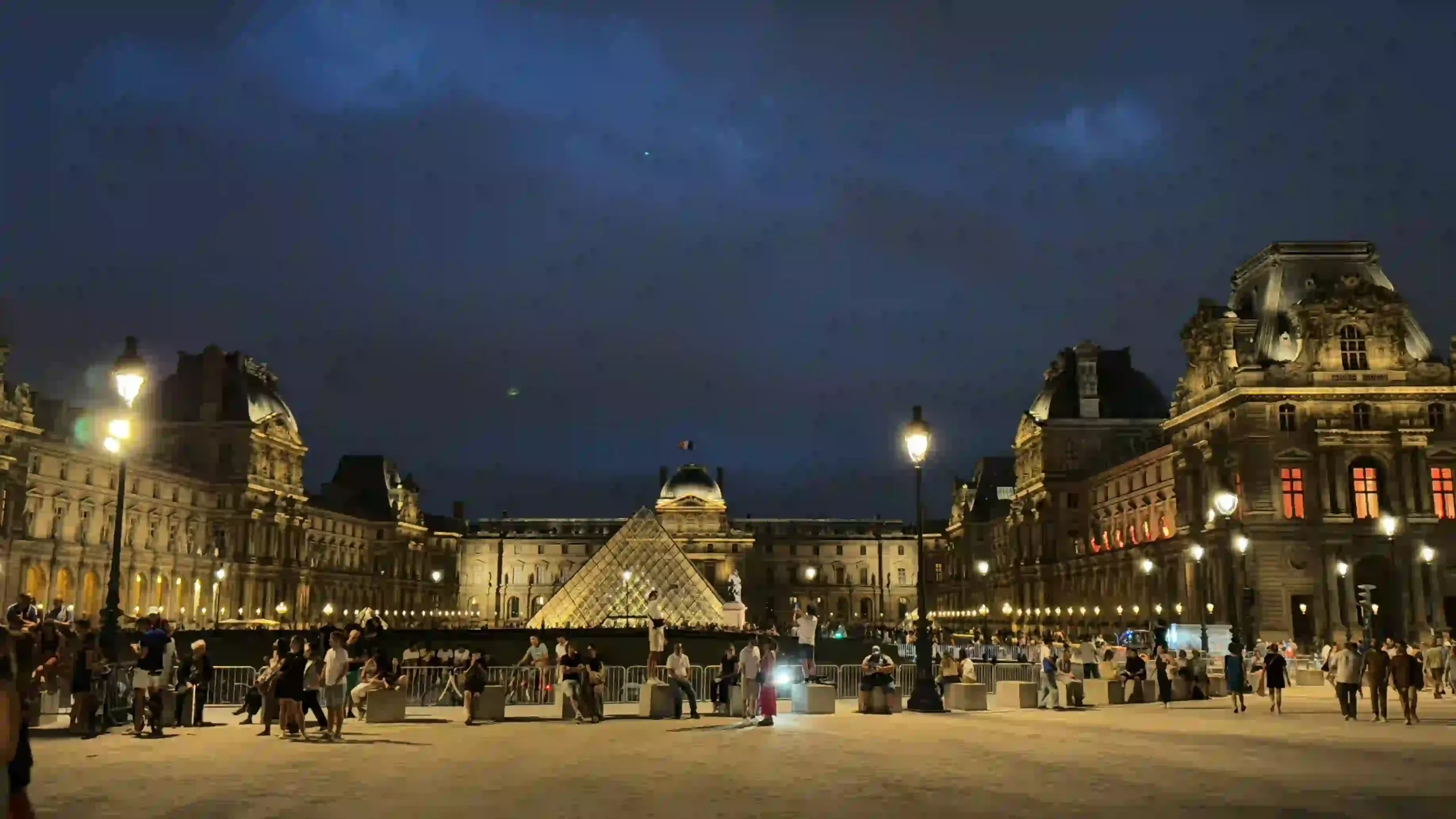
Louvre Museum
The Louvre Museum (Musée du Louvre) in Paris is the world’s most visited art museum and one of the city’s most iconic landmarks. Originally built as a medieval fortress in the late 12th century and later transformed into a royal palace, it became a public museum during the French Revolution. Officially opened on August 10, 1793 as the Musée central des arts de la République, the Louvre has since grown into a global cultural treasure. Its vast collections span from ancient civilizations to the 19th century, featuring masterpieces like the Mona Lisa and the Venus de Milo. Today, the Louvre is not only a symbol of Parisian heritage but also a must-visit destination for art, history, and architecture lovers worldwide.