
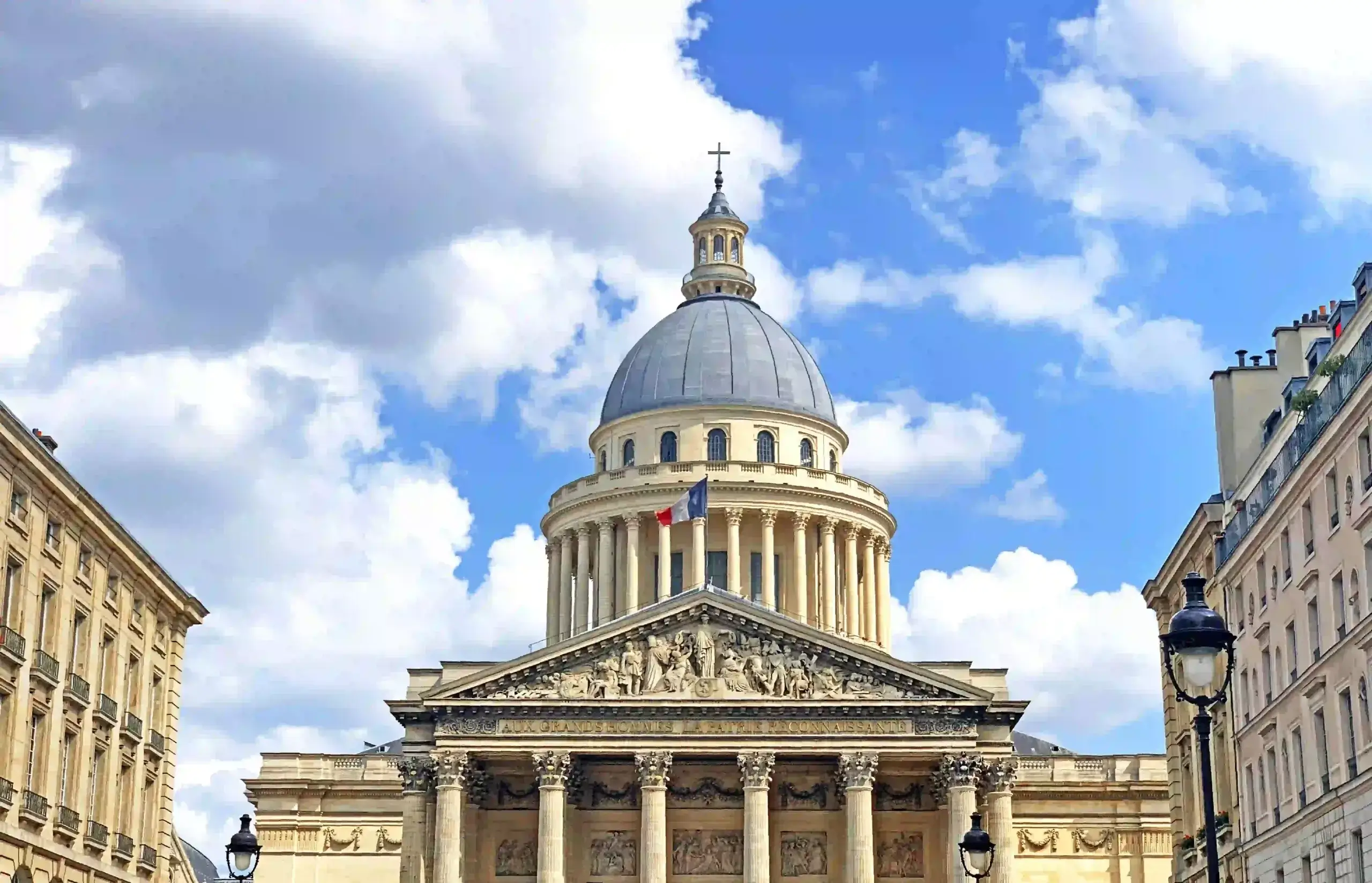
Panthéon Paris: Monument of French History
From church to mausoleum: France’s temple of great citizens with breathtaking views and profound history
Smart Tips Before You Go
Prepare for a smooth and enjoyable experience
Photography
Allowed
Bag Policy
Only standard-sized backpacks allowed
Bring Layers
The interior can feel cool
Smart Tips Before You Go
Prepare for a smooth and enjoyable experience
Photography
Allowed
Bag Policy
Only standard-sized backpacks allowed
Bring Layers
The interior can feel cool
Virtual visit of The Pantheon
Take a peek inside before your visit!
Work Schedule
Apr–Sep: 10 am – 6:30 pm (last entry 5:45 pm)
Oct–Mar: 10 am – 6:00 pm (last entry 5:15 pm)
Monthly opening quirk: On the first working Monday of each month, the Panthéon opens at 12:00 pm
Closed: January 1, May 1, December 25. Timings may slightly shift on Dec 24 & 31.
Quick Tips
Best Visit Times: Weekday mornings (10–12 pm) or after 4 pm for fewer crowds. Avoid 12–3 pm.
Suggested Duration: Allocate 1.5 hours—more if climbing the dome or exploring exhibits.
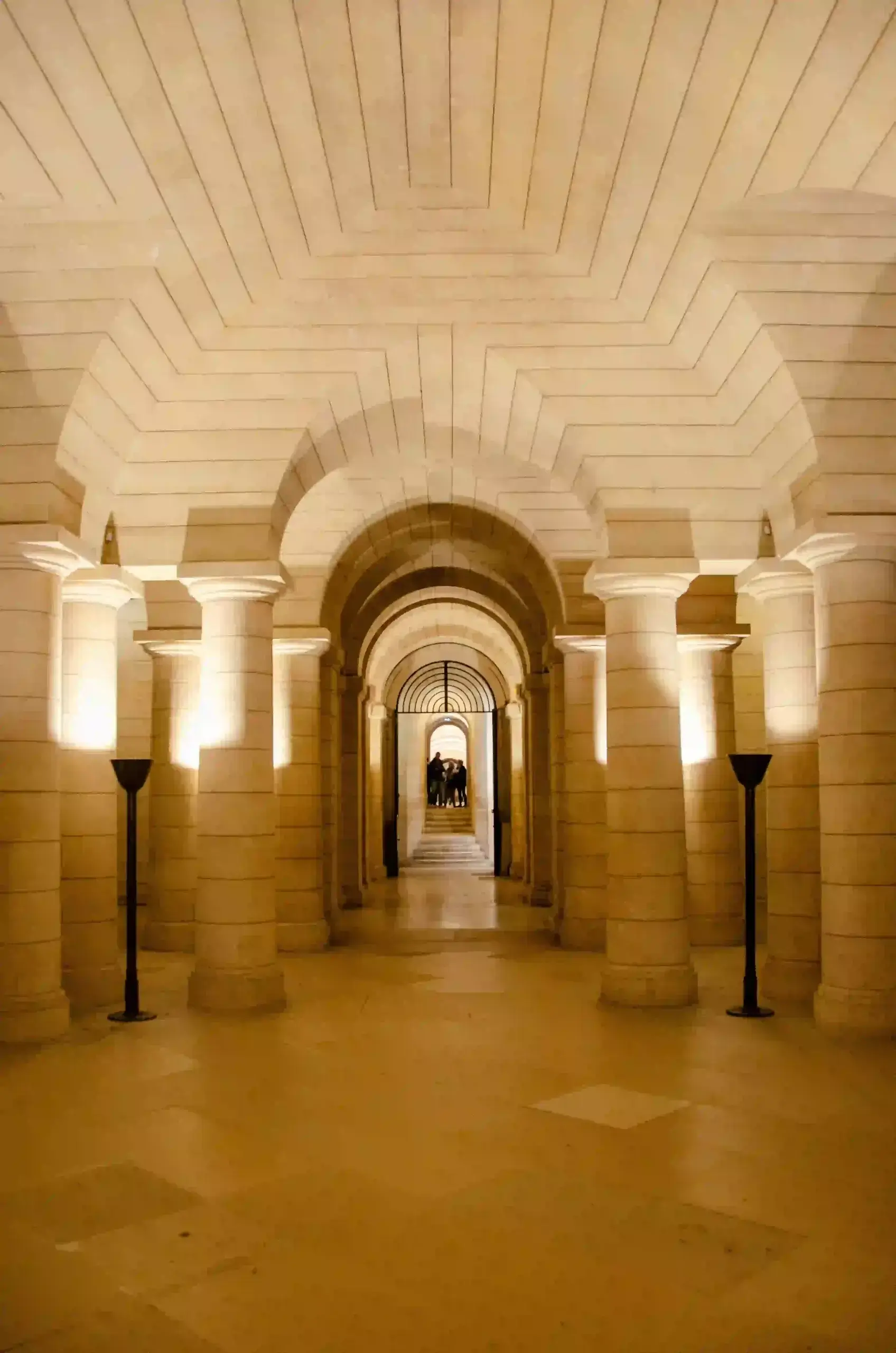
Don’t Miss: Foucault’s Pendulum, the crypt of France’s luminaries, and the architectural grandeur of the dome.
Panorama Supplement (dome access): ~€3.50
Combination Ticket (Basilique Saint-Denis + Panthéon): ~€19
On-site Amenities
crypt and dome require stairs
Not available
Not available
Virtual visit of The Pantheon
Take a peek inside before your visit!
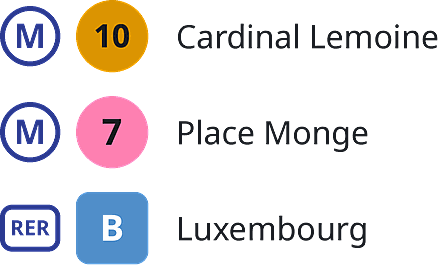
How to get there
Nearby this place
We’ll introduce places within a 30-minute distance from here
Tags :