Search to Discover Top Places in Paris
Explore Attractions for Tag: the Latin Quarter
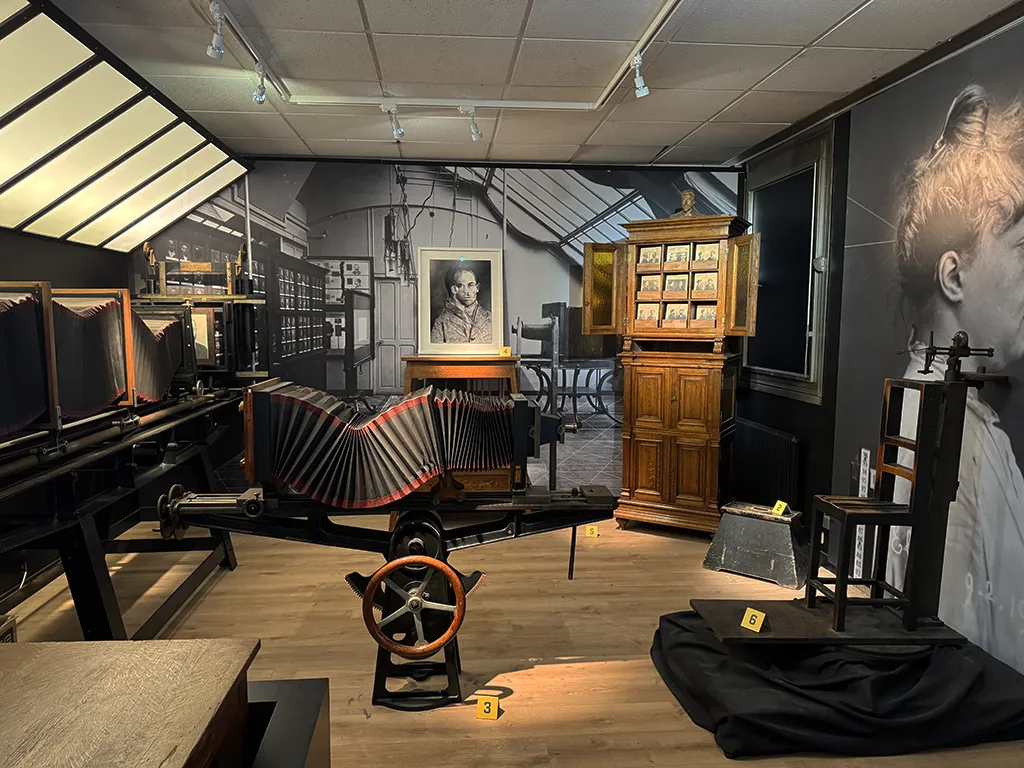
Police Prefecture Museum
The Musée de la Préfecture de Police was founded in 1909 by Police Prefect Louis Lépine, who wanted to create a public archive of the Paris police’s history. The museum traces the evolution of law enforcement, criminal investigations, and famous cases in Paris, from the Middle Ages to modern times. It showcases artifacts such as ancient weapons, police uniforms, forensic tools, and documents from legendary cases like the Affair of Landru and the French Resistance during WWII. Today, the museum is a unique window into the history of crime, order, and justice in the French capital.

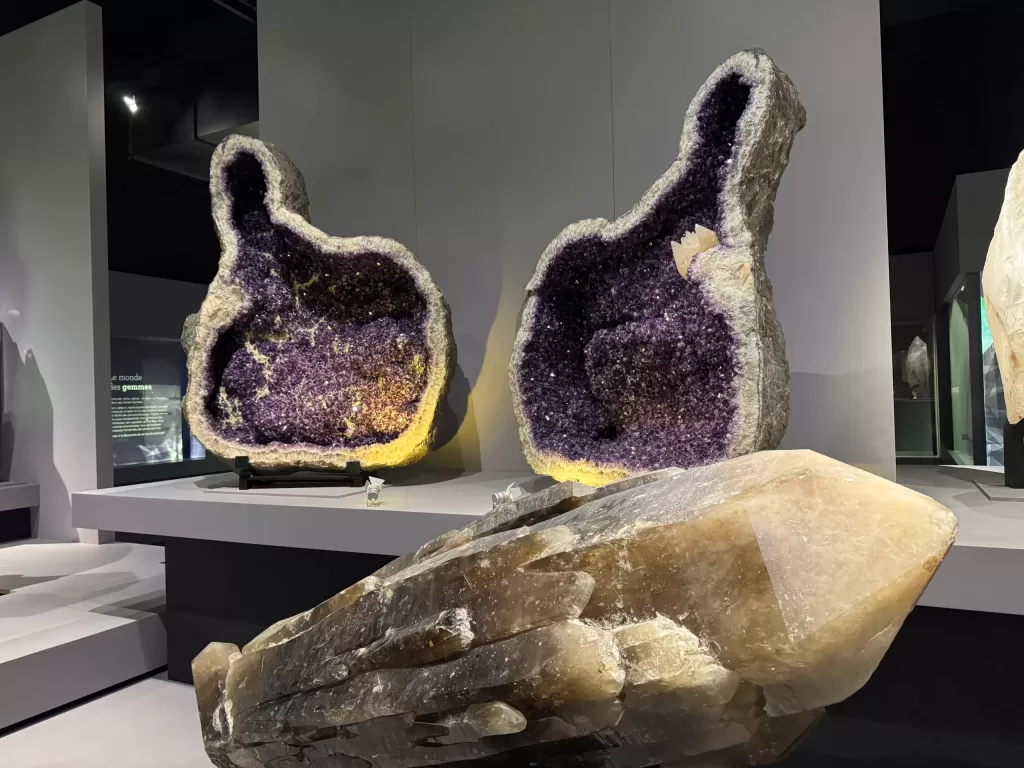
Gallery of Mineralogy and Geology
Founded in 1833, the Gallery of Mineralogy and Geology was created to house one of the world’s most prestigious collections of minerals, crystals, gemstones, and meteorites. As part of the Muséum national d’Histoire naturelle, it became a scientific hub for geology and mineralogy research. Over the centuries, the collection grew to include tens of thousands of specimens, including extraordinary gems once belonging to French royalty. Today, it serves as both a research center and a dazzling exhibition space for the public.
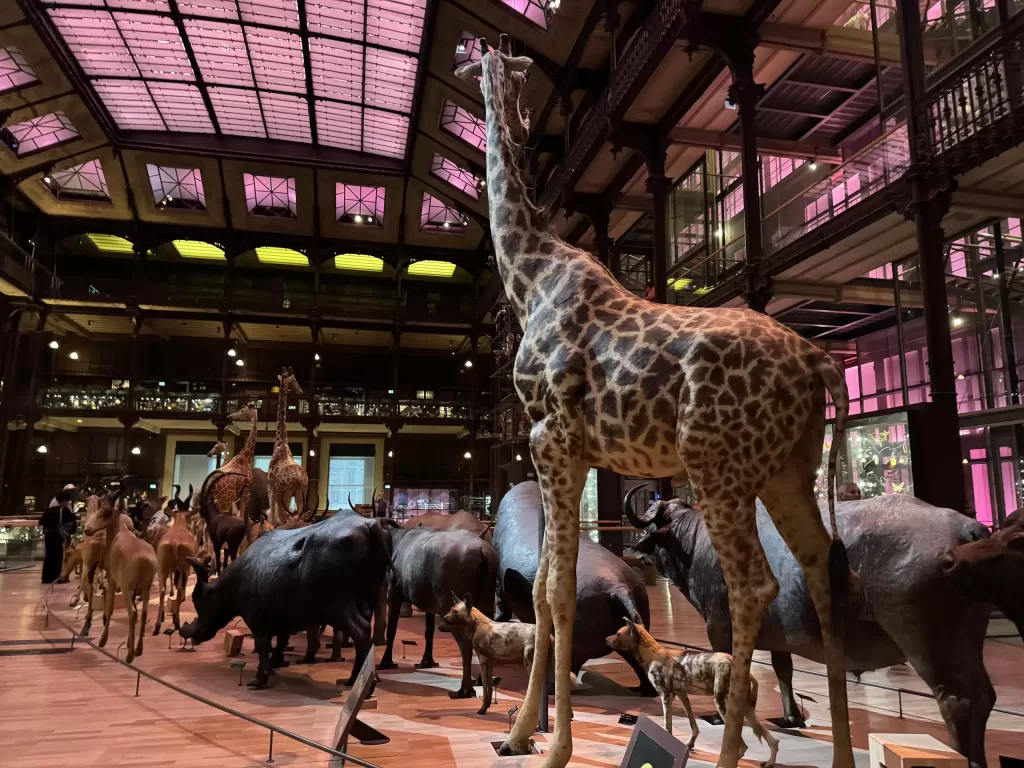
Great Gallery of Evolution
The Grande Galerie de l’Évolution – From Zoology to Wonder
When it first opened in 1889 as the Galerie de Zoologie, this magnificent glass-and-iron hall was a temple dedicated to the diversity of life, showcasing exotic animals from around the world. For decades, it dazzled visitors, but by 1965 the building fell into neglect and closed its doors.Nearly 30 years later, in 1994, it was reborn as the Grande Galerie de l’Évolution, transformed into a modern, immersive museum. Today, visitors walk among life-sized elephants, whales, and lions in dramatic displays that celebrate biodiversity while reminding us of humanity’s impact on nature.
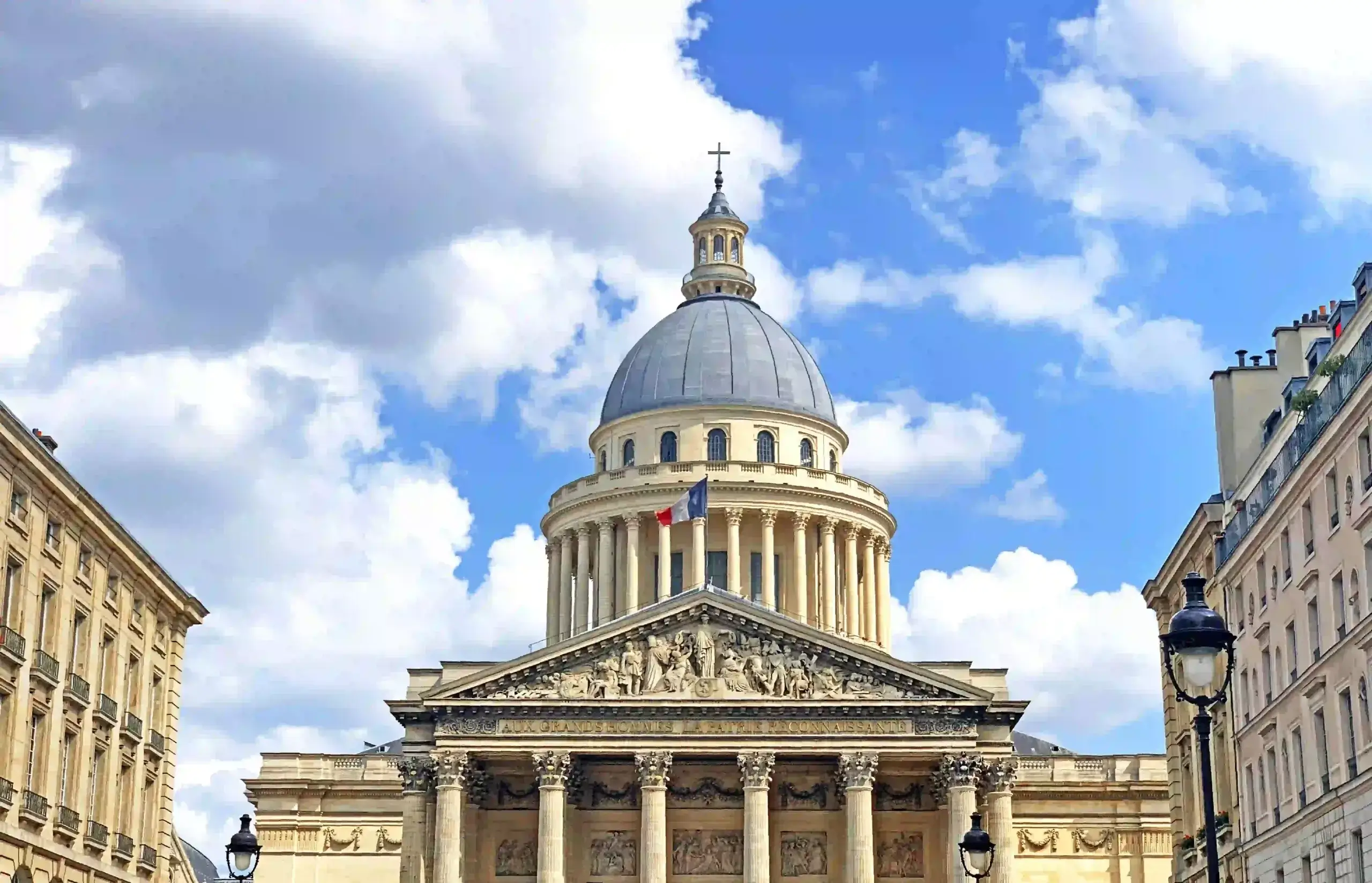
Panthéon Paris: Monument of French History
The Panthéon, originally built between 1758 and 1790 by Jacques-Germain Soufflot as a church, was secularized during the Revolution in 1791 to honor France’s greatest citizens. It oscillated between religious and civic use before becoming a steadfast mausoleum in 1885 with Victor Hugo’s entombment. Notable features—including Foucault’s Pendulum and the crypt—make it a monument to France’s intellectual legacy.
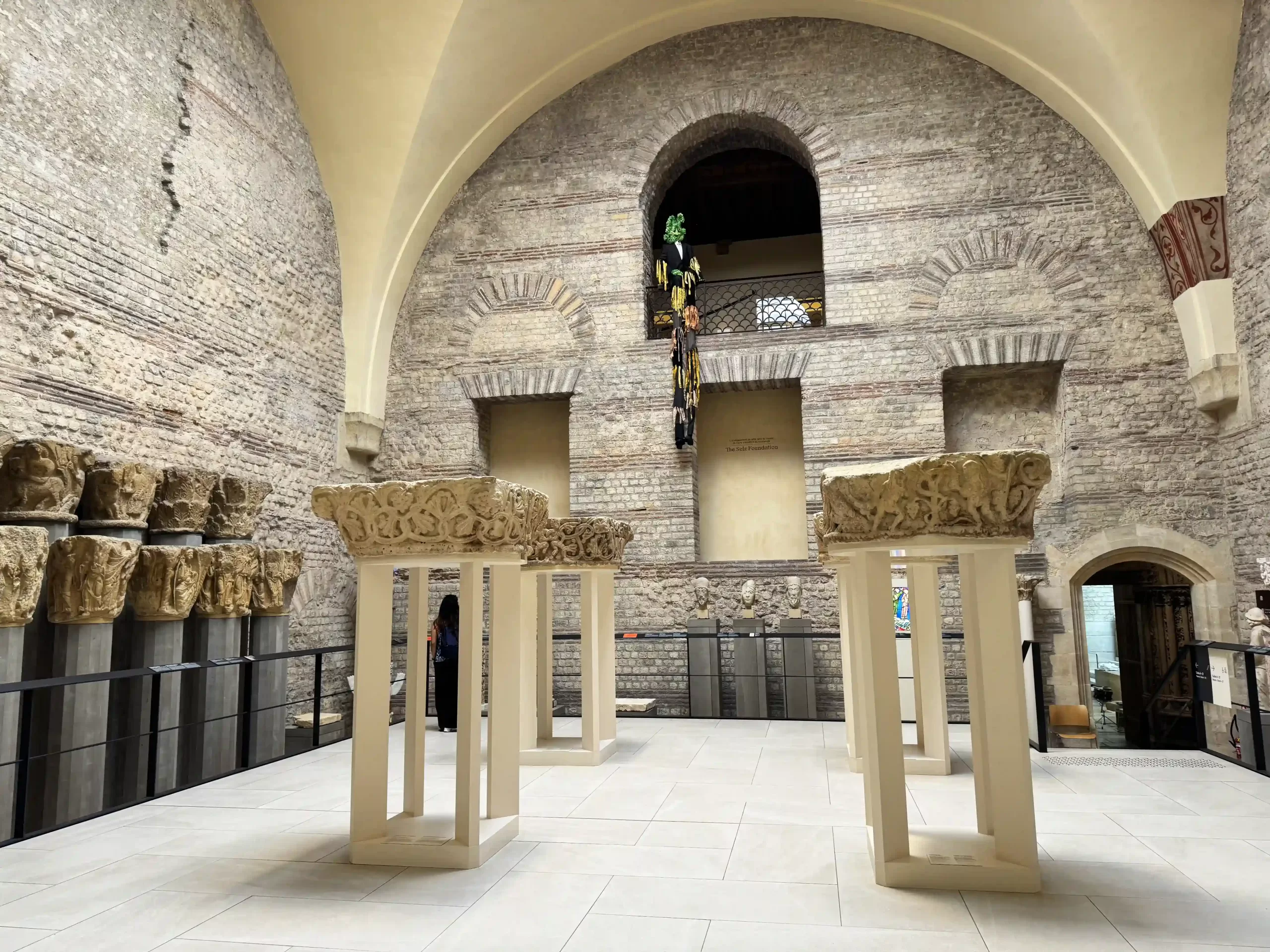
Cluny Museum
The Musée de Cluny is housed in a blend of Gallo-Roman ruins and a Gothic mansion that once served as the residence of the abbots of Cluny. It reopened in 2022 after extensive renovation and now presents a thematic, chronological journey through 1,000 years of medieval history.
The museum is most famous for the « The Lady and the Unicorn » tapestries—a series of six 15th-century masterpieces symbolizing the five senses and a mysterious « sixth sense. »