Search to Discover Top Places in Paris
Explore Attractions for Tag: low budget
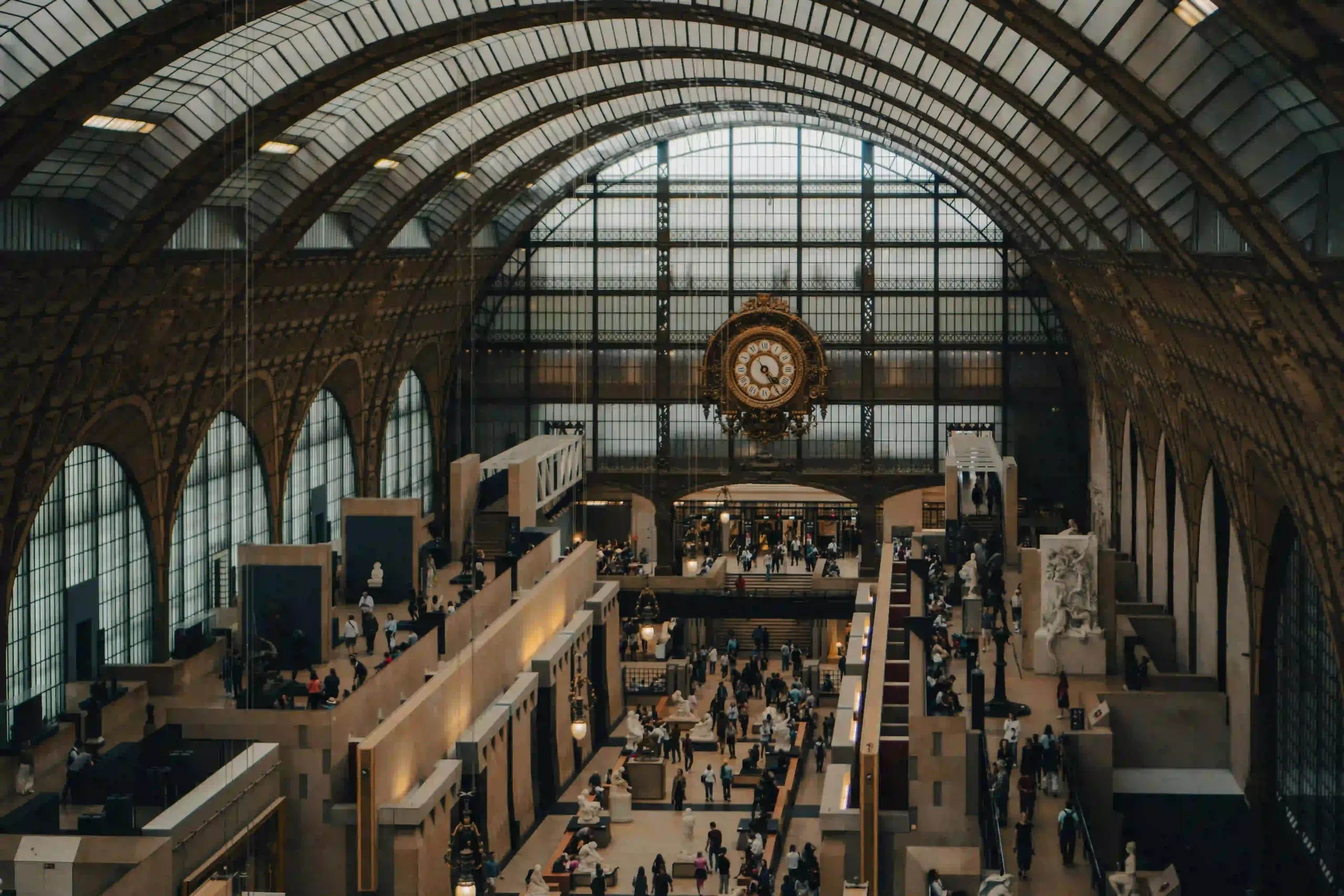
Musée d’Orsay
Housed in what was once the Gare d’Orsay, a 1900 Beaux-Arts train station, the Musée d’Orsay transformed into a museum and officially opened in December 1986 after a bold renovation by Gae Aulenti and team under a plan initiated in the 1970s. It was envisioned to bridge collections between the Louvre and Centre Pompidou. Today, it hosts the world’s largest collection of Impressionist and Post-Impressionist art, set under soaring glass ceilings and original clocks of the old station. A major expansion, funded in part by a €20 million donation, is underway to extend gallery and educational spaces by 2026.
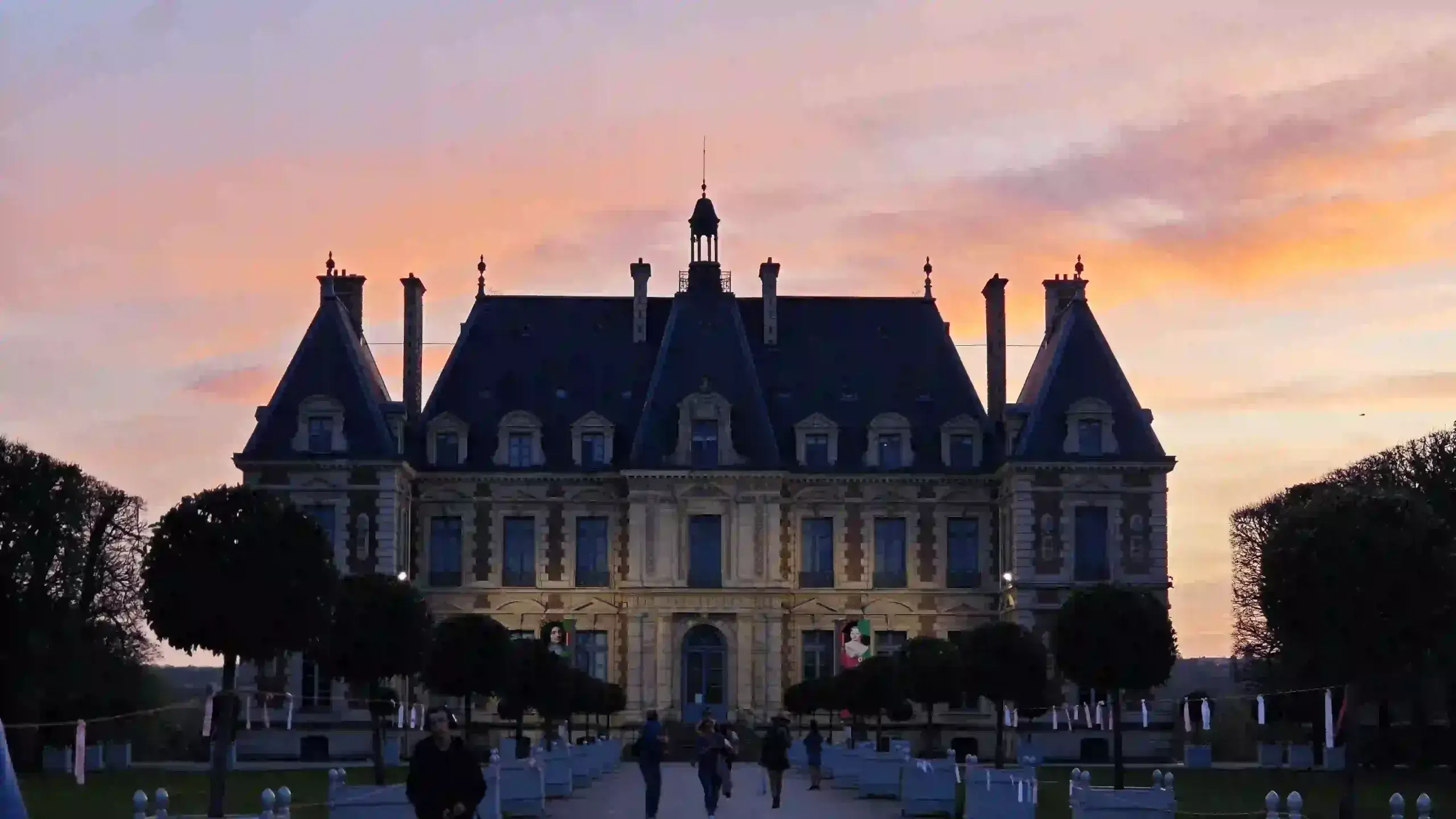
Parc de Sceaux
The Parc de Sceaux, designed in the 17th century by the legendary landscape architect André Le Nôtre, remains one of France’s finest examples of classical garden art. Its grand north-south and east-west perspectives, monumental hydraulic works like the Grand Canal (over one kilometer long), the Octogone, and the Petit Canal still dominate the landscape four centuries later. Historic structures—including the Pavillon de l’Aurore, the Orangerie, castle basins, moats, and the Petit Château—enrich the park’s character and reflect the elegance of the Grand Siècle.
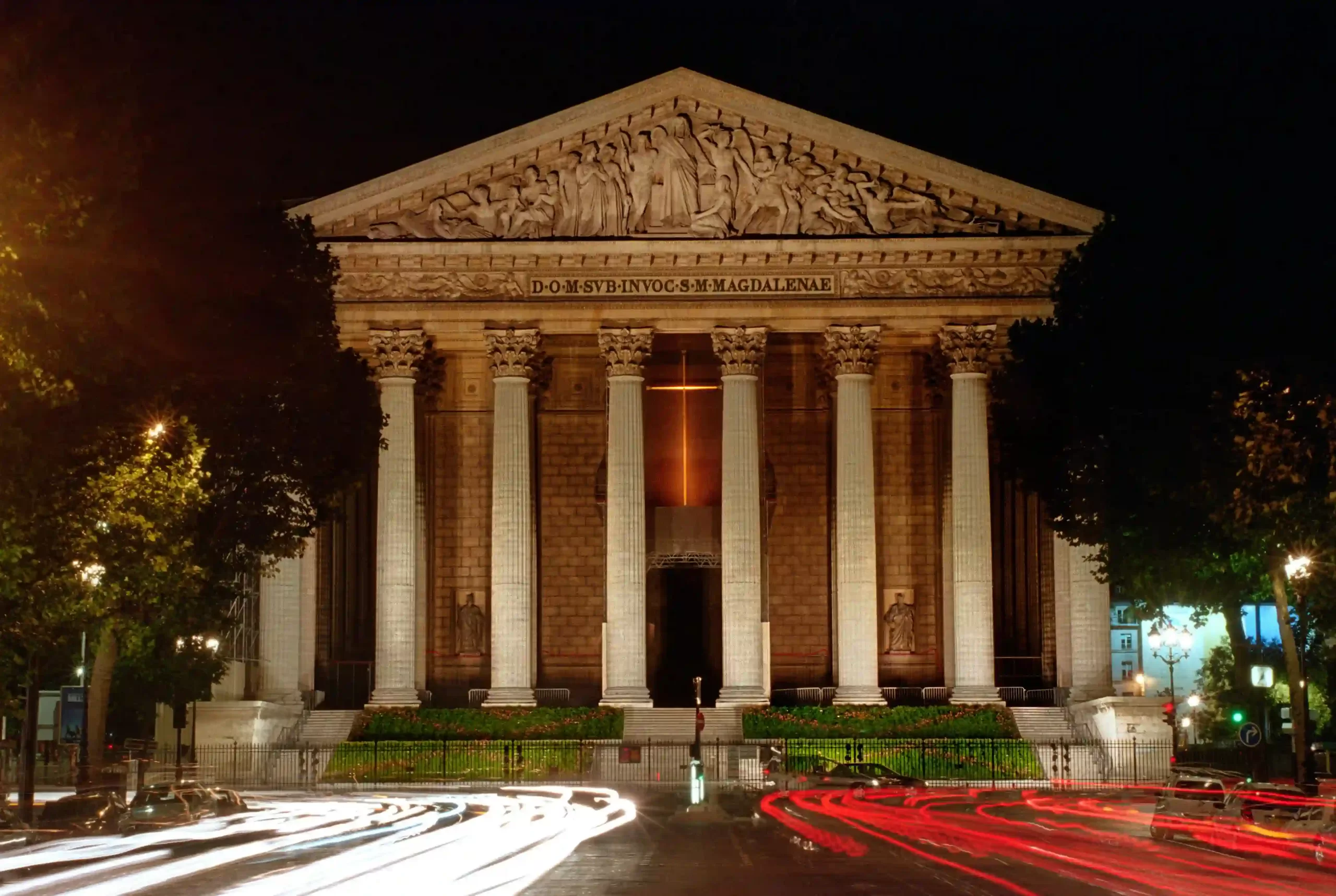
Church of the Madeleine Paris: History & Architecture
La Madeleine Church in Paris, an iconic neoclassical monument near Place de la Concorde, has a fascinating history spanning over 80 years of construction. Originally planned as a parish church in the 18th century, its purpose shifted through France’s political upheavals—from a revolutionary oratory to Napoleon’s envisioned “Temple to the Glory of the Great Army”—before finally being consecrated as a Catholic church. Blending the grandeur of ancient temples with Parisian elegance, La Madeleine stands today as both a place of worship and one of the city’s most striking historic landmarks.
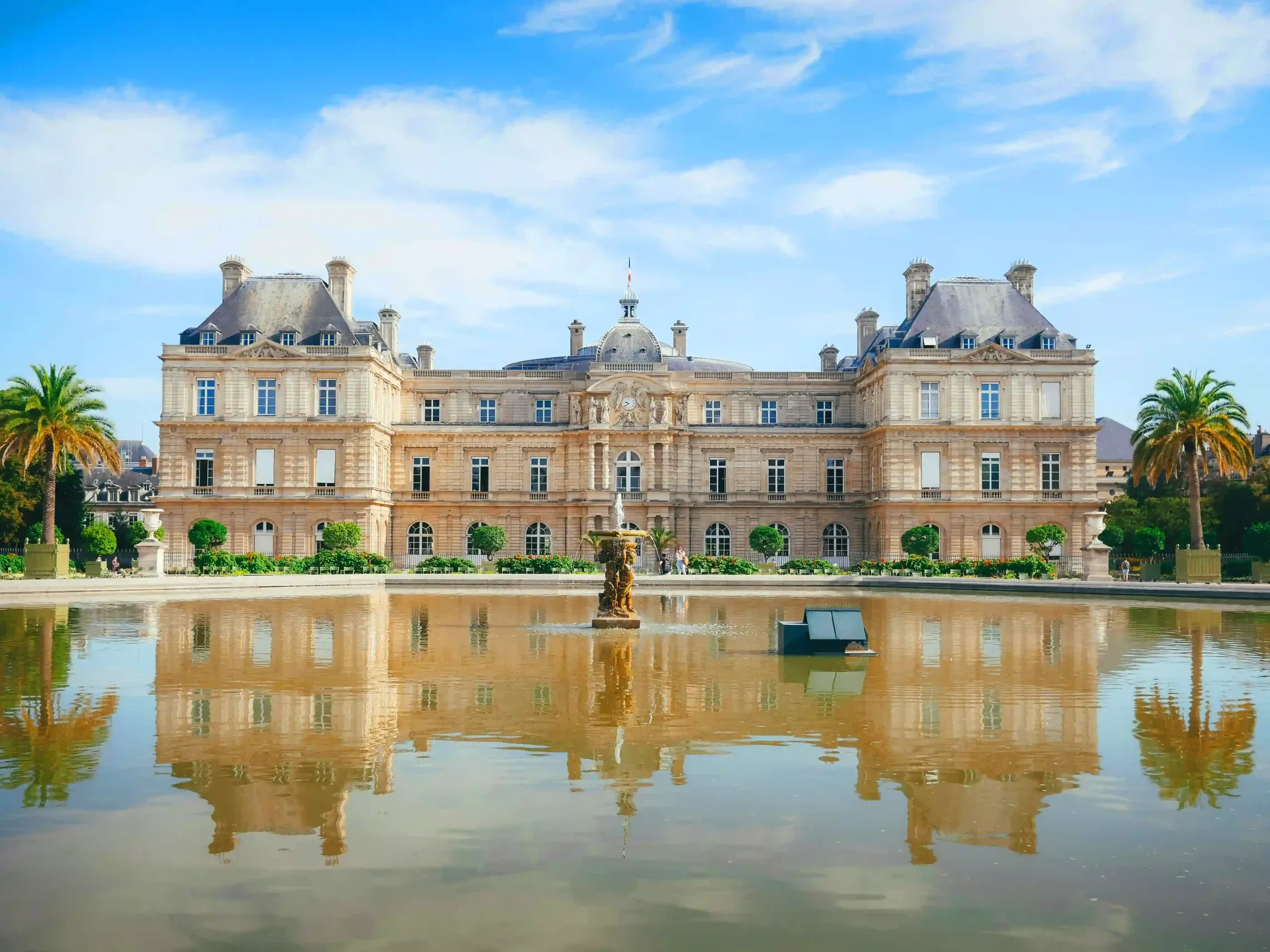
Luxembourg Garden Paris: Travel Tips & Opening Hours
Commissioned by Queen Marie de Medici in 1612,
the Jardin du Luxembourg was inspired by the Boboli
Gardens of Florence. Centered around the Palais du
Luxembourg (now the French Senate), the 25-hectare
park offers classical French and English-style gardens,
ornamental fountains, and nearly 100 statues.
A beloved Parisian retreat, the garden serves as a
vibrant cultural and social hub, featuring art exhibitions,
concerts, and public leisure spaces.
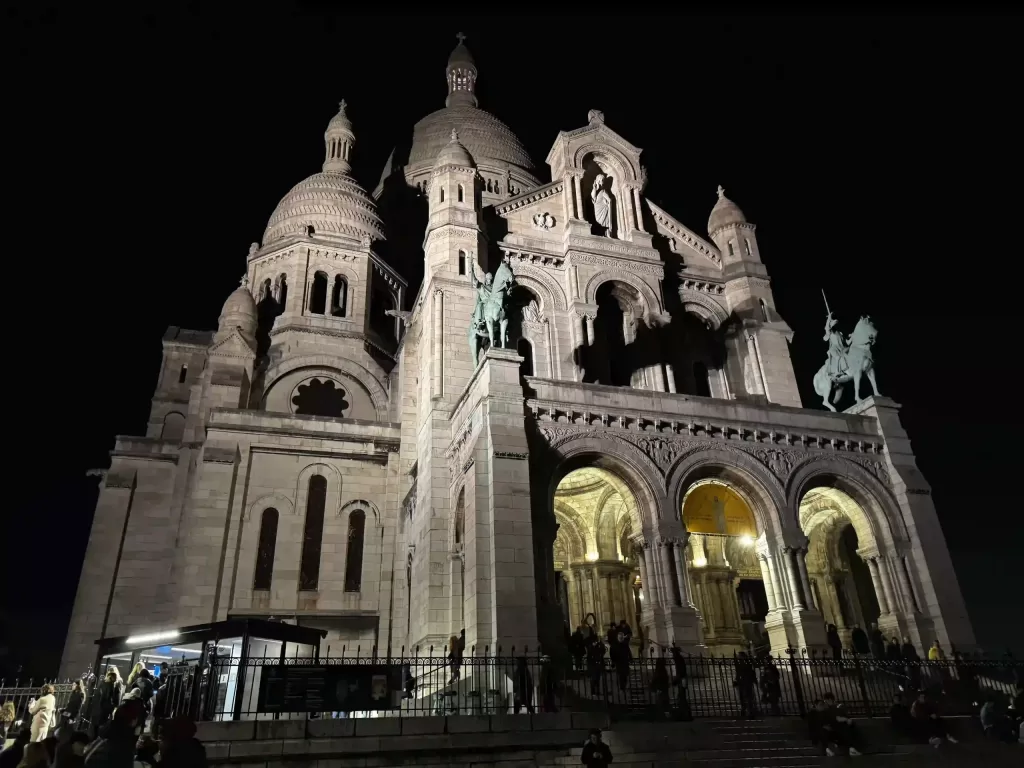
Sacré-Cœur Basilica
Built between 1875 and 1914, Sacré-Cœur Basilica is a symbol of national reconciliation and devotion following France’s 19th-century turmoil.
The basilica’s Romano-Byzantine style contrasts with the city’s Gothic cathedrals and features France’s largest mosaic, « Christ in Majesty. »
Perched atop Montmartre—Paris’s highest point—the site has long attracted pilgrims, artists, and dreamers.
The basilica remains a place of perpetual adoration since 1885.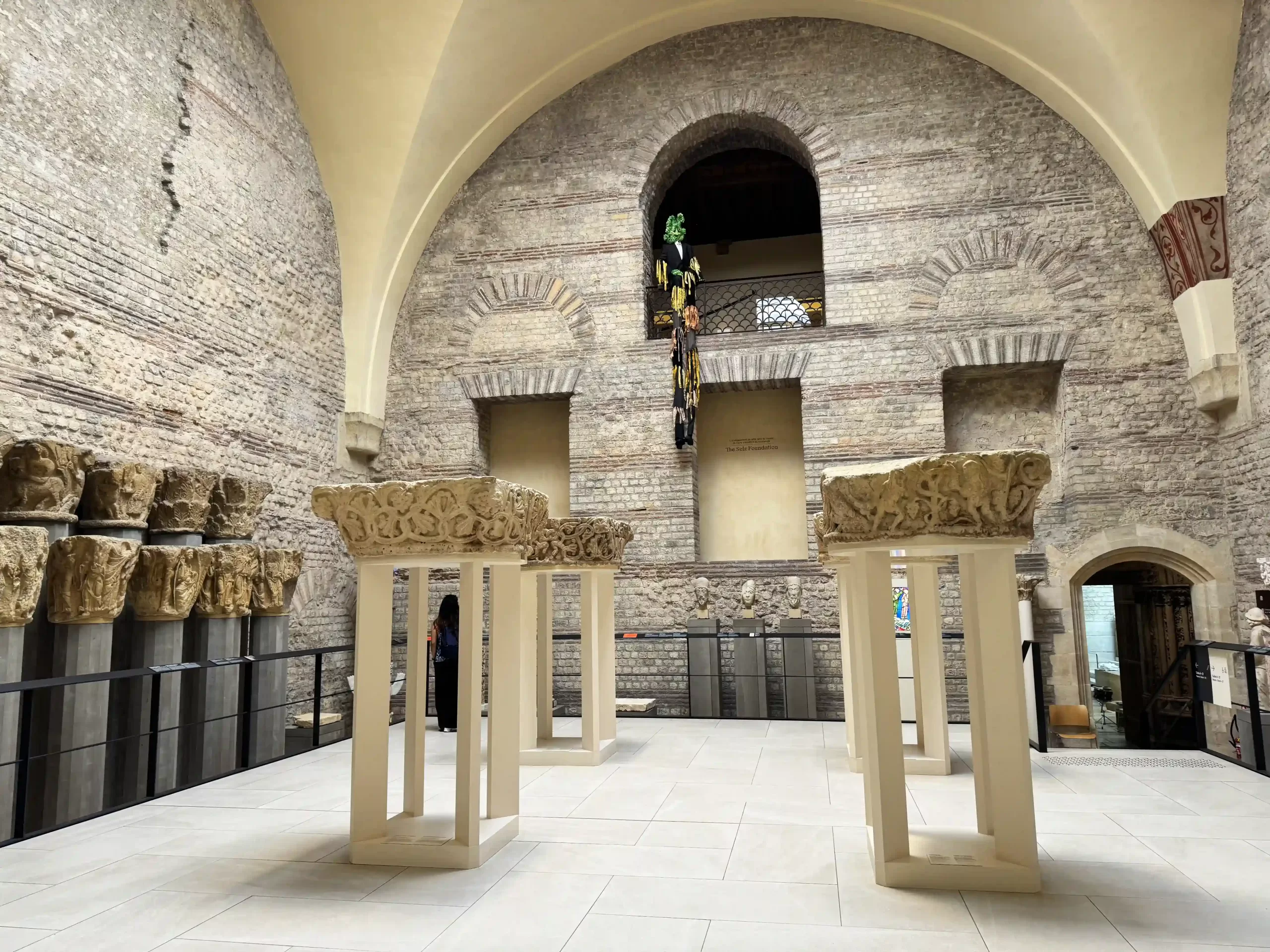
Cluny Museum
The Musée de Cluny is housed in a blend of Gallo-Roman ruins and a Gothic mansion that once served as the residence of the abbots of Cluny. It reopened in 2022 after extensive renovation and now presents a thematic, chronological journey through 1,000 years of medieval history.
The museum is most famous for the « The Lady and the Unicorn » tapestries—a series of six 15th-century masterpieces symbolizing the five senses and a mysterious « sixth sense. »