Search to Discover Top Places in Paris
Explore Attractions for Tag: couple travel
Musée de l’Homme Paris: Explore Human Evolution
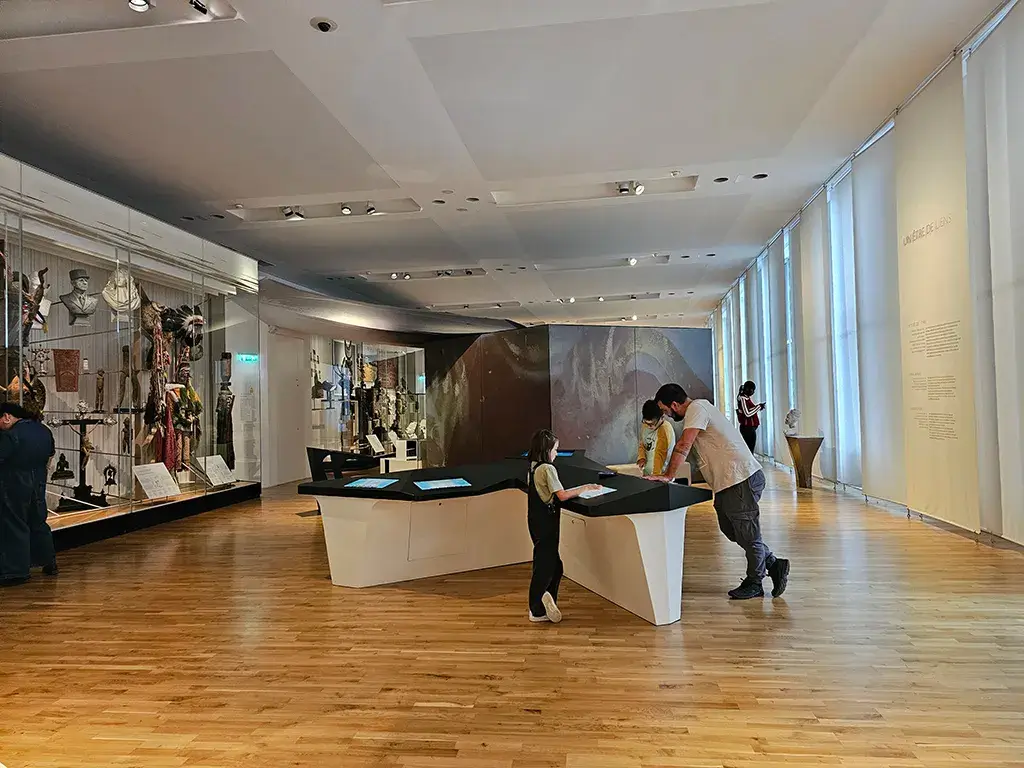
Founded in 1937 by the visionary ethnologist Paul Rivet, the Musée de l’Homme was established to showcase humanity’s biological, cultural, and social evolution. It replaced the former Musée d’Ethnographie at the Trocadéro and became a hub for anthropological research. After a major renovation between 2009 and 2015, the museum reopened with a modern, interactive layout that connects visitors to the story of humankind — from prehistoric origins to global cultural diversity.
Police Prefecture Museum
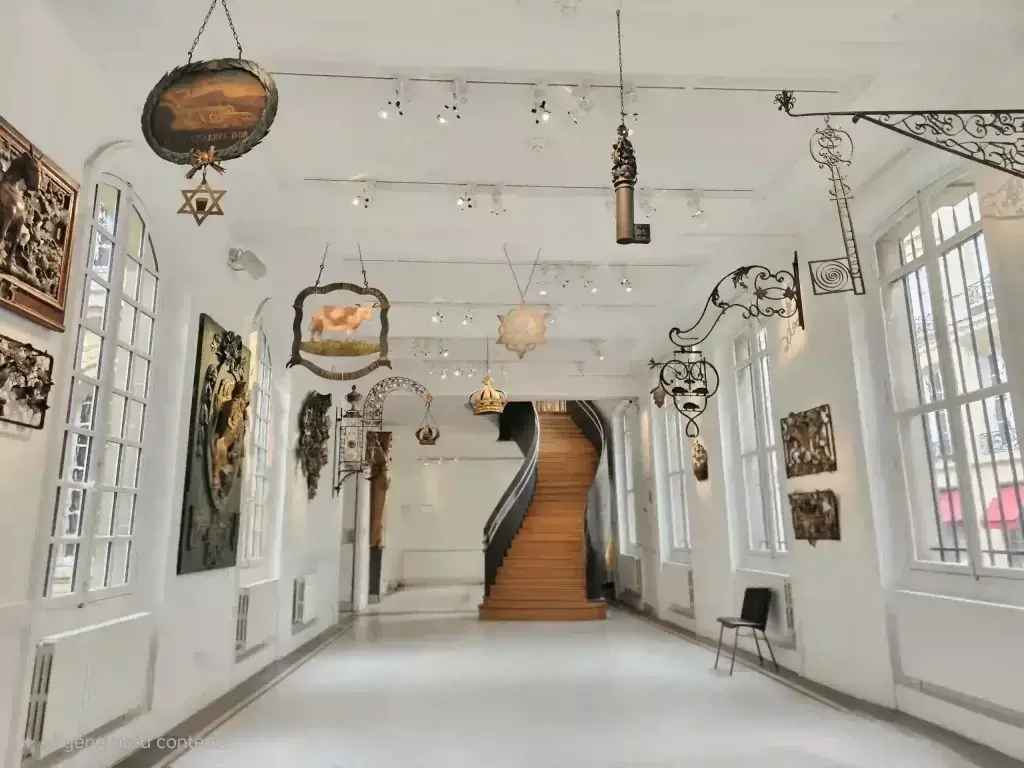
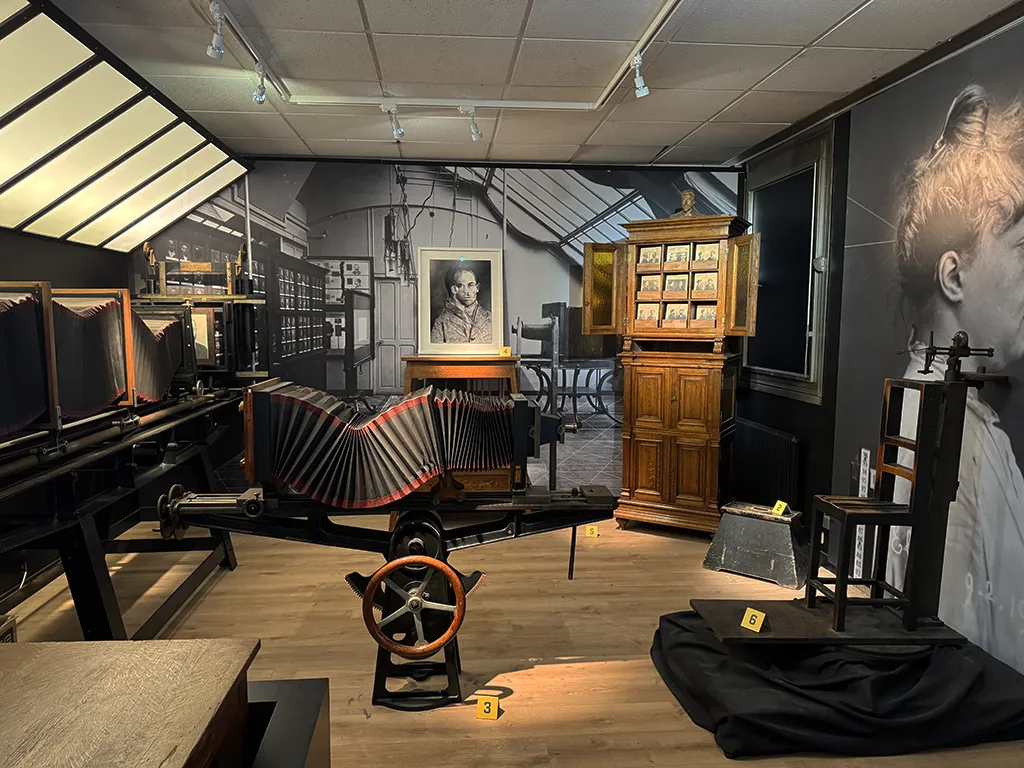
The Musée de la Préfecture de Police was founded in 1909 by Police Prefect Louis Lépine, who wanted to create a public archive of the Paris police’s history. The museum traces the evolution of law enforcement, criminal investigations, and famous cases in Paris, from the Middle Ages to modern times. It showcases artifacts such as ancient weapons, police uniforms, forensic tools, and documents from legendary cases like the Affair of Landru and the French Resistance during WWII. Today, the museum is a unique window into the history of crime, order, and justice in the French capital.
Parc Floral Paris – Botanical Gardens & Family Fun
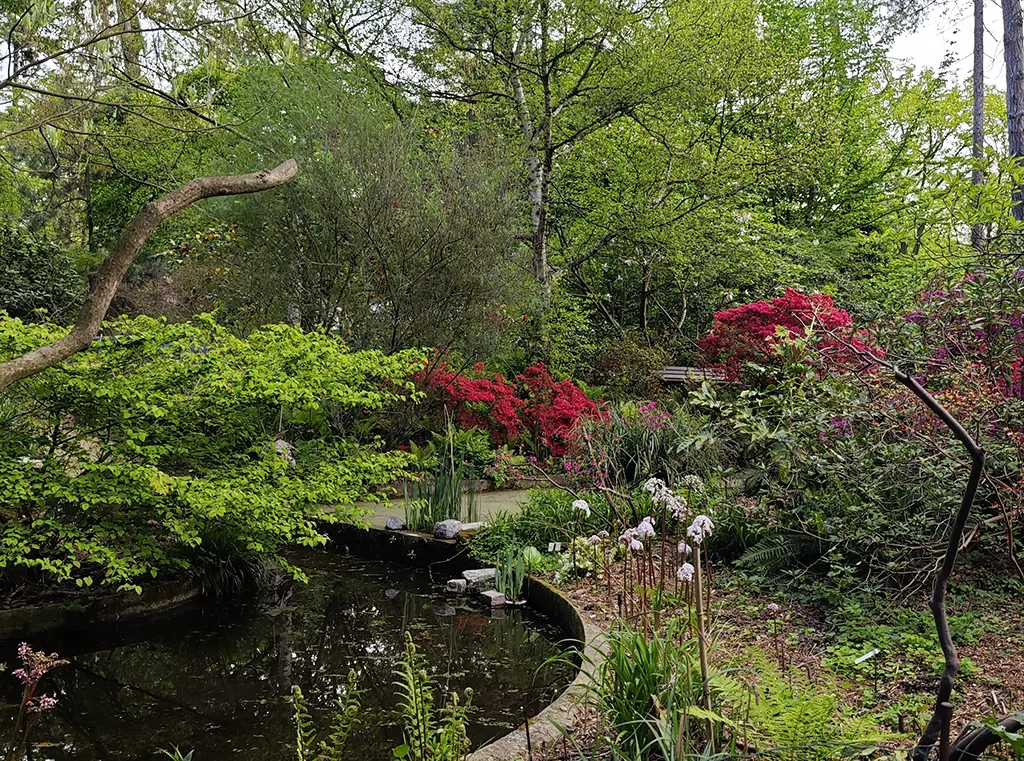
The Parc Floral de Paris was created in 1969 for the Third International Flower Show, becoming Paris’s newest botanical park. Designed as both a botanical garden and leisure park, it combines themed gardens (iris, dahlias, bonsais, medicinal plants) with recreational areas. Over the decades, it has become one of Paris’s most beloved green spaces, hosting cultural events, plant shows, and music festivals while serving as a center for biodiversity in the Bois de Vincennes.

Gallery of Mineralogy and Geology
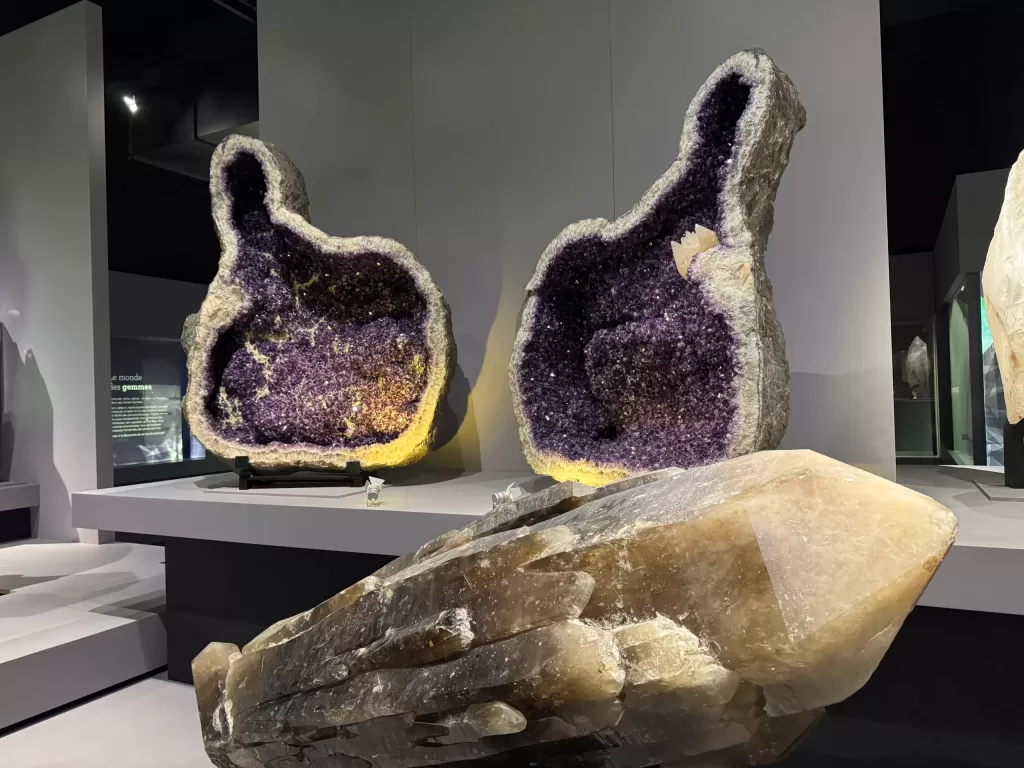
Founded in 1833, the Gallery of Mineralogy and Geology was created to house one of the world’s most prestigious collections of minerals, crystals, gemstones, and meteorites. As part of the Muséum national d’Histoire naturelle, it became a scientific hub for geology and mineralogy research. Over the centuries, the collection grew to include tens of thousands of specimens, including extraordinary gems once belonging to French royalty. Today, it serves as both a research center and a dazzling exhibition space for the public.
Great Gallery of Evolution
The Grande Galerie de l’Évolution – From Zoology to Wonder
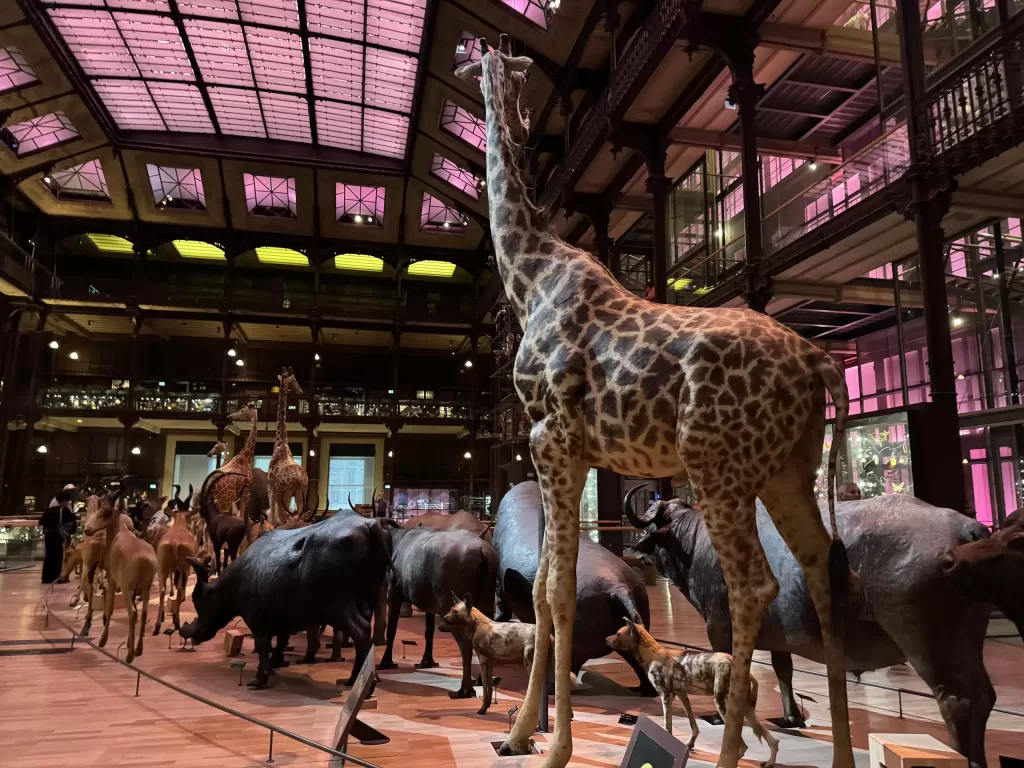
When it first opened in 1889 as the Galerie de Zoologie, this magnificent glass-and-iron hall was a temple dedicated to the diversity of life, showcasing exotic animals from around the world. For decades, it dazzled visitors, but by 1965 the building fell into neglect and closed its doors.Nearly 30 years later, in 1994, it was reborn as the Grande Galerie de l’Évolution, transformed into a modern, immersive museum. Today, visitors walk among life-sized elephants, whales, and lions in dramatic displays that celebrate biodiversity while reminding us of humanity’s impact on nature.
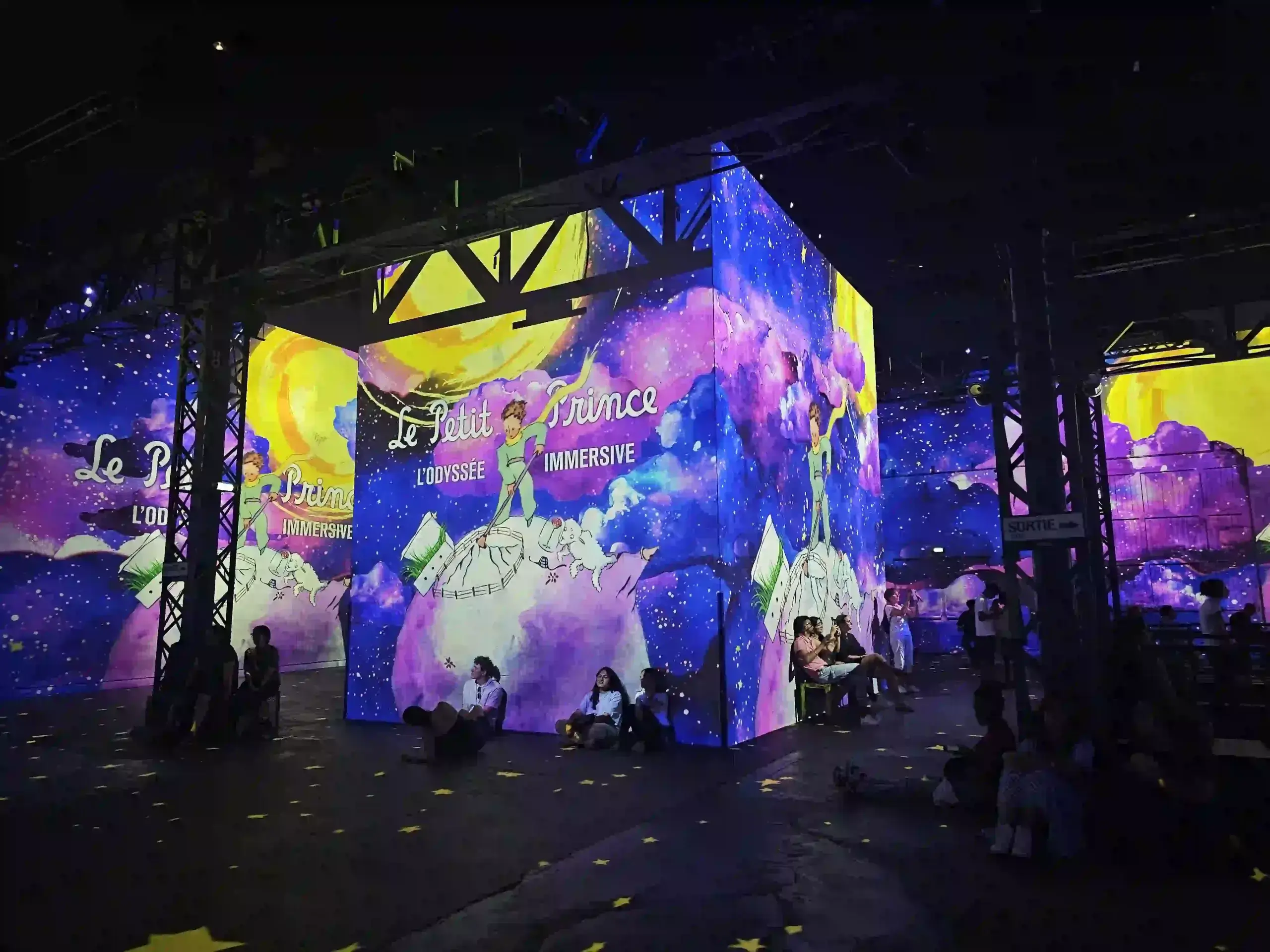
Atelier des Lumières
The Atelier des Lumières opened in 2018 as Paris’s first fully digital art center, transforming a 19th-century foundry into a space for immersive exhibitions. Created by Culturespaces, it uses 140 projectors and a unique sound system to bring masterpieces of Van Gogh, Klimt, Monet, and others to life on walls up to 10 meters high. It quickly became one of Paris’s most innovative cultural attractions, merging art, technology, and architecture for a multisensory experience.
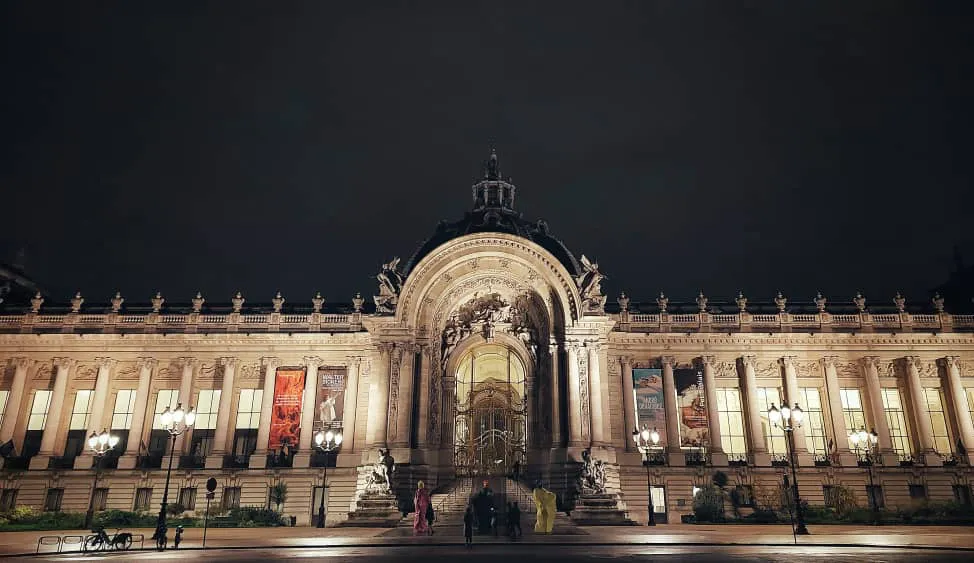
Petit Palais Paris: What to Expect Inside This Free Fine Arts Museum
The Petit Palais was built for the 1900 Exposition Universelle, on the new avenue linking the Champs-Élysées to the Invalides across the Pont Alexandre III. Architect Charles Girault, winner of the design competition, raised it between 1897 and 1900 around a semicircular garden, mixing stone, metal and then-new reinforced concrete with mosaics, stained glass and painted ceilings. After the fair it became the City of Paris Museum of Fine Arts in 1902, the same year the Dutuit brothers gave nearly 20,000 works. Today its free permanent collection runs from Greek vases to 1914, with Rembrandt, Rubens, Fragonard, Delacroix, Courbet, Monet and Cézanne, Art Nouveau rooms by Gallé and Guimard, and a rare group of Orthodox icons. Renovated from 2001 to 2005, it welcomed nearly 1.2 million visitors in 2023.
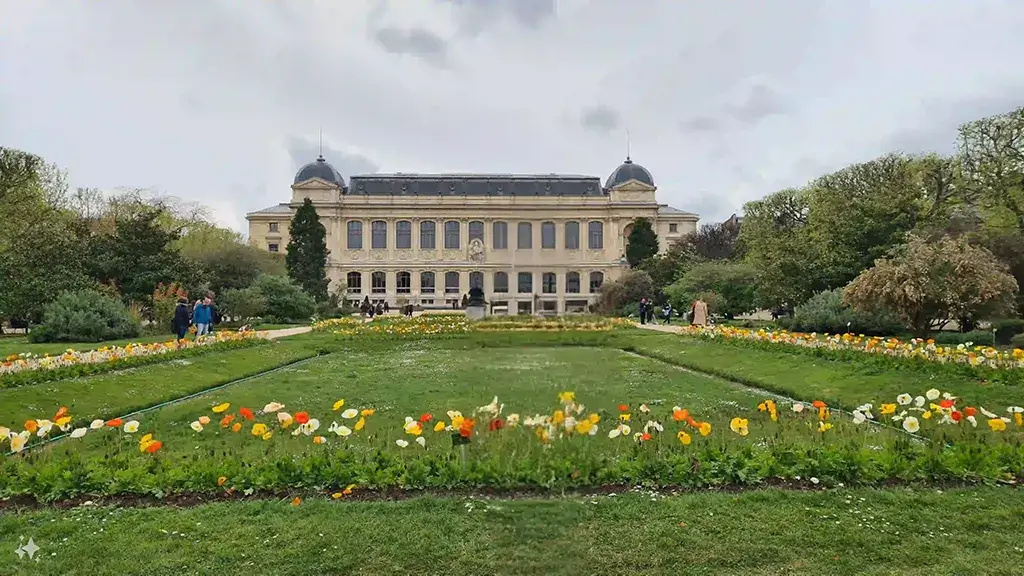
Jardin des Plantes
Founded in 1626 as a royal medicinal herb garden for Louis XIII, the Jardin des Plantes opened to the public in 1640. It later became part of the French National Museum of Natural History during the Revolution. Today, it is not only a vast botanical garden but also houses the Menagerie Zoo, the Grande Galerie de l’Évolution, mineralogy and paleontology galleries, and several historic greenhouses. It remains a center of science, education, and recreation for locals and visitors alike.

Rodin Museum
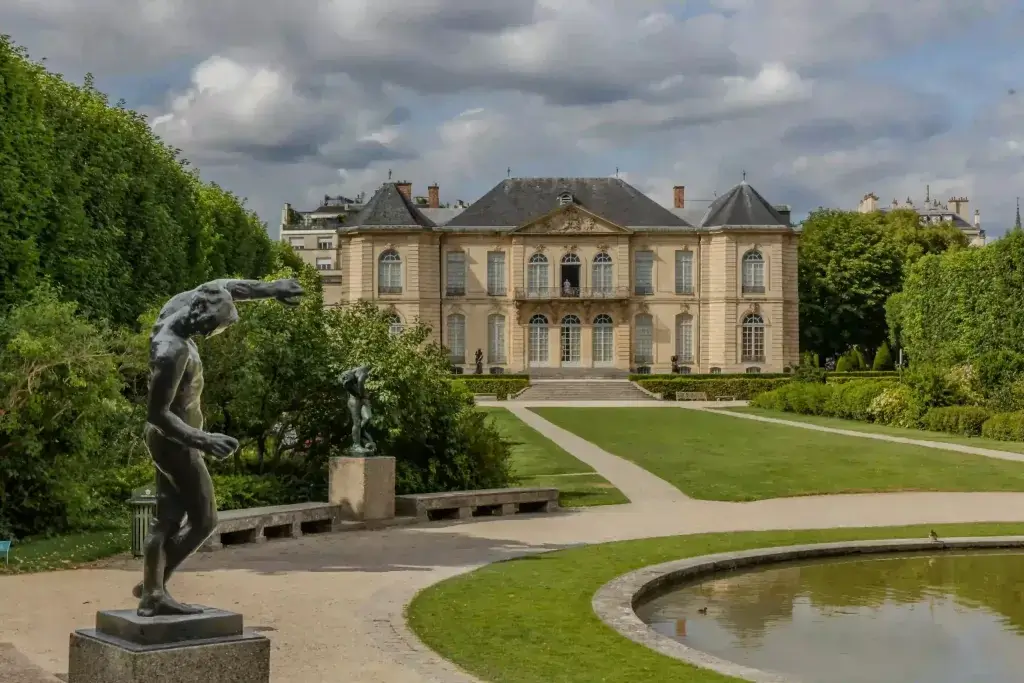
The Musée Rodin was inaugurated in 1919 inside the Hôtel Biron, an 18th-century mansion where Auguste Rodin once lived and worked. Rodin donated his entire collection of sculptures, drawings, and archives to the French state on the condition that the Hôtel Biron be turned into a museum dedicated to his art. Today, it showcases masterpieces such as The Thinker, The Kiss, and The Gates of Hell, alongside works by Camille Claudel. The gardens display monumental sculptures, making it one of the most unique art museums in Paris.
Carnavalet Museum: Paris History & City Secrets
One of the oldest museums dedicated to Paris’s story, Musée Carnavalet opened in 1880 in the Renaissance Hôtel Carnavalet (built 1548–1560) and expanded over time—including the annexation of Hôtel Le Peletier de Saint-Fargeau in 1989. Closed for major renovations in 2016, it reopened in March 2021 with rich new displays and modernized visitor paths, offering over 625,000 artifacts chronicling Paris from prehistory to today.
Victor Hugo House Paris: Explore the Life of a Literary Icon
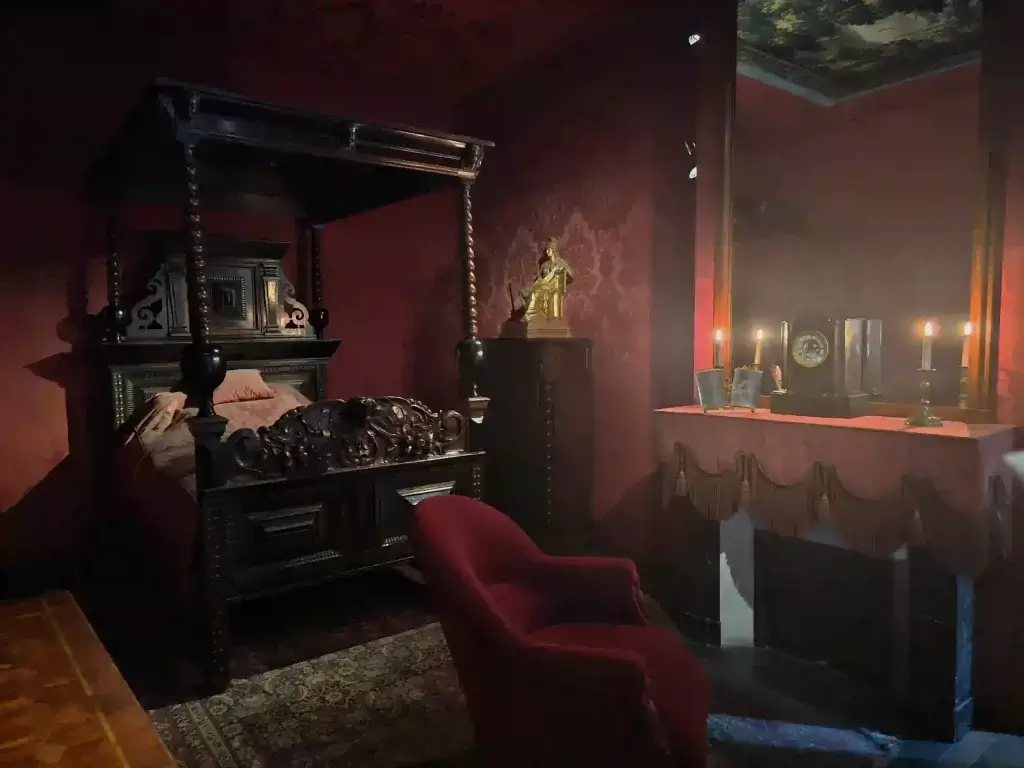
Housed since 1903 in the very apartment where Victor Hugo lived from 1832 to 1848, the museum emerged thanks to the generosity of writer friend Paul Meurice, who donated his collections to Paris. Hugo wrote iconic works like Les Misérables and Ruy Blas within these walls. After major renovations (closed 2019–2020), the house now welcomes visitors with restored rooms, a pedagogical space, and a café overlooking the courtyard.
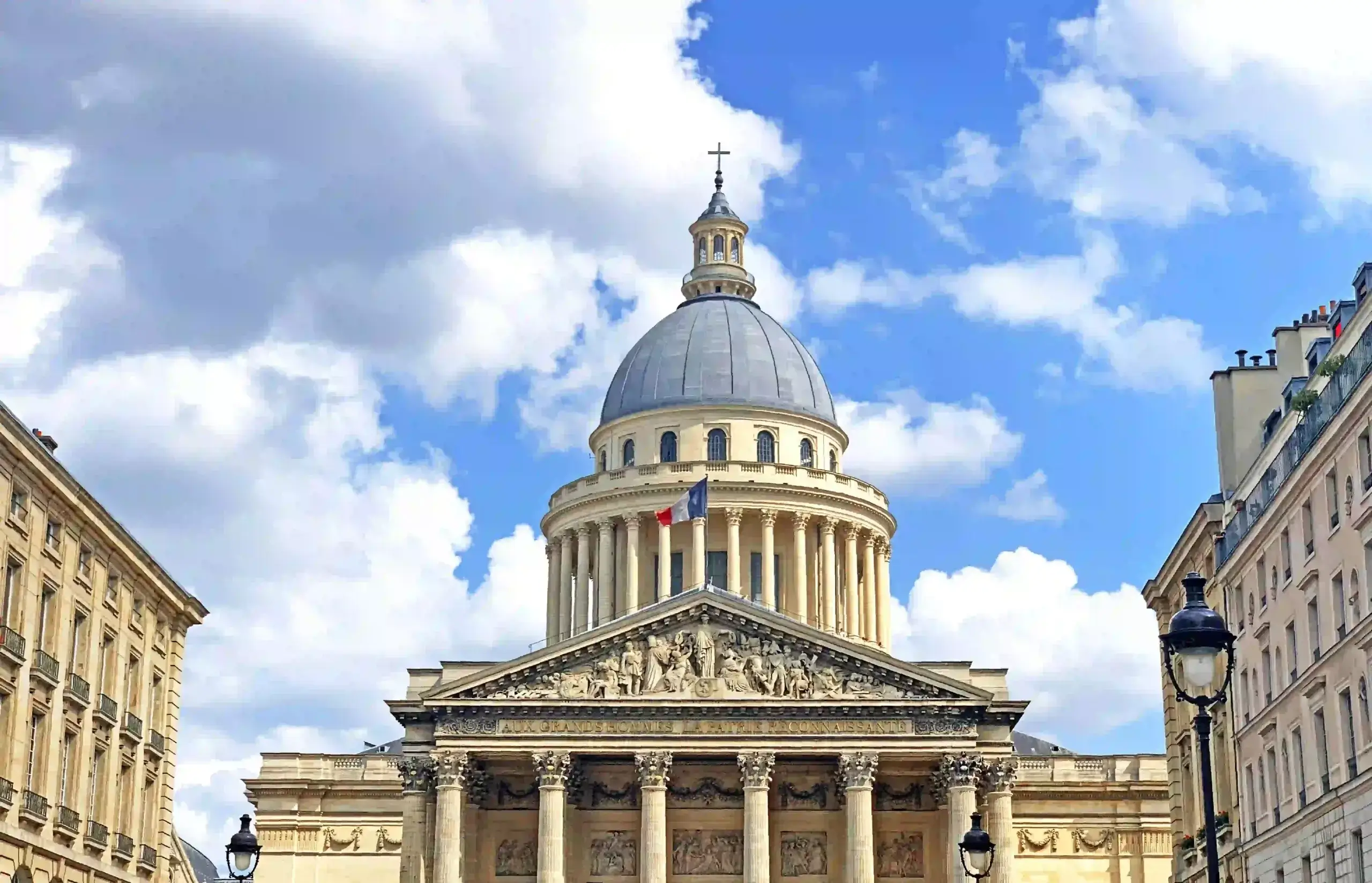
Panthéon Paris: Monument of French History
The Panthéon, originally built between 1758 and 1790 by Jacques-Germain Soufflot as a church, was secularized during the Revolution in 1791 to honor France’s greatest citizens. It oscillated between religious and civic use before becoming a steadfast mausoleum in 1885 with Victor Hugo’s entombment. Notable features—including Foucault’s Pendulum and the crypt—make it a monument to France’s intellectual legacy.