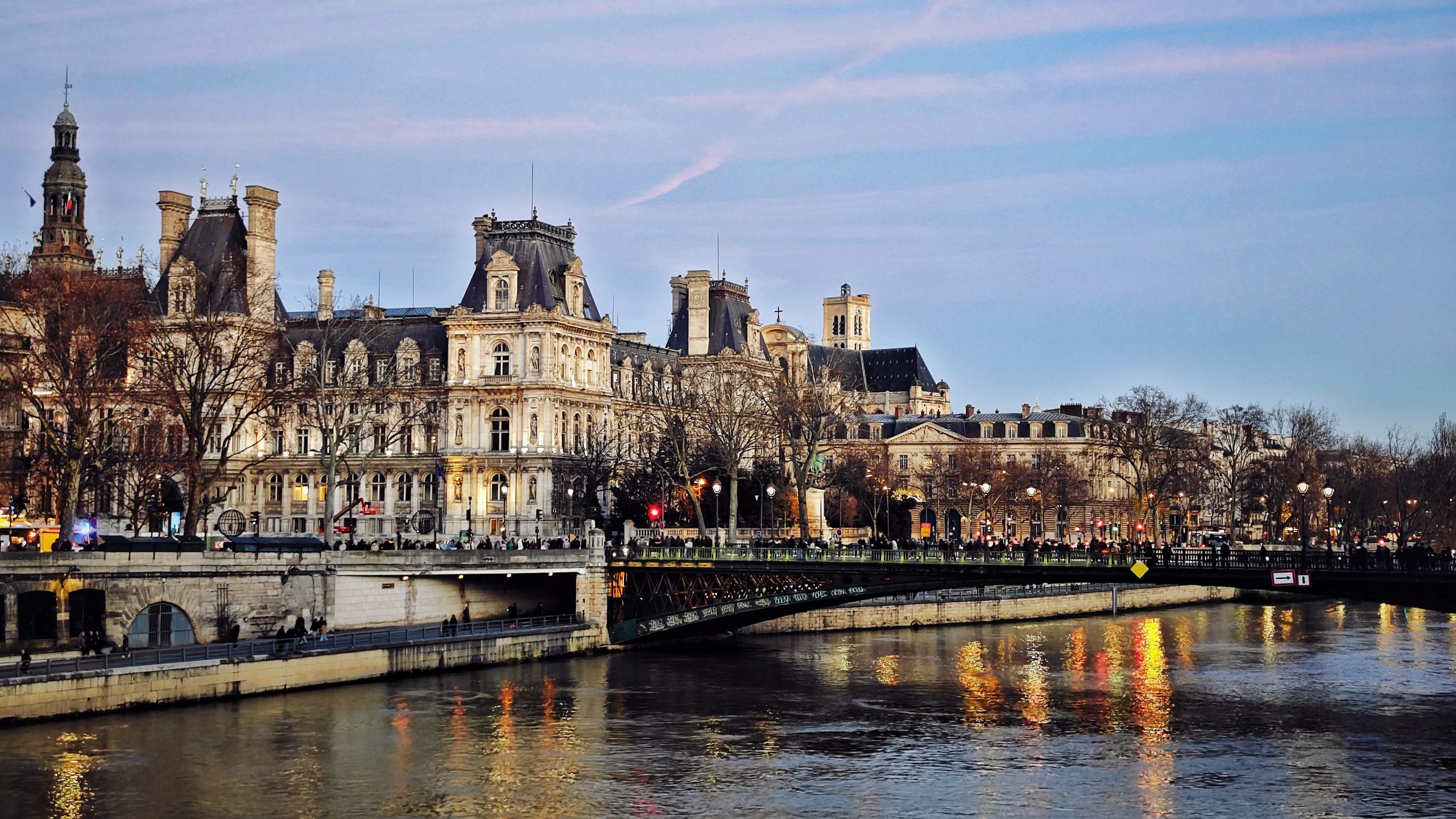
Discover Paris Behind Closed Doors: Journées du Patrimoine
Every September, Paris throws open its most secretive doors during the Journées Européennes du Patrimoine (European Heritage Days) — a weekend when history lovers, locals, and curious travelers gain rare access to places that are normally closed to the public. For one weekend only, presidential palaces, private mansions, government ministries, embassies, theaters, and historic institutions welcome visitors completely free of charge, offering an unmatched behind-the-scenes look at the city’s architectural and cultural heritage.
The tradition dates back to 1984, when French Minister of Culture Jack Lang launched the first “Journée portes ouvertes dans les monuments historiques” to reconnect the public with France’s historic buildings. In 1991, Lang proposed extending the idea across the continent at a Council of Europe conference in Granada, and the event was reborn as European Heritage Days — now held every September in more than 40 countries, from France to Japan.
Plan Your Paris Trip in 60 Seconds!
Get a personalized itinerary created by locals in 60 seconds. We’ll tell you the best time to visit, hidden viewpoints, and how to avoid crowds.
In 2026, the Paris edition takes place on September 19–20, marking the event’s 43rd anniversary. This year’s national themes are “Patrimoine en péril: raviver, résister, réimaginer” (Heritage in Peril: Revive, Resist, Reimagine) and “Patrimoine de la photographie” (Heritage of Photography), spotlighting both endangered sites and France’s photographic history. Across France, the 2025 edition alone saw more than 18,500 locations open their doors, drawing over 7.4 million visits — and Paris remains the busiest stage of them all. If you love uncovering hidden Paris and experiencing the city like a local, Journées du Patrimoine is an event you shouldn’t miss — and if you’ve just missed the 2026 weekend, mark your calendar for the third weekend of September 2027.
What Is Journées du Patrimoine?
Journées du Patrimoine — officially “Journées Européennes du Patrimoine,” or European Heritage Days — is an annual, government-coordinated open-doors weekend letting the public step inside buildings normally private, restricted, or too busy to visit any other time of year. Created in 1984 by Minister of Culture Jack Lang, it became Europe-wide in 1991 after a Council of Europe conference in Granada, Spain. Today it’s coordinated by the French Ministry of Culture and mirrored across 40+ countries under the Council of Europe and European Commission’s joint patronage.
In Paris, this is the one weekend a year when the Élysée Palace, the National Assembly, and dozens of embassies and ministries drop their usual security barriers and let ordinary visitors walk through halls of power, private courtyards, and rooms otherwise reserved for state business.
Dates & Theme for 2026
The 2026 edition runs Saturday–Sunday, September 19–20. This year’s national themes are “Patrimoine en péril: raviver, résister, réimaginer” and “Patrimoine de la photographie” — so alongside the usual palaces and mansions, expect special programming around endangered heritage sites and France’s photographic archives. The full, searchable programme for Paris and Île-de-France is published closer to the date at journeesdupatrimoine.culture.gouv.fr.
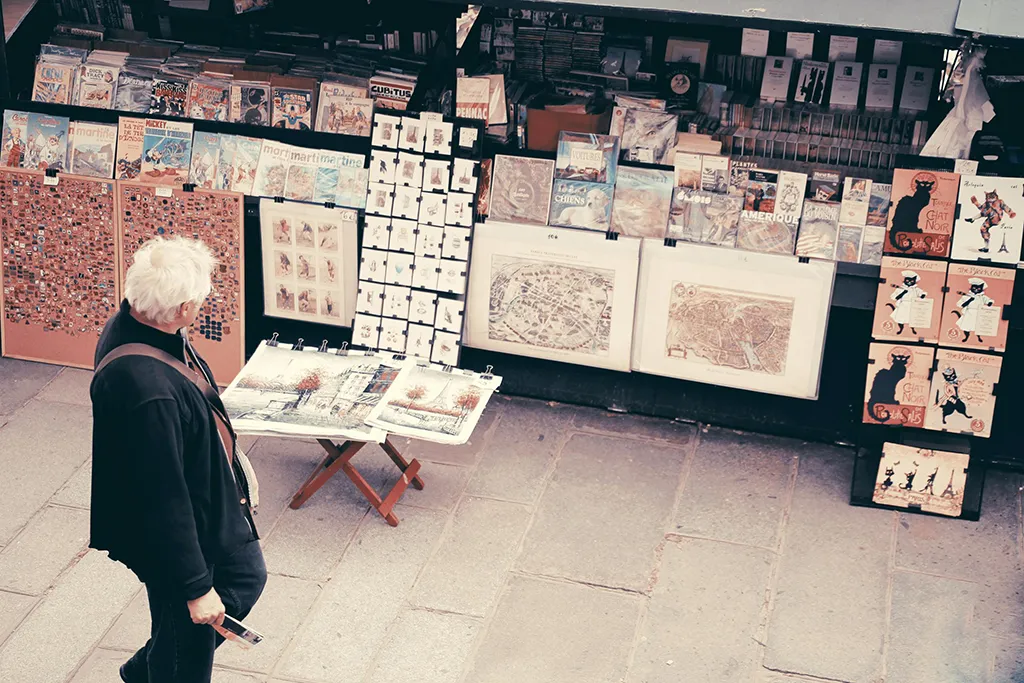
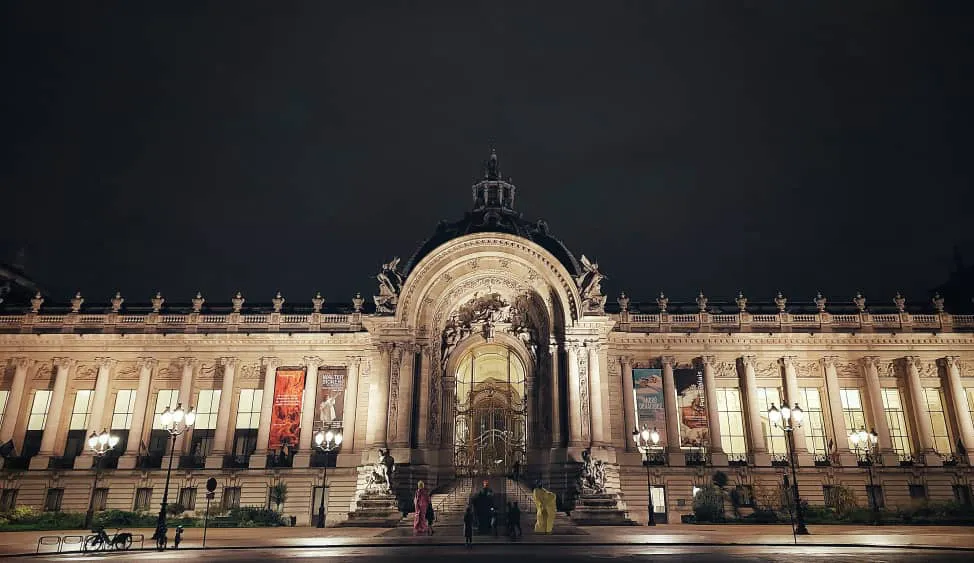
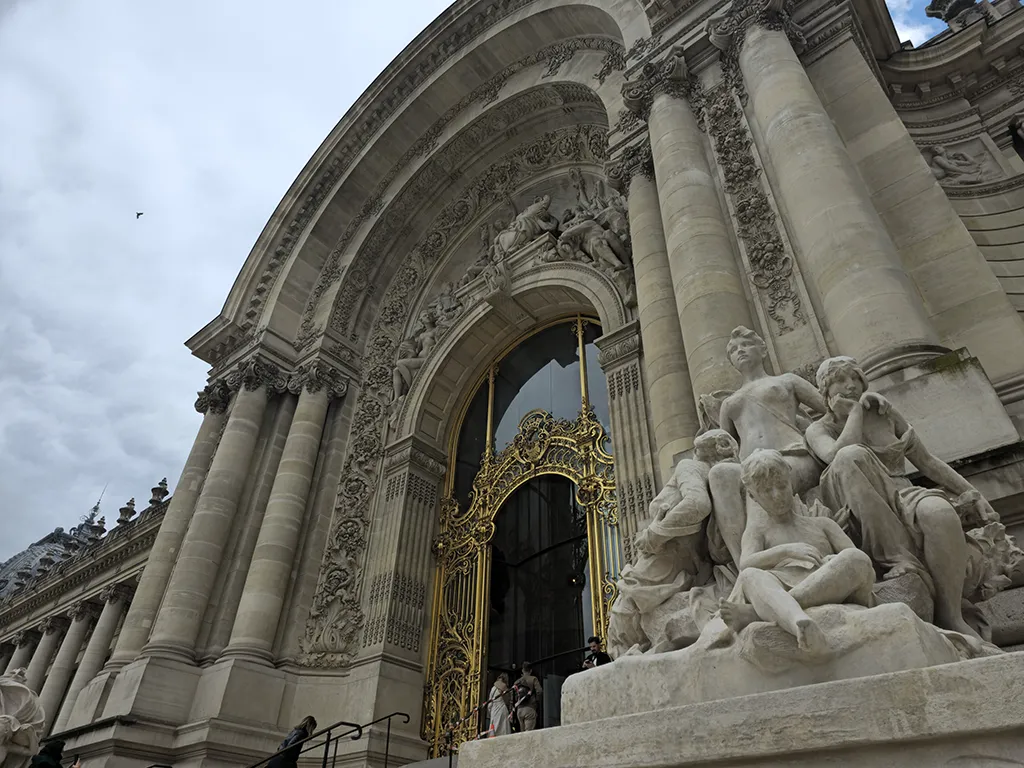
Hidden Paris Sites Worth Visiting in 2026
Some of the most sought-after addresses that traditionally open for Journées du Patrimoine include:
- Élysée Palace — the President’s official residence, usually requiring advance online registration.
- Hôtel de Matignon — the Prime Minister’s residence, with a 3-hectare garden, one of Paris’s largest private gardens.
- National Assembly (Palais Bourbon) — France’s lower house of parliament on the Left Bank.
- Cour des Comptes and the Banque de France — rarely-seen institutional interiors, including the Bank’s gilded Galerie Dorée.
- Hôtel de Charost — the British Ambassador’s residence, once owned by Napoleon’s sister Pauline Bonaparte.
- Institut de France — home to the Académie française, on the Quai de Conti.
- Backstage tours at the Opéra Garnier, and behind-the-scenes access at Galeries Lafayette Haussmann and La Samaritaine.
Smaller spots reward just as much: private hôtels particuliers in the Marais and Faubourg Saint-Germain, working convents, and lycées housed in former abbeys often open for just these two days a year.
Tips for Enjoying Journées du Patrimoine Calmly
The most famous sites — the Élysée Palace above all — draw queues of several hours, so plan around the crowds:
- Check journeesdupatrimoine.culture.gouv.fr a few days ahead — some sites (notably the Élysée) require advance online registration, not just showing up.
- Arrive at opening time, generally 9:30–10:00 a.m., for the busiest addresses.
- Wear comfortable shoes — visits mean stairs, cobblestones, and standing in line.
- Bring valid photo ID; several government and diplomatic buildings check identification at entry.
- Pick one or two flagship sites and fill the rest of the weekend with quieter, lesser-known addresses in your own neighborhood.
How to Plan Your Weekend
Start with the official programme at journeesdupatrimoine.culture.gouv.fr, listing every participating site in Paris and Île-de-France by arrondissement, hours, and whether booking is required. Since the event runs only Saturday and Sunday, most visitors pick one neighborhood — the 7th arrondissement for government buildings, the Marais for hôtels particuliers, Belleville for lesser-known local heritage — and explore it on foot. Admission is free everywhere, but the most popular addresses release timed tickets online in the preceding days, so check the programme as soon as it’s published, typically in early September.
🍂 Why It’s Special in Autumn
Held on the third weekend of September, Journées du Patrimoine lands as Paris shifts into autumn — golden light, cooler mornings, far fewer tourists than summer. It’s a quieter, more local moment: Parisians themselves queue patiently alongside visitors for a rare look inside buildings they pass every day but never enter. Combined with the changing colors in gardens like the Tuileries and the Jardin du Luxembourg, late September is one of the most atmospheric times to be in Paris — heritage weekend or not.